
Development of system-based indicators for measuring the efficiency of food supply chains: evidence from a systematic literature review and bibliometric analysis
Fikire А.Х.1  , Korchagina E.V.1,2
1 Санкт-Петербургский политехнический университет Петра Великого, Санкт-Петербург, Россия
2 Гатчинский государственный университет, Гатчина, Россия
Скачать PDF | Загрузок: 29
Статья в журнале
Лидерство и менеджмент (РИНЦ, ВАК)
опубликовать статью | оформить подписку
Том 13, Номер 9 (Сентябрь 2026)
Аннотация:
. Растущая неэффективность цепочек поставок продовольствия усугубляет проблему отсутствия продовольственной безопасности и уровень бедности во всем мире. Оценка эффективности таких цепочек требует системного подхода, выходящего за рамки одноэтапных и одномерных показателей. Цель данного исследования — разработать систему показателей для оценки эффективности цепочек поставок продовольствия. В работе использованы методы систематического обзора литературы и библиометрического анализа. Данные были получены из 54 рецензируемых статей, опубликованных в период с 2020 по 2025 год и индексируемых в базе данных Scopus. Библиометрический анализ проводился с помощью инструмента Biblioshiny, а показатели, выявленные в ходе систематического обзора литературы, были классифицированы. Установлено, что предыдущие исследования в основном опирались на концепцию устойчивого развития, что привело к фрагментарности показателей эффективности, не позволяющей в полной мере отразить взаимосвязанную природу систем цепочек поставок продовольствия. В ходе исследования также были определены двадцать три конкретных показателя, важных для оценки эффективности данных цепочек. В итоге разработанная система показателей была структурирована с учетом четырех этапов цепочки поставок и трех измерений эффективности. Данное исследование вносит вклад как в научные изыскания, так и в процесс принятия управленческих решений, предлагая системный подход, который рассматривает эффективность цепочек поставок продовольствия как измеримую многомерную категорию.
Ключевые слова: продовольственное снабжение; измерение эффективности; цепь поставок; разработка системы; библиометрический анализ; обзор литературы
JEL-классификация: Q13, L14, C83
Introduction
Achieving food security and developing a balanced food system is most important socio-economic objectives for any country across the globe [10]. The food system contributes approximately 10% to the world's gross domestic product (GDP). Reducing food loss and transportation costs, improving food quality and availability are crucial to enhancing the efficiency of the food supply chain.
Production is the process of changing input to output (cultivation and harvesting of food items). Processing includes manufacturing, washing, packaging and making ready to eat, while preserving is maintain the freshness during storage, and transportation. Distribution stage links production to the point of sale. In this stage the products transported from factories to the distributions centers, wholesalers and retailers. Consumer is the last stages of food supply chains, where the consumers interact with food products [3].
Lack of digital infrastructure and technology, labor shortages, natural disasters, geopolitical conflicts, delivery delays, food losses and waste, increased costs, and food spoilage make food supply chains less efficient [30]. Technological innovation, demographic changes, consumer preferences and economic development continuously influencing food supply chains [7].
Currently, improving the efficiency of food supply chains should be the primary agenda of any policymaker and practitioners. There are three ways in which this study contributes to the existing literature. First, in spite of extensive studies conducted on agri-food supply, beverage supply chains, food loss and solution [26, 30, 33], the measurement the efficiency across all food supply chains remains fragmented. Second, many performance indicators were developed to measure the sustainability of food supply [15] than measuring system based efficiency of food supply chain. Finally, the study fills the gaps by developing system based indicators that measure food supply chain efficiency across different the stages. This study identifies and classifies the socioeconomic and technological dimensions and established methodological foundation to measure the efficiency of food supply chains through systematic literature review and Bibliometric analysis. The purpose of this study is to fill the research gaps by answering the following research questions.
RQ1. What is conceptual, intellectual, and social structure of the field to develop system based indictors?
RQ2. What system indictors are the relevant for measuring the efficiency of food supply chain?
RQ3. What are stage specific indictors for measuring the efficiency of food supply chains?
RQ4. How the developed indictors integrated into framework with interdependence circles?
Policymakers, researchers, and stakeholders will practically benefit from this study in developing strategies to optimize the efficiency of food supply chain by minimize food loss, cost, time, and food delivery delay. This paper structured into five sections. The first section is introduction. The section two is highlighted literature review. The third section, materials and methods, highlights the overview of the methods used in the review process. The fourth section presents results and discussion. The fifth section is the conclusion of the article.
Materials and Methods
Systematic Literature Review
This study used a systematic literature review and Bibliometric analysis to identify system based indicators for measuring food supply chain efficiency from stage production to consumption. The data accessed from scopus database (https://www.scopus.com/home.uri?zone=header&origin=) accessed from 2020 to 2025. A PRISM (Preferred Reporting Items for Systematic Reviews and Meta-Analyses) guideline is common in systematic literature review (SLR) demonstrating transparency in the article selection process [28]. Therefore, this study also used PRISMA guideline to implement the article selection process has presented in figure 1. Moreover, article filtering procedures (exclusion and inclusion) criteria, and Bibliometric analytical procedure and SLR are presented in detail in table 2 and 3 respectively.
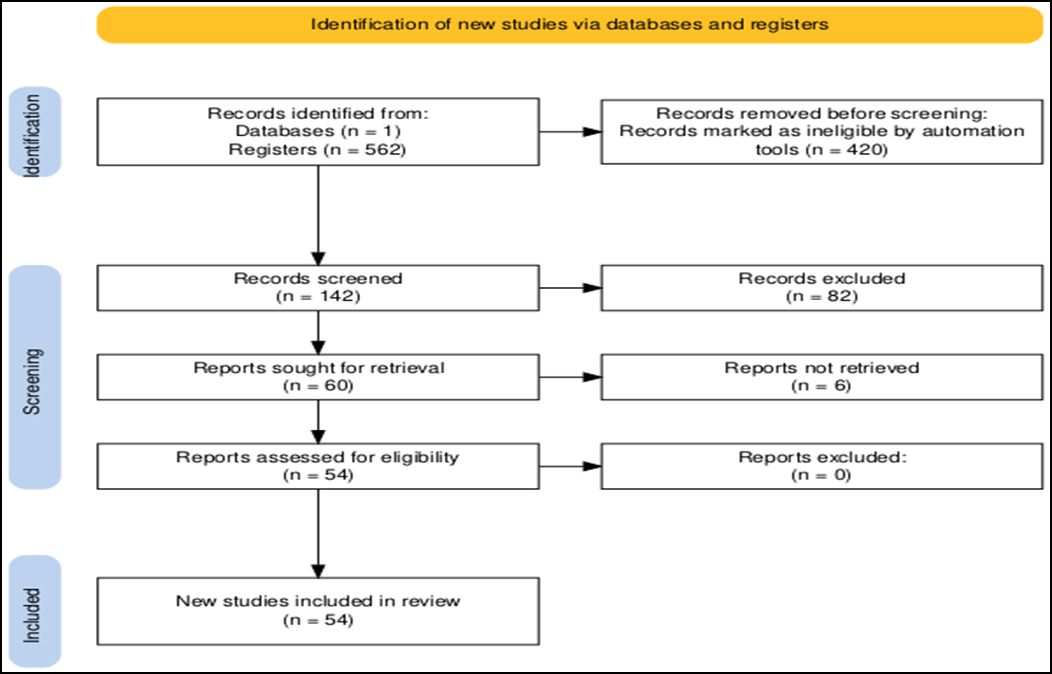
Figure 1: PRISMA flow diagram of the study selection process [13]
Table 2 presents the filtering criteria for how the peer-reviewed journal articles are included and excluded, and the final research articles incorporated into this study.
Table 2: article filtering criteria
|
Filtering criteria
|
Excluded
|
Included
|
|
Searching strategy: TITLE-ABS-KEY
( ( ( "food supply chain" OR "agri-food supply chain" OR
"agricultural supply chain" OR "food value chain" OR
"farm-to-fork" OR "food logistics" ) AND ( indicator* OR
metric* OR kpi OR "key performance indicator*" OR "performance
measure*" OR "performance metric*" OR benchmark* ) AND (
efficienc* OR performan* OR productivity OR "resource efficiency"
OR "operational efficiency" ) ) ) AND PUBYEAR > 2019 AND PUBYEAR
< 2026
|
|
|
|
Searching database: Scopus
|
|
|
|
Identified papers before applying excluding criteria
|
-
|
562
|
|
Data extracted period: 2020- 2025
|
205
|
357
|
|
Subject area: Social science; Business, management
and accounting; Economics, econometrics and finance
|
47
|
310
|
|
Document type : article
|
98
|
212
|
|
Publication stage : final
|
-
|
212
|
|
Source type: journal
|
-
|
212
|
|
Language :English
|
6
|
206
|
|
Access type: open access
|
142
|
64
|
|
Not open access, review paper and out of scope
|
88
|
54
|
Table 3 demonstrates the detailed procedures of how the Bibliometric and systematic literature review analyses were conducted and developed the system-based indicators measuring the efficiency of food supply chains.
Table 3: Bibliometric and SLR analytical procedure of the study
|
Key procedures
|
Explanations of the procedure
|
|
Data processing
|
Excel and biblioshiny
|
|
Bibliometric analysis
|
Annual production / Trend lines
|
|
The most productive authors of the study
| |
|
The country of the first author/ collaboration
| |
|
The leading journal document was published
| |
|
Keyword co-occurrence and clustering
| |
|
Interpretation
|
Classify the types of product
|
|
Identify the major themes of efficiency dimensions
| |
|
Stages of food supply chain
|
Classified based on the stages of food supply
efficiency passes from production to consumption
|
|
System indicator
|
Synthesis the efficiency specific indictors
|
|
Integrate the SLR with Bibliometric results for the
development of system indicators to measure efficiency of food supply chains
| |
|
Map the identified indictors into the system based
framework
|
Result and Discussion
Bibliometric analysis
The trends of annual publication
Figure 2 shows the trends of published journal articles in the subject area of the efficiency of food supply chains from 2020 to 2025. In 2020, only 5 articles were published, 4 articles in 2021, 10 in 2022, 5 in 2023, 13 in 2024, and 17 articles were published by 2025. This result indicates that measuring the efficiency of food supply chains has attracted the attention of many scholars and has become an emerging topic in recent years. According to [Bateni et al., 2025] in recent years the efficiency of food supply chain gained greater attention due to increasing the complexity of global food system.
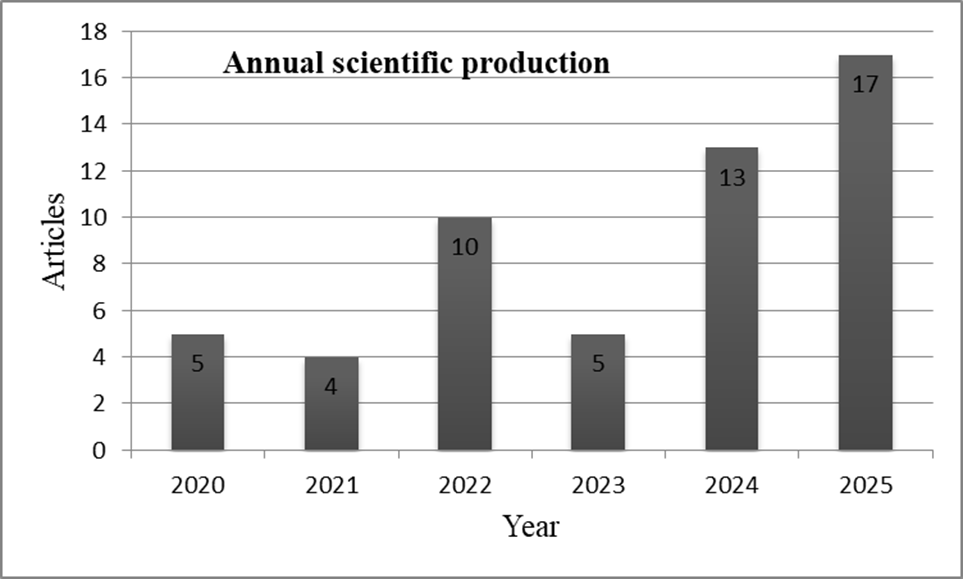
Figure 2: trends of annual published articles related to efficiency of food supply chains
Compiled by Authors
Most productive Authors
Figure 3 indicates the top 10 most productive authors in publishing research articles on the development of food supply chain indicators. Most of the authors published a maximum of two papers, such as Canato F., Chabouh S., Fekih A., Floris N., León‑Bravo V., Mami A., Matkovski B., Schwarcz P., Sidhom L., and Đokić D. Based on the current data, the maximum publication is two papers. This implies that research on systematic indicators for food supply chain efficiency is still fragmented and requires more investigation in this field.
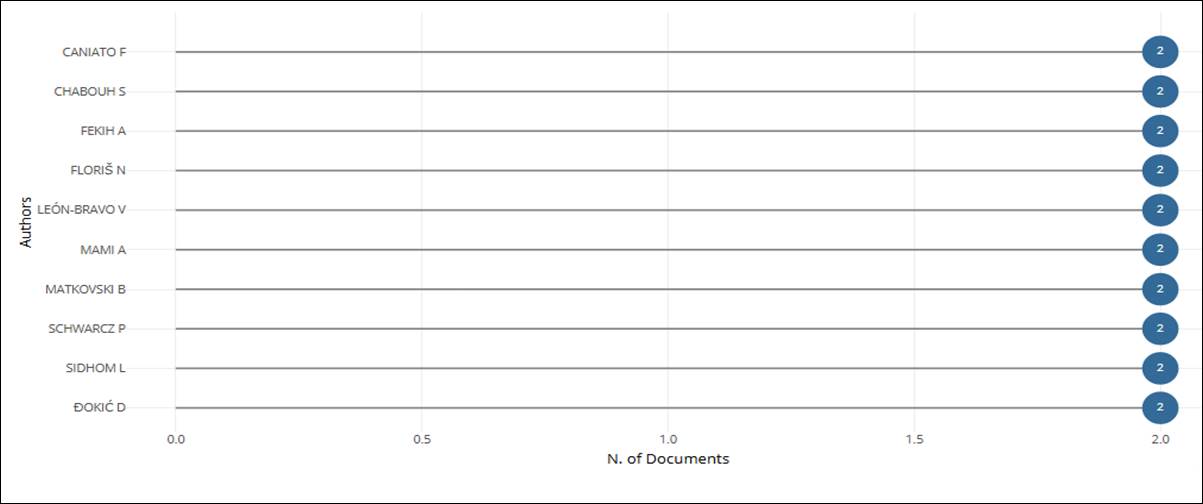
Figure 3: Most relevant authors publishing on system indictor for efficiency of food supply chains
Compiled by Authors
Country collaboration and geographic distribution
Figure 4 shows the distribution of corresponding authors by country and collaboration in the publication of journal articles on system-based indicators for the efficiency of food supply chains. Italy leads with eight publications, displaying weak collaboration and strong domestic research efforts. France and the United Kingdom follow with four publications each.
France is a highly collaborative country with low domestic research work, while the United Kingdom is characterized by low collaboration and strong domestic research contributions. Australia, Austria, Colombia, and Serbia contributed three publications, with Australia and Serbia showing high collaboration and weak domestic research work, but Colombia and Tunisia, with two publications, have no collaboration. Indonesia, Slovakia, and Turkey have equal collaboration and domestic research contributions. China, Iran, Korea, the Netherlands, Norway, Peru, and Poland each have one publication and strong collaboration, while Portugal, South Africa, Spain, Ukraine, the USA, Greece, and Brazil each contributed one publication with no collaboration. France, Australia, and Italy have strong multiple-country publications; this implies participation primarily through international partnerships.
The dominant conceptualization of system indicators is shared by the European Farm to Fork strategy and circular economic actions. There is underrepresentation of Asian countries, except Indonesia and China, and African countries, except Tunisia. This indicates systemic indicators not reflected in the reality of this context in developing countries of the food supply chain, including a fragmented cold chain, smallholder-dominated systems, and backward agrarian systems.
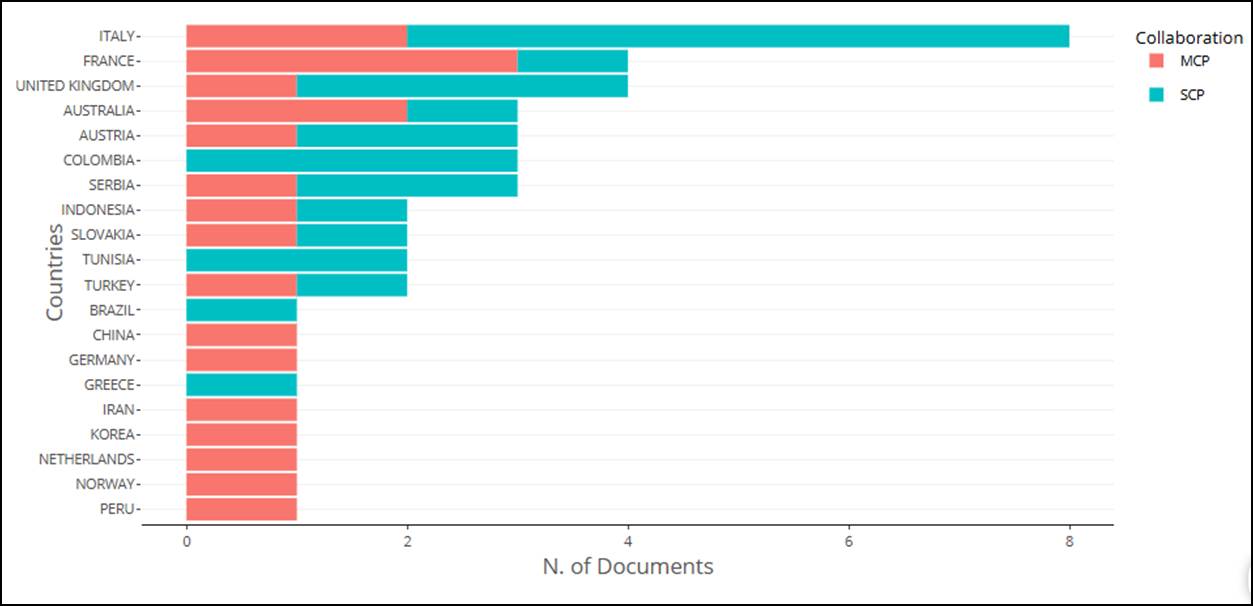
Figure 4: Country productivity and collaboration distribution of published articles based the corresponding author’s countries
Compiled by Authors
Leading sources
Figure 5 demonstrates the core sources in publishing on the system-based efficiency of food supply chains. Sustainability, logistics, cleaner environmental systems, the Journal of Cleaner Production, supply chain management, and sustainable production and consumption are the core journals that published efficiency and sustainability metrics. This result revealed that the system indicators are the integration of production efficiency, operational efficiency, and environmental sustainability.
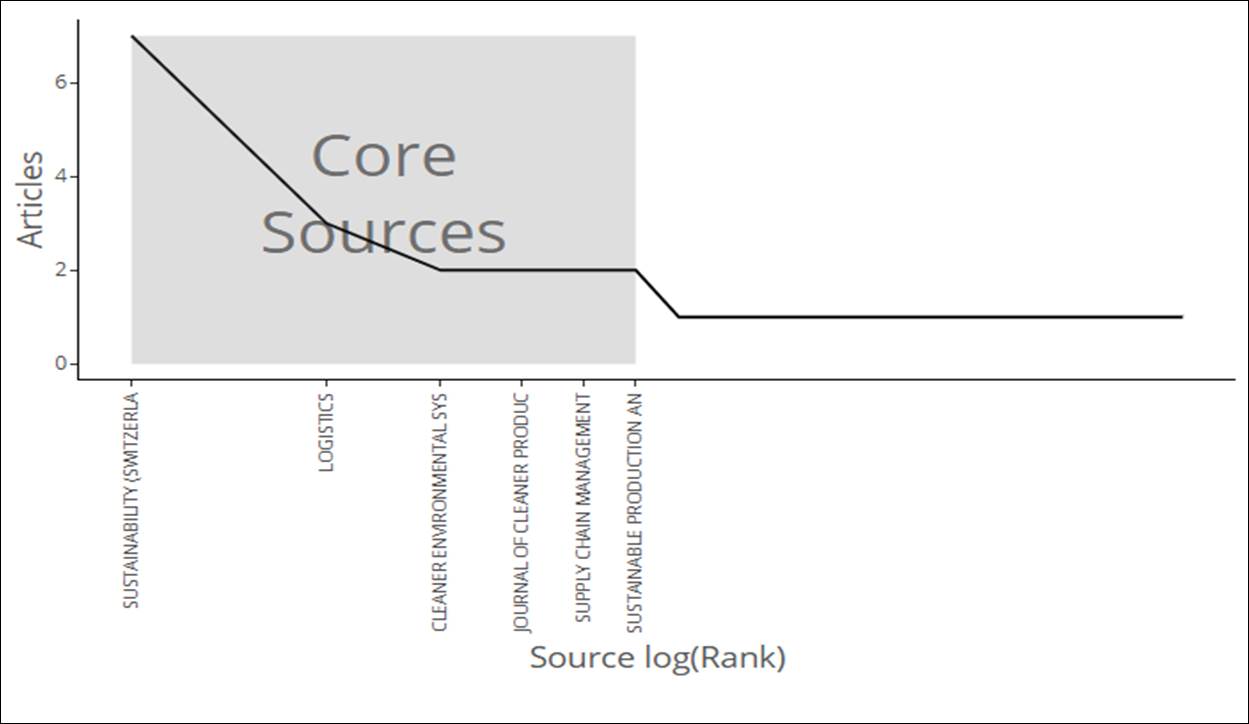
Figure 5: The most productive journals in publishing system based indictor for measuring food supply chain efficiency
Compiled by Authors
Keyword co-occurrence analysis
Figure 6 presents the co-occurrence of keywords built by setting a minimum occurrence of keywords of four connections between terms. The result confirms that the most repeated topics in the sample of papers reviewed are sustainability with 19 occurrences, food supply chain with 17 occurrences, food supply with 15 occurrences, supply chain management with 13 occurrences, supply chains with 9 occurrences, sustainable development with 9 occurrences, environmental impact with 5 occurrences, and agri-food supply chain, agri-food supply chains, and decision making with 4 occurrences each.
The efficiency doesn't occur among the top ten keywords. This implies that researchers are publishing under the cover of sustainability without explicitly anchoring their work in efficiency measurement. This gives efficiency is an implicit assumption rather than a system property. According to [9], majority of the studies have prioritized examining the sustainability of food supply chain over efficiency of food supply chain. Moreover, social sustainability, equity, labor, and smallholder are also absent from the top ten co-occurring keywords. Consequently sociability is not visible.
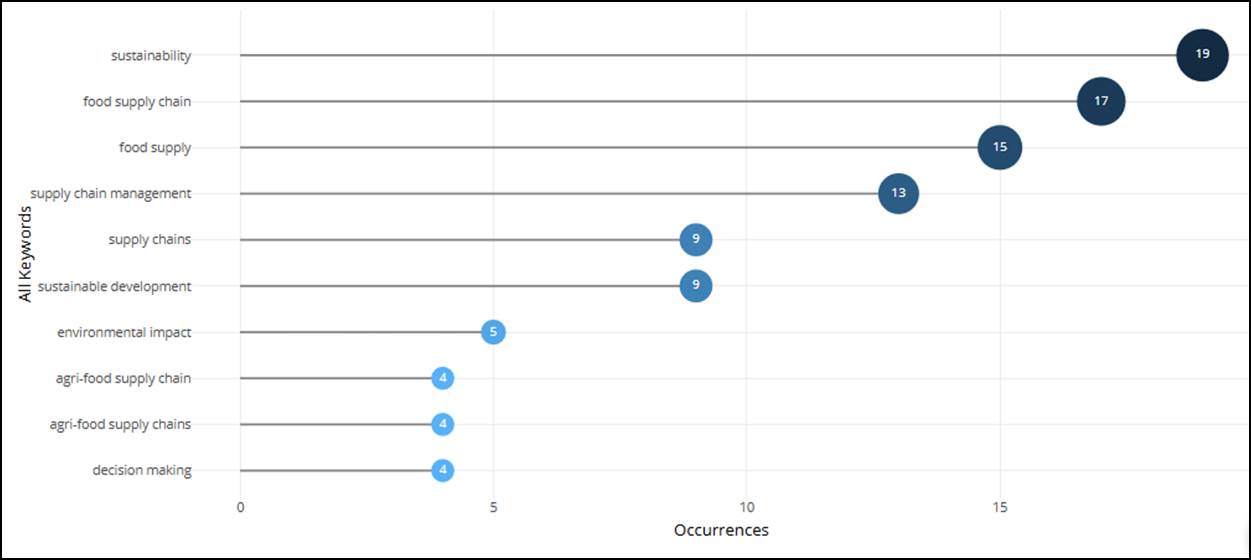
Figure 6: Co-occurrence keywords in the reviewed papers
Compiled by Authors
Content Analysis
Main product types
Figure 7 shows the main types of products. The data described that out of 54 studies 20(37 %) papers studied on food product type, 19(35%) agri-food , Fruit 7(13%), 2(3%) of the papers were studied on dairy product, while other contributed 1 (2%) each on fresh food, fruits and vegetables, grain, perishable food, poultry, and biscuits, cakes, chocolates and ice creams. Based on the result, most of the studies conducted on the general food product, and agri-food product.
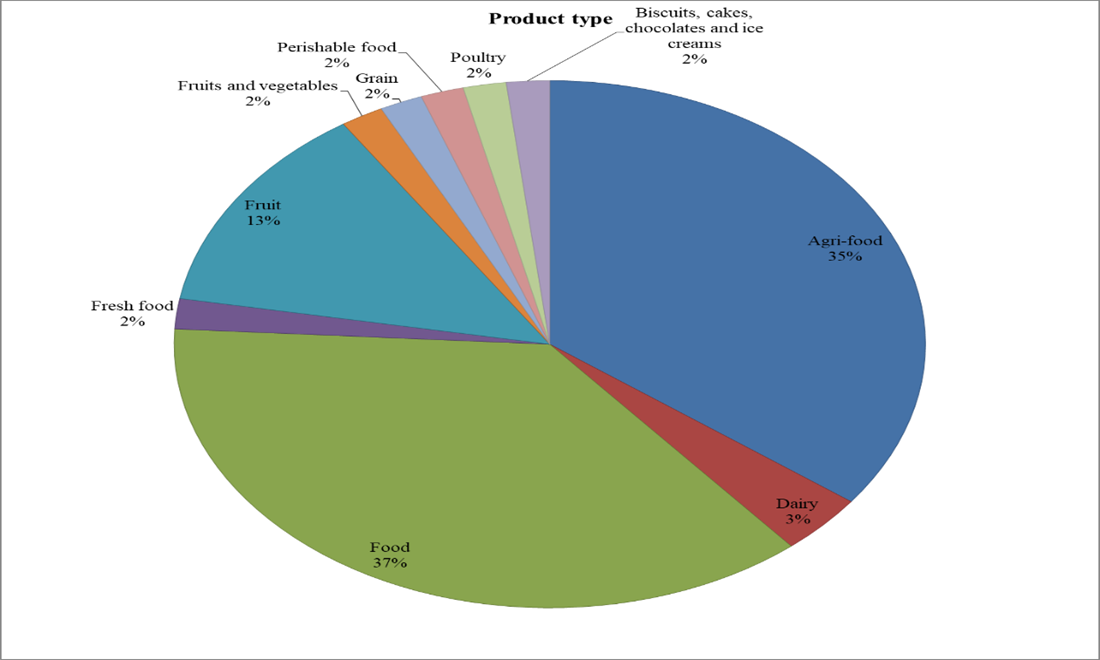
Figure 7: the classification of food supply chain based on product type
Compiled by Authors
Figure 8 describe the dimension of indictors used in the previous study. The result revealed that 26% (14) of the papers measures economic dimension, 22% (12) of the combination of economic, social and environmental dimension, 20 %( 11) environmental dimension, 15 % (8) environmental and economic, the combination of economic, 9% (5) economic, environmental, social and technological dimension, 2% environmental and social,2% economic and resilience, 2% social only and 2% not specified. Therefore, most of the study invest aged economic dimension, followed by economic, environmental and social dimensional indictors that invest ages food supply chain.
Dimension of food supply chain
Figure 9 shows the dimension of food supply chain efficiency. As result out of the total 54 peer-reviewed articles, 14(26%) focused only Economic dimension, 12(22%) Economic, Environmental and Social, 8(15%) Environmental and Economic, 11(20%) Environmental, 5(9%) Economic, Environmental, Social and Technology, and others such as Economic and Resilience, Environmental and Social, Social and not specified each contributed one (2%) publication. Based on the result, majority of the studies were focused only the economic dimension and followed by Economic, Environmental and Social. However limited emphasis has given the technological dimension.
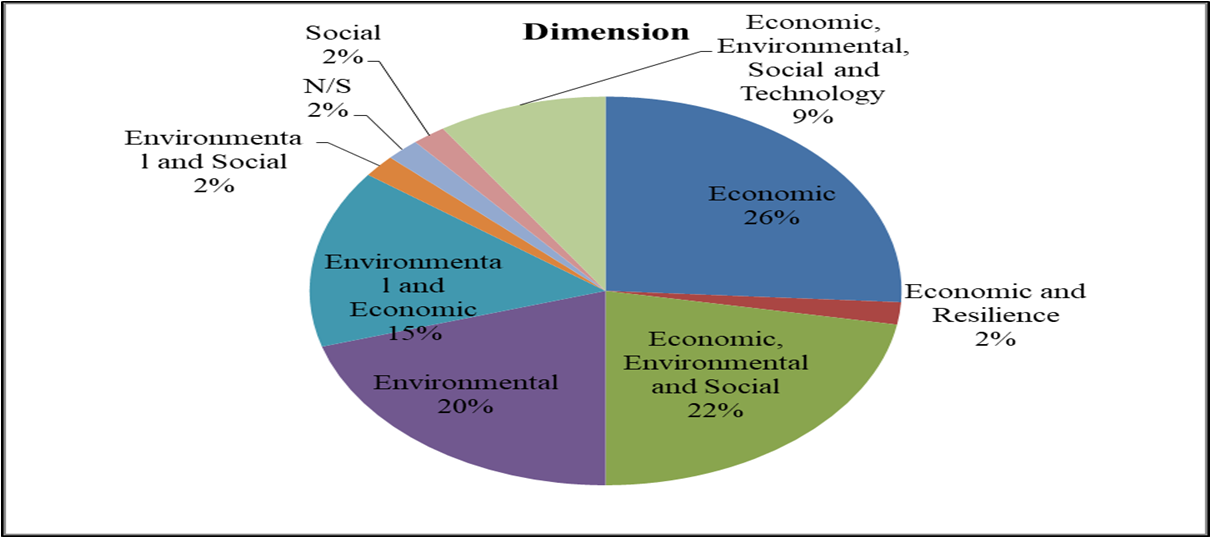
Figure 8: Dimension of food supply chain efficiency
Compiled by Authors
Stages of food supply chain
The classification of food supply chain stages is presented in figure 9. The result revealed that out of 54 papers 39% of the papers focused on production to consumption stages of food supply, followed by 24% of the publication focused on production stage, 19% production to distribution, and 18% distribution. The study found that the majority of the published papers addressed all stages of food supply chains.
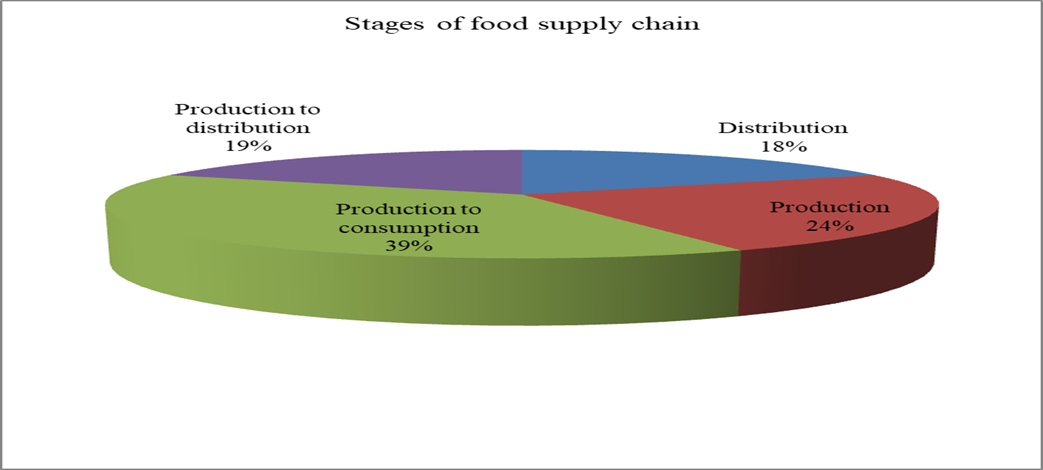
Figure 9: Stages of food supply chain
Compiled by Authors
Efficiency specific indictor’s synthesis
Based on the analysis from the systematic literature review, this study introduces a system-based set of indicators to measure the efficiency of the food supply chain. Table 3 presents the 23 identified indicators used to assess the efficiency of the food supply chain. After identifying these system-based indicators, they were categorized into three main groups: economic, social, and technological. Additionally, stage-specific efficiency indicators were identified for each stages of food supply chain from production to consumption. This study addressed a gap by integrating the economic, social, and technological dimensions into a unified causal framework.
According to the study's objective, indicators were selected from the literature across the economic, social, and technological categories. The study identified food loss percentage [32], inventory turnover [11],food loss at harvesting and processing [27], energy efficiency [17], return on asset [4], total factor productivity [8], smallholder income per ton, transport cost per km, total production cost, labor availability, lead time, food quality, shelf life, wastage, and throughput [22], digital adoption rate [37], traceability completeness, inventory level, lead times, operational cost, and food safety [34], Nutritional cost footprint [31], transportation cost, profit of commodity, quantity of commodity, capacity of truck, and demand of consumer [36], cargo turnover, capital invests costs, taxes and borrow capital expenses [16], compliance rate, purchased item cost, yield rate, order fulfillment cycle time, schedule adherence, production cost, raw material utilization, asset downtime, delivery accuracy, location accuracy, loading time, delivery cycle time, transportation cost, return rate, and return processing time [23].
Table 3: Identified system based indictors for measuring the efficiency of food supply chain
|
Indictor
ID
|
Indictor
name and unit of measurement
|
Dimension
|
FSC
stage
|
|
E1
|
Circularity
index (0-1)
|
Economic
|
Production
to consumption
|
|
E2
|
Farm
income per hectare ($/ha)
|
Economic
|
Production
|
|
E3
|
Cumulative
food distributed (kg or metric tonnes)
|
Economic
|
Production
to consumption
|
|
E4
|
Technical
efficiency score
|
Economic
|
Production
|
|
E5
|
Total
factor productivity index
|
Economic
|
Production
|
|
E6
|
Inventory
turnover ratio
|
Economic
|
Production
|
|
E7
|
Agricultural
output per hectare
|
Economic
|
Production
|
|
E8
|
Water
use per unit of agricultural output
|
Economic
|
Production
|
|
E9
|
Agility
and recovery time (days or hours)
|
Economic
|
Production
to consumption
|
|
E10
|
Logistics
cost ($/ton per km)
|
Economic
|
Distribution
|
|
E11
|
Load
utilization (%)
|
Economic
|
Distribution
|
|
E12
|
Food
loss and waste (Kg)
|
Economic
|
Production
to consumption
|
|
E13
|
Logistic
performance index(scale 1-5)
|
Economic
|
Distribution
|
|
S1
|
Social
return on investment (ratio)
|
Social
|
Production
to consumption
|
|
S2
|
Nutritional
cost footprint ($/1000kcal)
|
Social
|
Consumption
|
|
S3
|
Shelf
life utilization %
|
Social
|
Consumption
|
|
S4
|
Lead
time in days
|
Social
|
Distribution
|
|
S5
|
Throughput
(tonnes per day or hour)
|
Social
|
Distribution
|
|
T1
|
Digital
twin %
|
Technology
|
Production
|
|
T2
|
Traceability
completeness %
|
Technology
|
Production
to consumption
|
|
T3
|
Data
driven forecasting accuracy %
|
Technology
|
Production
to consumption
|
|
T4
|
Cold
chain reliability (%)
|
Technology
|
Distribution
|
|
T5
|
Energy
efficiency (Kwh/ton)
|
Technology
|
Processing
|
The System based framework mapped from the identified indictors
Figure 10 shows the system-based framework developed from identified efficiency indicators. The developed conceptual framework consists of interconnected production, processing, distribution, and consumption stages of food supply chains. These stages are supported by key resources, which collectively influence supply chain efficiency.
This study identified economic, social, and technological dimensions. The economic dimension includes thirteen indicators that assess resource utilization, productivity, logistics performance, resilience, and waste reduction across the supply chains. The main economic indicators are the dominant ones in the reviewed literature. This implies maximizing output while minimizing resource consumption and operational costs. The social indicators consider food supply efficiency assessed by food accessibility, nutritional quality, and service effectiveness. The technological dimension incorporates digital twins and traceability completeness, data-driven forecasting accuracy, cold-chain reliability, and energy efficiency. The information and feedback flows facilitate coordination among actors [24]. Accordingly, the improvements in economic, social, and technological dimensions contribute to desirable food supply outcomes.
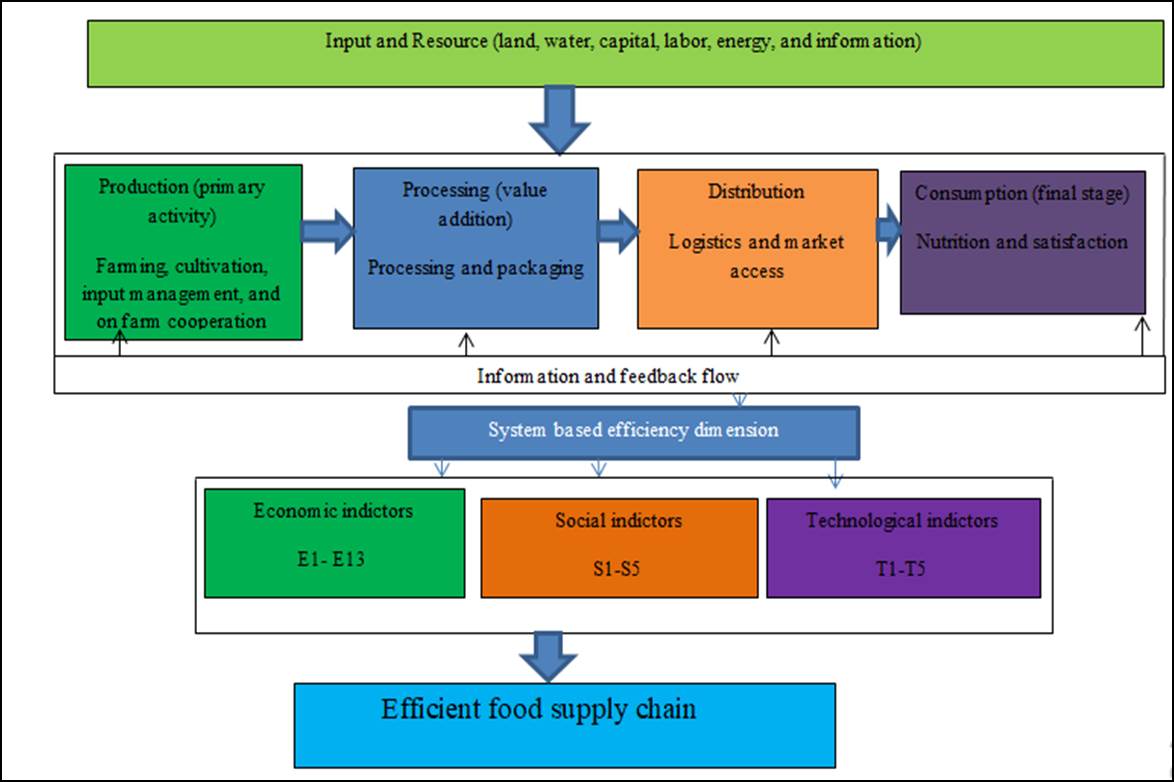
Figure 10: Presents the system-based framework for developing indicators to measure food supply chain efficiency
Compiled by Authors
Theoretical and practical implications
This study provides a theoretical contribution to the existing literature on the development of system-based measurement of indicators of food supply chain efficiency. A significant portion of a research concentrated on sustainability of food supply chain, which incorporated economic, social and environmental performance dimensions by integrating entire food supply chain network [21]. The result indicates that the identified system indictors incorporated into environmental, social, economic dimensions with a focus on the distribution and retail stages [18].
Another study concentrated on the concept of food losses and waste prevention and measuring. They focused on infrastructure, available knowledge and socio-economic conditions. they identified that food waste occurred in agricultural production, post-harvest and distribution stage in emerging countries, while food waste is more common at consumption stage in advanced countries [6]. This study combined a systematic literature review with bibliometric analysis, using a comprehensive approach to map the intellectual and conceptual structure of the field. The keywords co-occurrence analysis efficiency is absent from the front of the cluster. The researchers connected efficiency covered with sustainability or performance without explicitly naming it. The developed framework has explicitly explained the efficiency of food supply chain.
The geographical analysis, Europe (Italy, France and United Kingdom) has high publication status, while developing countries has limited contribution. This implies a contextual bias in existing system indicators are guided by European regulatory frameworks (e.g., Farm to Fork, circular economy targets) and may not generalize to food supply chains in low‑income or informal economies. Theoretically, this calls for a contingency approach to system indicators one where the framework is modular, allowing adaptation to different institutional and infrastructural contexts. The developed framework offers a starting point for such contingency theory development.
Practical implications
The finding of this study has practical implications over theoretical contributions. The developed indictors are important to measure the efficiency of food supply chain. The managers can be mapping the limited technological indictors and social indictors to measure the efficiency of food supply chains. The firms draw the framework for a single product before scaling the entire portfolio. For the policy makers, geographic concentration of research in Europe suggests that global supply chains need region‑specific adaptations; policymakers in Asia, Africa, and Latin America should fund context‑specific validation studies of our framework.
Research gap, limitation and future direction
The existing definitions of efficiency food supply chain didn’t focus on specific dimensions. However, these studies incorporate the systematic stages of food supply chains, while integrating economic, social, and technological dimensions. This huge conceptualization provides the foundation for developing a comprehensive system-based of efficiency food supply chain.
This study is limited to Bibliometric and systematic literature review analysis rather than including primary data. The reviewed literature predominantly focused on identifying the system based indictors to measure the efficiency of food supply chain, but the identified the indictors wasn't empirically tested. Therefore, future studies should empirically test the identified indictors of efficiency of food supply chain in developing countries, specifically in Africa. Empirical research is needed to quantify the magnitude of efficiency of food supply chains using econometrics model.
Conclusions
The efficiency of food supply chains is increasingly challenged by climate change, geopolitical instability, inadequate infrastructure, and weak institutional systems. Developing a system-based approach to improving food supply chain efficiency can contribute significantly to addressing food insecurity and reducing poverty. Therefore, this aims to develop system based indicators for measuring the efficiency of food supply chains evidence from a systematic literature review and Bibliometric analysis. The study employed both a systematic literature review and Bibliometric analysis. The review was conducted using 54 peer-reviewed articles retrieved from the Scopus database and published between 2020 and 2025. The study revealed that the concept of efficiency of food supply chain has greater attention in recent years. Italy has strong domestic research efforts, while France has a high collaborative country in subject area of the efficiency food supply chains. The journal of sustainability is the major source of publishing on the efficiency of supply chains. From the keywords co-occurrence perspective, sustainability is the most frequent topic. Most of the studies are conducted on food type of product followed by agri-food supply chain. The economic dimension was the most frequently examined aspect of food supply chain efficiency, followed by studies that integrated economic, social, and environmental dimensions. The reviewed studies covered the entire food supply chain, ranging from production to consumption stages. The efficiency of food supply chain is framed by the sustainability term; systemic based indictors were extracted from literature and organized in system based framework are relevant to measure the efficiency of food supply chain. The study identified 23 indicators, which were classified into three efficiency dimensions and mapped across different stages of the food supply chain. These indicators were subsequently integrated into a double-circle model to develop a system-based framework applicable to a wide range of food products. By explicitly integrating social and technological indicators alongside economic metrics, the proposed framework provides a comprehensive and holistic approach to assessing and enhancing the efficiency of food supply chain.
Источники:
2. Bateni F., Sharifi E., Amin S.H., Fang L. Sustainable food supply chain network design and optimization: A systematic literature review // Journal of Data, Information and Management. – 2025. – № 4. – p. 345-372. – doi: 10.1007/s42488-025-00156-1.
3. Beccard D. A Brief Guide to the Food Supply Chain. FoodReady AI. [Электронный ресурс]. URL: https://foodready.ai/blog/food-supply-chain-guide/ (дата обращения: 24.10.2025).
4. Chiaverina P., Drogué S., Jacquet F., Lev L., King R. Does short food supply chain participation improve farm economic performance? A meta-analysis // Agricultural Economics. – 2023. – № 3. – p. 400-413. – doi: 10.1111/agec.12764.
5. Doernberg A., Piorr A., Zasada I., Wascher D., Schmutz U. Sustainability assessment of short food supply chains (SFSC): developing and testing a rapid assessment tool in one African and three European city regions // Agriculture and Human Values. – 2022. – № 3. – p. 885-904. – doi: 10.1007/s10460-021-10288-w.
6. Economou F., Chatziparaskeva G., Papamichael I., Loizia P., Voukkali I., Navarro-Pedreño J., Klontza E., Lekkas D.F., Naddeo V., Zorpas A.A. The concept of food waste and food loss prevention and measuring tools // Waste Management and Research. – 2024. – № 8. – doi: 10.1177/0734242x241237187.
7. Food supply chains: the ongoing state of transformation. FAO.org. [Электронный ресурс]. URL: https://www.fao/3/cd2616en/online/state-of-food-and-agriculture-2024/food-supply-chains-transformation.html (дата обращения: 24.10.2025).
8. Fekih A., Chabouh S., Sidhom L., Mami A. Sustainability Assessment Approach Based on Total Factor Productivity Index: Application to Tunisian Policymakers in Agri-Food Supply Chain Context // Agriculture. – 2025. – № 22. – p. 2313. – doi: 10.3390/agriculture15222313.
9. Fikire A.H., Korchagina E.V. Efficiency and Sustainability in Food Supply Chains: A Systematic Analysis // Scientifica. – 2026. – № 1. – p. 3677216. – doi: 10.1155/sci5/3677216.
10. Fikire A.H., Korchagina E.V. Efficiency and sustainability in food supply chains: a systematic analysis of scientific literature // News of the Kabardino-Balkarian Scientific Center of RAS. – 2025. – № 5. – p. 234-249. – doi: 10.35330/1991-6639-2025-27-5-234-249.
11. Giedelmann-L N., Guerrero W.J., Solano-Charris E.L. System dynamics approach for food inventory policy assessment in a humanitarian supply chain // International Journal of Disaster Risk Reduction. – 2022. – p. 103286. – doi: 10.1016/j.ijdrr.2022.103286.
12. Guidani B., Ronzoni M., Accorsi R. Virtual agri-food supply chains: A holistic digital twin for sustainable food ecosystem design, control and transparency // Sustainable Production and Consumption. – 2024. – p. 161-179. – doi: 10.1016/j.spc.2024.01.016.
13. Haddaway N.R., Page M.J., Pritchard Ch.C., McGuinness L.A. PRISMA2020 : An R package and Shiny app for producing PRISMA 2020‐compliant flow diagrams, with interactivity for optimised digital transparency and Open Synthesis // Campbell Systematic Reviews. – 2022. – № 2. – doi: 10.1002/cl2.1230.
14. Hoang V. Modern short food supply chain, good agricultural practices, and sustainability: A conceptual framework and case study in Vietnam // Agronomy. – 2021. – № 12. – p. 2408. – doi: 10.3390/agronomy11122408.
15. Kumar A., Shrivastav S.K., Shrivastava A.K., Panigrahi R.R., Mardani A., Cavallaro F. Sustainable Supply Chain Management, Performance Measurement, and Management: A Review // Sustainability. – 2023. – № 6. – p. 5290. – doi: 10.3390/su15065290.
16. KUSH Y., TONKOSHKUR M., VAKULENKO K., RYABEV A., DAVIDICH N., GALKIN A. The efficiency of food supply chain engineering (case study in Ukraine) // Archives of Transport. – 2020. – № 3. – p. 51-71. – doi: 10.5604/01.3001.0014.4222.
17. Kwok Hung Lau ORCID logo, Muhammad Dan-Asabe Abdulrahman ORCID logo, Prem Chhetri, Delwar Akbar A DEA-based evaluation of upstream food supply chain efficiency: evidence from Australian banana farms // International Journal of Logistics Management. – 2025. – № 3. – p. 696–729. – doi: 10.1108/IJLM-02-2025-0108.
18. León-Bravo V., Caniato F. Sustainability performance measurement in the food supply chain: Trade-offs, institutional pressures, and contextual factors // European Management Journal. – 2023. – № 4. – doi: 10.1016/j.emj.2023.04.004.
19. Loiseau E., Colin M., Alaphilippe A., Coste G., Roux Ph. To what extent are short food supply chains (SFSCs) environmentally friendly? Application to French apple distribution using Life Cycle Assessment // Journal of Cleaner Production. – 2020. – p. 124166. – doi: 10.1016/j.jclepro.2020.124166.
20. Majewski E., Komerska A., Kwiatkowski J., Malak-Rawlikowska A., Wąs A., Sulewski P., Gołaś M., Pogodzińska K., Lecoeur J.L., Tocco B., Török Á., Donati M., Vittersø G. Are short food supply chains more environmentally sustainable than long chains? a life cycle assessment (LCA) of the eco-efficiency of food chains in selected EU countries // Energies. – 2020. – № 18. – p. 4853. – doi: 10.3390/en13184853.
21. Mastos T., Gotzamani K., Kafetzopoulos D. Development and Validation of a Measurement Instrument for Sustainability in Food Supply Chains // Sustainability. – 2022. – № 9. – p. 5203. – doi: 10.3390/su14095203.
22. Medici M., Canavari M., Castellini A. An analytical framework to measure the social return of community-supported agriculture // Agroecology and Sustainable Food Systems. – 2023. – № 9. – p. 1319-1340. – doi: 10.1080/21683565.2023.2236989.
23. Mulyadi F., Purnama S.M., Muhammad D.H., Jaitiang D., Onitsuka K., Inggrida J.A., Andriani D.R., Purwanto E., Supriyadi S., Islamy R.A. Assessing Supply Chain Efficiency and Sustainability in Public Food Logistics Using the SCOR Model: Evidence from Perum BULOG Kediri, Indonesia // International Journal of Sustainable Development. – 2025. – № 10. – doi: 10.18280/ijsdp.201010.
24. Norkin S., Johnsen Å., Byström K. The role of information flows in trust-based management // International Journal of Public Sector Management. – 2024. – № 4. – doi: 10.1108/ijpsm-03-2024-0087.
25. Oyedijo A., Kusi-Sarpong S., Mubarik M.Sh., Khan Sh.A., Utulu K. Multi-tier sustainable supply chain management: a case study of a global food retailer // Supply Chain Management. – 2024. – № 1. – p. 68-97. – doi: 10.1108/scm-05-2022-0205.
26. Raimbekov Zh., Syzdykbayeva B., Rakhmetulina A., Rakhmetulina Zh., Abylaikhanova T., Ordabayeva M., Doltes L. The Impact of Agri-Food Supply Channels on the Efficiency and Links in Supply Chains // Economies. – 2023. – № 8. – p. 206. – doi: 10.3390/economies11080206.
27. Remijnse M., Rohmer S.U.K., Marandi A., Van Woensel T. Optimising agri-food supply chains: Managing food waste through harvest and side-stream valorisation // Journal of Cleaner Production. – 2025. – p. 145349. – doi: 10.1016/j.jclepro.2025.145349.
28. Sohrabi C., Franchi T., Mathew G., Kerwan A., Nicola M., Griffin M., Agha M., Agha R. PRISMA 2020 statement: What’s new and the importance of reporting guidelines // International Journal of Surgery. – 2021. – p. 105918. – doi: 10.1016/j.ijsu.2021.105918.
29. Stranieri S., Riccardi F., Meuwissen M.P.M., Soregaroli C. Exploring the impact of Blockchain on the performance of agri-food supply chains // Food Control. – 2021. – p. 107495. – doi: 10.1016/j.foodcont.2020.107495.
30. Stefan Ugrinov, Dragan Živko Ćoćkalo, Edit Terek , Sanja Stanisavljev, Verica Gluvakov, Mihalj Bakator Enhancing Efficiency in Food and Beverage Supply Chains // Engineering Proceedings. – 2024. – p. 2. – doi: 10.3390/engproc2024079002.
31. Vázquez-rowe Ia., Laso Ja., Margallo M., Garcia-herrero I., Hoehn D., Amo-setién F., Bala A., Abajas R., Sarabia C., Durá M.J., Fullana-i-palmer P., Aldaco R. Food loss and waste metrics: a proposed nutritional cost footprint linking linear programming and life cycle assessment // International Journal of Life Cycle Assessment. – 2020. – № 7. – p. 1197-1209. – doi: 10.1007/s11367-019-01655-1.
32. Veloso V., Santos A., Carvalho A., Barbosa-Póvoa A. A comprehensive framework for assessing circular economy strategies in agri-food supply chains // Environment, Development and Sustainability. – 2025. – doi: 10.1007/s10668-024-05755-3.
33. Monika Verma, Christine Plaisier, Coen P.A. van Wagenberg, Thom Achterbosch A Systems Approach to Food Loss and Solutions: Understanding Practices, Causes, and Indicators // Sustainability. – 2019. – № 3. – p. 579. – doi: 10.3390/SU11030579.
34. Vu N., Ghadge A., Bourlakis M. The impact of Blockchain adoption on supply chain performance: evidence from food industry // International Journal of Production Research. – 2025. – № 14. – p. 5402-5427. – doi: 10.1080/00207543.2024.2414375.
35. Wang M., Zhang Y., Tian Yu., Zhang K. An integrated rough-fuzzy WINGS-ISM method with an application in ASSCM // Expert Systems with Applications. – 2023. – p. 118843. – doi: 10.1016/j.eswa.2022.118843.
36. Zehtabian Sh. A fair multi-commodity two-echelon distribution problem // EURO Journal on Transportation and Logistics. – 2024. – p. 100126. – doi: 10.1016/j.ejtl.2024.100126.
37. Zorić N., Marić R., Đurković-Marić T., Vukmirović G. The Importance of Digitalization for the Sustainability of the Food Supply Chain // Sustainability. – 2023. – № 4. – p. 3462. – doi: 10.3390/su15043462.
Страница обновлена: 17.10.2026 в 20:13:36
Download PDF | Downloads: 29
Development of system based indicators for measuring the efficiency of food supply chains: evidence from a systematic literature review and bibliometric analysis
Fikire A.H., Korchagina E.V.Journal paper
Leadership and Management
Volume 13, Number 9 (September 2026)
Abstract:
The growing prevalence of food supply chain inefficiencies has intensified food insecurity and poverty status overall the world. Measuring food supply chain efficiency requires a systematic approach that goes beyond single-stage and single-dimensional metrics. This study aims to develop system indictors’ for measuring efficiency food supply chains. Systematic literature review and Bibliometric analysis were employed. The data were retrieved from 54 peer-reviewed articles published between 2020 and 2025 in Scopus database. Bibliometric analyses were performed by using biblioshiny and systematic literature review were extracted indictors classified. The study found that the previous studies have largely been framed within sustainability discourses, resulting in fragmented efficiency indicators that fail to capture the interconnected nature of food supply chain systems. This study also identified twenty-three distinct efficiency-based indicators that are important for measuring the efficiency of the food supply chains. At the end, the system based efficiency indictors were organized across four supply chain stages and three efficiency dimensions. This study contributes to both academic research and policymaking by developing a system-based framework that conceptualizes food supply chain efficiency as a measurable multidimensional construct.
Keywords: food supply; efficiency measurement; supply chain; system development; Bibliometric analysis; literature review
JEL-classification: Q13, L14, C83
References:
Ada N. (2022). Sustainable Supplier Selection in Agri-Food Supply Chain Management International Journal of Mathematical, Engineering and Management Sciences. 7 (1). 115-130. doi: 10.33889/IJMEMS.2022.7.1.008.
Bateni F., Sharifi E., Amin S.H., Fang L. (2025). Sustainable food supply chain network design and optimization: A systematic literature review Journal of Data, Information and Management. 7 (4). 345-372. doi: 10.1007/s42488-025-00156-1.
Beccard D. A Brief Guide to the Food Supply ChainFoodReady AI. Retrieved October 24, 2025, from https://foodready.ai/blog/food-supply-chain-guide/
Chiaverina P., Drogué S., Jacquet F., Lev L., King R. (2023). Does short food supply chain participation improve farm economic performance? A meta-analysis Agricultural Economics. 54 (3). 400-413. doi: 10.1111/agec.12764.
Doernberg A., Piorr A., Zasada I., Wascher D., Schmutz U. (2022). Sustainability assessment of short food supply chains (SFSC): developing and testing a rapid assessment tool in one African and three European city regions Agriculture and Human Values. 39 (3). 885-904. doi: 10.1007/s10460-021-10288-w.
Economou F., Chatziparaskeva G., Papamichael I., Loizia P., Voukkali I., Navarro-Pedreño J., Klontza E., Lekkas D.F., Naddeo V., Zorpas A.A. (2024). The concept of food waste and food loss prevention and measuring tools Waste Management and Research. (8). doi: 10.1177/0734242x241237187.
Fekih A., Chabouh S., Sidhom L., Mami A. (2025). Sustainability Assessment Approach Based on Total Factor Productivity Index: Application to Tunisian Policymakers in Agri-Food Supply Chain Context Agriculture. 15 (22). 2313. doi: 10.3390/agriculture15222313.
Fikire A.H., Korchagina E.V. (2025). Efficiency and sustainability in food supply chains: a systematic analysis of scientific literature News of the Kabardino-Balkarian Scientific Center of RAS. 27 (5). 234-249. doi: 10.35330/1991-6639-2025-27-5-234-249.
Fikire A.H., Korchagina E.V. (2026). Efficiency and Sustainability in Food Supply Chains: A Systematic Analysis Scientifica. 2026 (1). 3677216. doi: 10.1155/sci5/3677216.
Food supply chains: the ongoing state of transformationFAO.org. Retrieved October 24, 2025, from https://www.fao/3/cd2616en/online/state-of-food-and-agriculture-2024/food-supply-chains-transformation.html
Giedelmann-L N., Guerrero W.J., Solano-Charris E.L. (2022). System dynamics approach for food inventory policy assessment in a humanitarian supply chain International Journal of Disaster Risk Reduction. 81 103286. doi: 10.1016/j.ijdrr.2022.103286.
Guidani B., Ronzoni M., Accorsi R. (2024). Virtual agri-food supply chains: A holistic digital twin for sustainable food ecosystem design, control and transparency Sustainable Production and Consumption. 46 161-179. doi: 10.1016/j.spc.2024.01.016.
Haddaway N.R., Page M.J., Pritchard Ch.C., McGuinness L.A. (2022). PRISMA2020 : An R package and Shiny app for producing PRISMA 2020‐compliant flow diagrams, with interactivity for optimised digital transparency and Open Synthesis Campbell Systematic Reviews. 18 (2). doi: 10.1002/cl2.1230.
Hoang V. (2021). Modern short food supply chain, good agricultural practices, and sustainability: A conceptual framework and case study in Vietnam Agronomy. 11 (12). 2408. doi: 10.3390/agronomy11122408.
KUSH Y., TONKOSHKUR M., VAKULENKO K., RYABEV A., DAVIDICH N., GALKIN A. (2020). The efficiency of food supply chain engineering (case study in Ukraine) Archives of Transport. 55 (3). 51-71. doi: 10.5604/01.3001.0014.4222.
Kumar A., Shrivastav S.K., Shrivastava A.K., Panigrahi R.R., Mardani A., Cavallaro F. (2023). Sustainable Supply Chain Management, Performance Measurement, and Management: A Review Sustainability. 15 (6). 5290. doi: 10.3390/su15065290.
Kwok Hung Lau ORCID logo, Muhammad Dan-Asabe Abdulrahman ORCID logo, Prem Chhetri, Delwar Akbar (2025). A DEA-based evaluation of upstream food supply chain efficiency: evidence from Australian banana farms International Journal of Logistics Management. 37 (3). 696–729. doi: 10.1108/IJLM-02-2025-0108.
León-Bravo V., Caniato F. (2023). Sustainability performance measurement in the food supply chain: Trade-offs, institutional pressures, and contextual factors European Management Journal. (4). doi: 10.1016/j.emj.2023.04.004.
Loiseau E., Colin M., Alaphilippe A., Coste G., Roux Ph. (2020). To what extent are short food supply chains (SFSCs) environmentally friendly? Application to French apple distribution using Life Cycle Assessment Journal of Cleaner Production. 276 124166. doi: 10.1016/j.jclepro.2020.124166.
Majewski E., Komerska A., Kwiatkowski J., Malak-Rawlikowska A., Wąs A., Sulewski P., Gołaś M., Pogodzińska K., Lecoeur J.L., Tocco B., Török Á., Donati M., Vittersø G. (2020). Are short food supply chains more environmentally sustainable than long chains? a life cycle assessment (LCA) of the eco-efficiency of food chains in selected EU countries Energies. 13 (18). 4853. doi: 10.3390/en13184853.
Mastos T., Gotzamani K., Kafetzopoulos D. (2022). Development and Validation of a Measurement Instrument for Sustainability in Food Supply Chains Sustainability. 14 (9). 5203. doi: 10.3390/su14095203.
Medici M., Canavari M., Castellini A. (2023). An analytical framework to measure the social return of community-supported agriculture Agroecology and Sustainable Food Systems. 47 (9). 1319-1340. doi: 10.1080/21683565.2023.2236989.
Monika Verma, Christine Plaisier, Coen P.A. van Wagenberg, Thom Achterbosch (2019). A Systems Approach to Food Loss and Solutions: Understanding Practices, Causes, and Indicators Sustainability. 11 (3). 579. doi: 10.3390/SU11030579.
Mulyadi F., Purnama S.M., Muhammad D.H., Jaitiang D., Onitsuka K., Inggrida J.A., Andriani D.R., Purwanto E., Supriyadi S., Islamy R.A. (2025). Assessing Supply Chain Efficiency and Sustainability in Public Food Logistics Using the SCOR Model: Evidence from Perum BULOG Kediri, Indonesia International Journal of Sustainable Development. 20 (10). doi: 10.18280/ijsdp.201010.
Norkin S., Johnsen Å., Byström K. (2024). The role of information flows in trust-based management International Journal of Public Sector Management. (4). doi: 10.1108/ijpsm-03-2024-0087.
Oyedijo A., Kusi-Sarpong S., Mubarik M.Sh., Khan Sh.A., Utulu K. (2024). Multi-tier sustainable supply chain management: a case study of a global food retailer Supply Chain Management. 29 (1). 68-97. doi: 10.1108/scm-05-2022-0205.
Raimbekov Zh., Syzdykbayeva B., Rakhmetulina A., Rakhmetulina Zh., Abylaikhanova T., Ordabayeva M., Doltes L. (2023). The Impact of Agri-Food Supply Channels on the Efficiency and Links in Supply Chains Economies. 11 (8). 206. doi: 10.3390/economies11080206.
Remijnse M., Rohmer S.U.K., Marandi A., Van Woensel T. (2025). Optimising agri-food supply chains: Managing food waste through harvest and side-stream valorisation Journal of Cleaner Production. 503 145349. doi: 10.1016/j.jclepro.2025.145349.
Sohrabi C., Franchi T., Mathew G., Kerwan A., Nicola M., Griffin M., Agha M., Agha R. (2021). PRISMA 2020 statement: What’s new and the importance of reporting guidelines International Journal of Surgery. 88 105918. doi: 10.1016/j.ijsu.2021.105918.
Stefan Ugrinov, Dragan Živko Ćoćkalo, Edit Terek , Sanja Stanisavljev, Verica Gluvakov, Mihalj Bakator (2024). Enhancing Efficiency in Food and Beverage Supply Chains Engineering Proceedings. 2. doi: 10.3390/engproc2024079002.
Stranieri S., Riccardi F., Meuwissen M.P.M., Soregaroli C. (2021). Exploring the impact of Blockchain on the performance of agri-food supply chains Food Control. 119 107495. doi: 10.1016/j.foodcont.2020.107495.
Veloso V., Santos A., Carvalho A., Barbosa-Póvoa A. (2025). A comprehensive framework for assessing circular economy strategies in agri-food supply chains Environment, Development and Sustainability. doi: 10.1007/s10668-024-05755-3.
Vu N., Ghadge A., Bourlakis M. (2025). The impact of Blockchain adoption on supply chain performance: evidence from food industry International Journal of Production Research. 63 (14). 5402-5427. doi: 10.1080/00207543.2024.2414375.
Vázquez-rowe Ia., Laso Ja., Margallo M., Garcia-herrero I., Hoehn D., Amo-setién F., Bala A., Abajas R., Sarabia C., Durá M.J., Fullana-i-palmer P., Aldaco R. (2020). Food loss and waste metrics: a proposed nutritional cost footprint linking linear programming and life cycle assessment International Journal of Life Cycle Assessment. 25 (7). 1197-1209. doi: 10.1007/s11367-019-01655-1.
Wang M., Zhang Y., Tian Yu., Zhang K. (2023). An integrated rough-fuzzy WINGS-ISM method with an application in ASSCM Expert Systems with Applications. 212 118843. doi: 10.1016/j.eswa.2022.118843.
Zehtabian Sh. (2024). A fair multi-commodity two-echelon distribution problem EURO Journal on Transportation and Logistics. 13 100126. doi: 10.1016/j.ejtl.2024.100126.
Zorić N., Marić R., Đurković-Marić T., Vukmirović G. (2023). The Importance of Digitalization for the Sustainability of the Food Supply Chain Sustainability. 15 (4). 3462. doi: 10.3390/su15043462.