Эмоциональная составляющая поведенческих финансов: опыт контент-анализа комментариев российских пользователей финансовых пабликов социальной сети «ВКонтакте»
Линченко А.А.1,2  , Линченко И.А.3 , Макаров И.Н.3,1
1 Финансовый университет при Правительстве Российской Федерации, Липецкий филиал, Липецк, Россия
2 Липецкий государственный технический университет, Липецк, Россия
3 Финансовый университет при Правительстве Российской Федерации, Москва, Россия
Статья в журнале
Экономика, предпринимательство и право (РИНЦ, ВАК)
опубликовать статью | оформить подписку
Том 16, Номер 10 (Октябрь 2026)
Аннотация:
В статье представлены результаты контент-анализа комментариев российских пользователей финансовых пабликов крупных российских банков и брокерских организаций в социальной сети Вконтакте за период 2013-2026 гг. Статистические данные пабликов финансовых организаций позволили нам сделать вывод о заметном доминировании страниц Сбербанка и Т-банка как в рамках активности пользователей, так и интереса пользователей к информационному контенту. Нами было выявлено, что именно страницы брокеров обнаружили наиболее высокий уровень информационной активности организаций. Применяя методы машинного обучения, мы проанализировали общую динамику сентимента за период 2013 – 2026 гг., которая указала на явное доминирование негативных и нейтральных комментариев, а также позволила говорить о корреляции с динамикой индекса Мосбиржи. При этом пики эмоциональной активности участников совпадали с крупными эпидемиологическими и геополитическими событиями. Частотный анализ лексики комментариев выявил сохраняющееся доминирование консервативной модели финансового поведения, где основным объектом интереса продолжало оставаться обсуждение пластиковых карт, банковских приложений и различных видов счетов клиентов
Ключевые слова: поведенческие финансы, коллективные эмоции, контент-анализ, сентимент-анализ, машинное обучение, частотный анализ, финансовая культура
Финансирование:
Исследование выполнено по результатам исследований, выполненных за счет бюджетных средств по государственному заданию Финуниверситета
JEL-классификация: G40, G41, Z13, D91, C88
Введение
Среди отечественных и зарубежных исследователей давно уже установился консенсус относительно того, что поведенческие финансы следует рассматривать в качестве сформировавшегося направления неоклассической финансовой теории [1, 23, 25]. Однако при этом не будет преувеличением утверждать о большом потенциале его дальнейшего развития, который на наш взгляд, связан в первую очередь с возрастанием роли цифровых технологий в принятии финансовых решений, а также значимой роли цифровых сред для развития современной финансовой культуры. Подобная ситуация делает актуальным обращение к дальнейшему изучению различных аспектов поведенческих финансов, где наиболее заметными оказываются изучение базовых понятий и концептуальных оснований поведенческих финансов [24], изучение междисциплинарных связей [23], исследование конкретных кейсов [9, 12, 14, 20].
Можно с полной уверенностью утверждать, что Российская Федерация не стоит в стороне от данных тенденций, что хорошо иллюстрирует рост числа розничных инвесторов на бирже, а также активизация цифровых сервисов банков и брокерских организаций в последние годы. Соответственно, актуальность российского контекста исследований поведенческих финансов связана также и с нынешней ситуацией, когда российский фондовый рынок после 2022 года оказался отрезан от глобальных инвестиций, что в свою очередь не могло не способствовать росту влияния внутренних инвестиций, равно как и розничных инвесторов. В целом ряде исследований наших коллег уже неоднократно и небезосновательно отмечалось, что уровень эмоциональности в принятии финансовых решений у розничных инвесторов может быть значительно выше, чем у других участников финансового рынка [8, 14, 21, 27]. В таком случае определенные перспективы имеет дальнейшее изучение эмоциональной составляющей финансового поведения россиян, которое, на наш взгляд, следует рассматривать шире чем только поведение на фондовом рынке или стратегии финансового планирования домохозяйств. Как видится, эмоциональная составляющая поведенческих финансов может включать и оценку рядовыми участниками рынка текущей ситуации в сфере финансов. Поэтому нам в рамках данной статьи будут менее интересны российские аналоги американского индекса страха и жадности VIX (напр. Russian Volatility Index или Индекс страха и жадности MOEX). В нашем случае меньшее значение их продуктивности связано с тем, что они привязаны к волатильности на самом фондовом рынке. Гораздо более интересным мы полагаем обращение к методам цифровой социологии, которая в условиях заметного проникновения цифровых технологий в сферу финансов оказывается многообещающим инструментом изучения коллективных эмоций в отношении финансовой сферы [5, 9, 13, 17]. Однако сами коллективные эмоции в свою очередь также необходимо рассматривать как общественный дискурс [7], где мнения и оценки посетителей ряда цифровых платформ способны формировать заметные тенденции в том числе и на фондовом рынке. В последние годы данный аспект получил достаточно обстоятельное исследование как в зарубежных [10, 11, 12, 17, 18], так и в отечественных исследованиях [3, 5, 6, 7, 8]. Однако применительно к российскому контексту очевидный пробел обнаруживаем в исследовании такой цифровой среды как Вконтакте, где крупные банки и брокерские организации имеют свои официальные паблики, в рамках которых имеется возможность дискуссий относительно актуального состояния сферы экономики и финансов. Заполнить данный проблем и призвана наша статья, целью которой является изучение динамики эмоциональной составляющей финансовых настроений и семантической составляющей участников финансовых пабликов социальной сети Вконтакте за период 2013 – 2026 гг.
Выбор социальной сети Вконтакте был связан с высоким уровнем популярности социальной сети в Российской Федерации среди тех цифровых коммуникационных ресурсов, которые не были запрещены или деятельность которых не была ограничена действующим законодательством. Кроме того, социальная сеть Вконтакте в отличие от дискуссий на Смартлабе, платформах mfd.ru и Telegram [5, 8] еще не попадала в фокус российских исследований. Выбор хронологических рамок отражал важные точки в заметных колебаниях фондового рынка России (2014, 2020 и 2022, 2023–2026 годы), связанные с геополитическими событиями, эпидемией COVID-19, реакциями рынка на внутриэкономическую и внешнеэкономическую повестку. Таким образом, новизна нашего исследования связана не только с выбором цифровой среды Вконтакте в качестве предмета исследования, но и с комбинацией методов сентимент-анализа и частотного анализа, позволяющих не только проанализировать динамику сентимента в отношении финансов, но и выявить семантическую структуру дискуссий участников пабликов крупных российских банков и брокерских организаций.
Данное исследование было призвано подтвердить или опровергнуть несколько гипотез в рамках заявленной нами основной цели исследования:
H1. Распределение тональности и динамика сентимента комментариев участников финансовых пабликов социальной сети Вконтакте коррелирует с динамикой индекса Мосбиржи.
H2. Динамика сентимента комментариев пабликов брокерских организаций демонстрирует устойчивый рост негативных комментариев.
H3. Тематический характер дискуссий участников финансовых пабликов социальной сети Вконтакте отражает доминирование консервативной модели финансового поведения населения Российской Федерации.
Анализ исследовательской литературы
Изучение эмоциональной составляющей поведенческих финансов охватывает достаточно широкую область исследований, где можно выделить несколько ключевых аспектов. Значимым аспектом исследования является изучение теоретических аспектов эмоциональной составляющей финансов, где в фокус попадают не только ключевые понятия финансовой сферы (деньги, риск, финансовое поведение) [23, 25], но и понятия из социологии и психологии (страх, доверие / недоверие, репутация), активно используемые в рамках анализа поведения корпоративных эмитентов и розничных инвесторов на финансовых рынках [2, 21, 29]. Достаточно популярным объектом исследований стало изучение особенностей влияния эмоций на принятие финансовых решений домохозяйствами [13, 19, 27]. Важной особенностью данных исследований является активное привлечение социологических и психологических методов в сферу поведенческих финансов. Еще один аспект исследований, имеющий приоритетное значение для нашей работы связан с изучением сентимент-анализа настроений участников фондового рынка, где мы обнаруживаем не только зарубежные, но и очень важные для нас российские исследования. Остановимся на этом аспекте подробнее.
Оставляя в стороне подробную хронологию исследований влияния сентимента инвесторов на колебания фондового рынка, обстоятельно проанализированную в недавней монографии Т.В. Тепловой и ее коллег [5], следует отметить, что одним из главных выводов большинства работ стало признание низкого уровня рациональности принимаемых розничными инвесторами финансовых решений [9, 12, 15, 26]. Еще один важный для нас вывод связан с выявлением в целом ряде исследований влияния новостной повестки на сентимент инвесторов и принятие ими финансовых решений [16, 18, 22, 28, 31]. Различая общерыночный сентимент и эмоциональную реакцию в отношении отдельных инвестиционных активов, российские исследователи проанализировали особенности влияния сентимента и стадного поведения розничных инвесторов на российском фондовом рынке [3, 8]. Российскими исследователями было выявлено, что «инвесторы склонны следовать за мнением большинства во время высокой степени расхождения мнений среди участников рынка только в рамках акций с более низким уровнем волатильности и доходности в среднем» [8, c. 110]. Обобщение результатов исследования позволило нашим коллегам утверждать об открытости российского фондового рынка манипуляциям и ложным информационным паттернам, которые в перспективе могут стать факторами формирования стадного поведения.
Учитывая опыт предыдущих отечественных и зарубежных исследований, можно с уверенностью утверждать, что дальнейшее изучение эмоциональной составляющей финансового поведения может быть продолжено как по линии уточнения и кластеризации метрик сентимент-анализа, так и по линии расширения репертуара эмоций и их оттенков, которые можно было бы наблюдать в контексте поведения розничных инвесторов. Соответственно в контексте линии расширения числа эмоций и их оттенков в оценках инвесторами ситуации на финансовых рынках интересные перспективы имеет обращение к семантической составляющей Интернет-дискуссий вокруг ситуаций на финансовых рынках. Другими словами, изучение семантики дискуссий розничных инвесторов и пользователей цифровых пабликов, посвященных финансовым рынкам позволяет увидеть особенности финансового поведения в более широком контексте финансовой культуры, под которой мы понимаем совокупность финансовых знаний, ценностей, установок и поведенческих практик, которая позволяет ответственно и осознанно управлять всеми имеющимися активами.
Источники и методология
Исследование, представленное в данной статье, опиралось на конструктивистскую методологию, которая подчеркивает, что образы финансовой сферы в представлении пользователей социальных платформ, способы оценки актуальной ситуации на финансовых рынках, предопределяются и формируются социально-культурными контекстами и актуальными практиками. Конструктивистская перспектива оказывается особенно актуальной в случае обращения к Интернет-комментариям как источнику изучения восприятия ситуации на финансовых рынках в цифровой среде. Это связано с коммуникативно-прагматической спецификой интернет-комментария. Его жанровую специфику В.А. Митягина определяет как одновременно фатического и презентационного: «фатический (удовлетворяет потребность в общении и реализует эту потребность в свободной от обязательств форме), так и презентационный (способствует самовыражению и реализует эту потребность в свободной, не зависящей от правил ритуальной коммуникационной форме)» [4, с. 192].
Вместе с тем всякий кто обращается к Интернет-комментариям как источнику в изучении цифрового общества должен понимать его эпистемологические границы, которые связаны с размытыми границами самих Интернет-сообществ, где достаточно сложно оказывается выявить социологический портрет пользователя цифровой платформы и проследить явные и скрытые мотивы его аргументации. Кроме того, часть комментариев всегда являются ситуативными или не предполагают какой-либо однозначной смысловой нагрузки. Наконец, формирование совокупностей комментариев часто обнаруживает хорошо известный исследователям цифровых сред эффект «эхо-камер», под которыми К. Санстейн понимает формирование доминирующей системы оценок и логики интерпретации среди сторонников размещаемого контента, что предполагает дальнейшую радикализацию суждений в отношении оппонентов [30, p.57].
Эмпирическую базу нашего исследования составили комментарии пользователей, опубликованные на платформе Вконтакте в период 2013–2026 гг. Отбор данных производился на основе принадлежности к публичным страницам финансовых организаций: четырех банков (ПАО Сбербанк, АО «Тбанк», Банк ВТБ (ПАО), АО «Альфа-банк») и двух брокерских организаций (ООО «Компания БКС», АО «Финам»). Выбор указанных организаций обусловлен их значительной долей на российском розничном финансовом рынке и высокой вовлеченностью аудитории в обсуждение финансовых вопросов, что обеспечивает репрезентативность выборки.
Несмотря на то, что к моменту публикации статьи 2026 год еще не был завершен, мы приняли решение включить в наше исследование комментарии, оставленные пользователями в первой половине 2026 года. Причиной стала интересная ситуация на российском фондовом рынке, который в начале 2026 года заметно оживился в контексте надежд на скорое мирное урегулирование украинского кризиса в рамках инициатив нового американского президента Дональда Трампа. Однако дальнейшее ухудшение перспектив переговорного процесса способствовало росту негативных настроений и затяжному снижению фондового рынка России. На наш взгляд подобные колебания не могли не найти отражение в сентименте комментариев пользователей российских финансовых пабликов.
Критерии включения комментариев в анализируемую выборку определялись их тематической принадлежностью к трем блокам:
1. Оценка состояния фондового рынка — комментарии, содержащие суждения о динамике индексов, волатильности и перспективах рынка.
2. Оценка брокеров и банков — комментарии, выражающие отношение к качеству обслуживания, надежности и репутации финансовых организаций.
3. Реакция на финансовые образовательные продукты — комментарии, касающиеся инвестиционных и финансовых образовательных материалов, публикуемых указанными организациями.
Сбор данных осуществляется с использованием программных инструментов парсинга (selenium на языке GO), используя данный фреймворк и язык программирования были соблюдены все критерии, такие как: rate limiting, требования к обработке пользовательского контента и анонимизации данных. Нами был выбран веб движок на базе Microsoft Edge, который идет в комплектации с фреймворком selenium и позволяет делать скрапинг динамичных веб ресурсов. В отличии от стандартного HTTP парсинга наш подход смог работать с Java Script, встроенным в страницы Вконтакте. Итоговый объем выборки составляет не менее 10 000 аннотированных комментариев, распределенных по трем тематическим категориям. Данный корпус формирует целевую выборку для финального этапа анализа; описанный далее промежуточный этап адаптации модели классификации тональности к финансовому домену проводился на независимом эталонном датасете. Всего было собранно 130,401 комментариев.
Для автоматизированной оценки сентимента данного сета комментариев использовалась кастомная модель, в основе которой лежала популярная русскоязычная blanchefort/rubert-base-cased-sentiment-rusentiment для оценки сентимента. Дообучение модели осуществлялось на эталонном датасете SentiRuEval-2016 (6000 размеченных русскоязычных твитов: 3000 train, 3000 test), объединяющем тексты о банковском и телекоммуникационном секторах российского рынка. Тематическая фильтрация по отраслевому признаку не производилась — данное ограничение состава корпуса учитывается при интерпретации результатов промежуточного этапа адаптации модели. Выбор датасета обусловлен наличием стандартизированной трехклассовой разметки тональности и присутствием в корпусе значительной доли текстов о российских банках, включая упоминания исследуемых организаций. Для устранения влияния специфических флуктуаций и обеспечения сопоставимости результатов из оригинального бенчмарка было выделено стратифицированное подмножество с идеально сбалансированным распределением целевых классов на тестовом этапе (по 1000 примеров на класс).
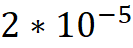
В качестве целевой функции использовалась категориальная кросс-энтропия с L2-регуляризацей весов классификационной головы. Конфигурация обучения представлена в таблице 1, которая представлена ниже.
Таблица 1. Параметры обучения модели
|
Параметр
|
Значение
|
|
Оптимизатор
|
AdamW
|
|
Скорость обучения (η)
|
|

|
0.9 / 0.999
|
|
ε
|

|
|
Warmup ratio
|
10%
|
|
Расписание LR
|
Линейное
|
|
Число эпох
|
3
|
|
Размер батча
|
16
|
Разделение данных выполнялось по схеме train/test/validation. Обучающая выборка делилась в соотношении 85:15 со стратификацией; выбор чекпоинта осуществляется по валидационной выборке. Тестовый набор (3000 примеров) на всех этапах оставался изолированным и использовался исключительно для финальной оценки (см. Рис. 1 и Рис. 2). В данном случае следует подчеркнуть, что терминология наших рисунков и таблиц использовала общепринятые названия и обозначения [3, 5, 6, 8].
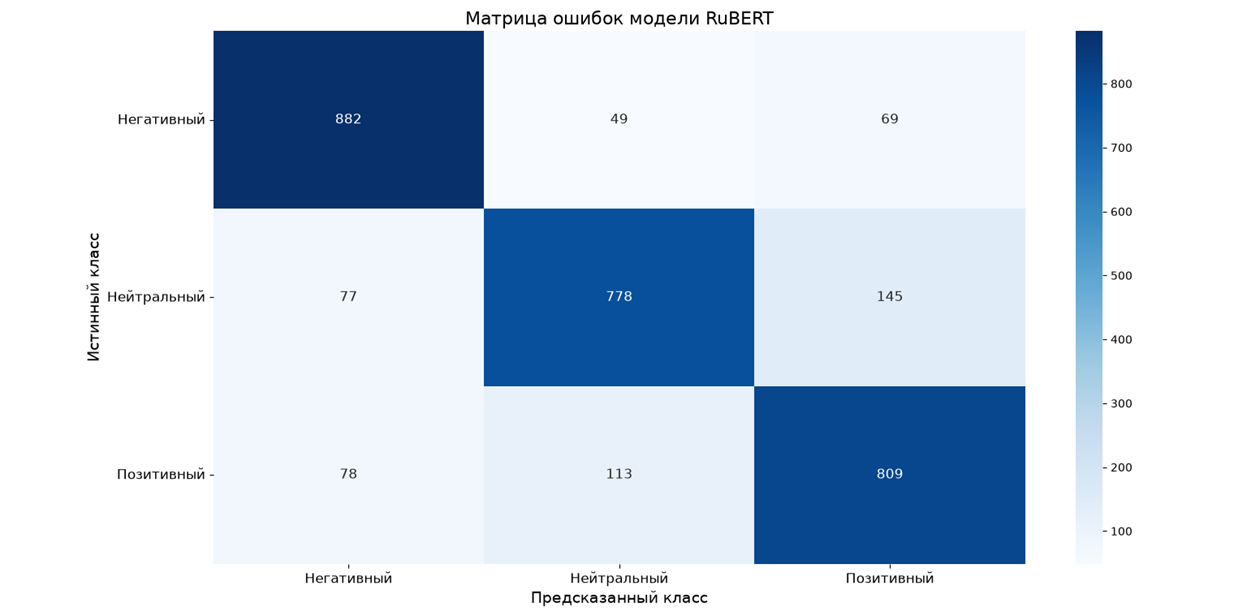
Рисунок 1. Матрица ошибок после обучения модели
Источник: составлено авторами.
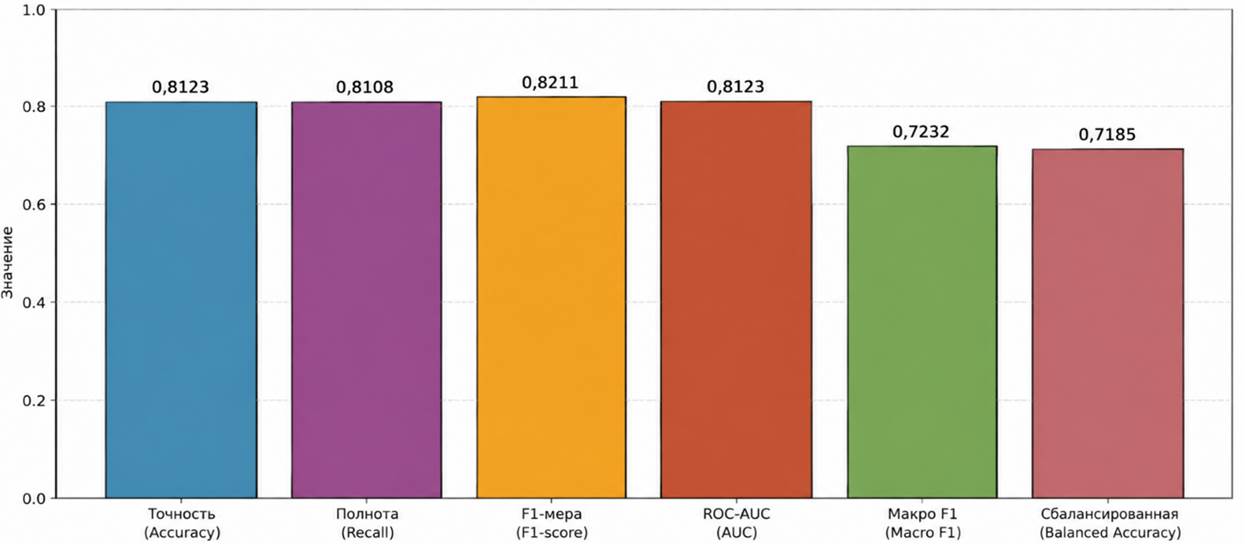
Рисунок 2. Метрики производительности после обучения модели
Источник: составлено авторами.
Оценка проведена на полностью отложенной тестовой выборке (3000 примеров), не использовавшейся ни на одном из этапов отбора модели в процессе обучения. Дополнительно рассчитаны интегральные метрики, устойчивые к дисбалансу классов: коэффициент корреляции Мэттьюса (MCC) составил 0,7232, каппа Коэна (Cohen’s Kappa) — 0,7185. Оба значения соответствуют существенному согласию между предсказаниями модели и истинными метками и подтверждают устойчивость результатов, представленных в Таблице 2 (см. Табл. 2).
Таблица 2. Результаты и метрики классификации после обучения модели
|
Класс
|
Точность
|
Полнота
|
F1-мера
|
Поддержка
|
|
Негатив
|
0,85053
|
0,882
|
0,865979
|
1000
|
|
Нейтраль
|
0,82766
|
0,778
|
0,802062
|
1000
|
|
Позитив
|
0,790811
|
0,809
|
0,799802
|
1000
|
|
Макро-среднее
|
0,823
|
0,823
|
0,822615
|
3000
|
|
Средневзвешенное значение
|
0,823
|
0,823
|
0,822615
|
3000
|
При применении обученной модели к основному корпусу из 98870 аннотированных комментариев (см. Табл. 4) матрица ошибок показала иное распределение: наибольшее число ошибок пришлось на смешение негативных и нейтральных комментариев (15397 случаев, когда нейтральный комментарий был ошибочно классифицирован как негативный). Показатели F1-Score в основном наборе ожидаемо снизились по сравнению с тестовой выборкой: 0,66 — для негативного класса, 0,60 — для нейтрального и 0,51 — для позитивного (см. Табл. 3). Это снижение объясняется большей неоднородностью и шумностью реальных пользовательских комментариев, а также дисбалансом классов (преобладанием нейтральных и негативных высказываний), что потребовало дополнительной интерпретации результатов с учётом специфики финансового дискурса.
Таблица 3. Метрики после анализа комментариев
|
Класс
|
Точность
|
Полнота
|
F1-мера
|
Поддержка
|
|
Негатив
|
0,57
|
0,80
|
0,66
|
30,676
|
|
Нейтраль
|
0,64
|
0,57
|
0,60
|
44,636
|
|
Позитив
|
0,64
|
0,42
|
0,51
|
23,558
|
Таблица 4. Матрица ошибок после анализа комментариев
|
Фактические \ Прогнозные
|
Негатив
|
Нейтраль
|
Позитив
|
Всего
|
|
Негатив
|
24,426
|
4,221
|
2,029
|
30,676
|
|
Нейтраль
|
15,397
|
25,631
|
3,608
|
44,636
|
|
Позитив
|
3,215
|
10,479
|
9,864
|
23,558
|
|
Всего
|
43,038
|
40,331
|
15,501
|
98,870
|
Завершающей частью нашего исследования стал частотный анализ, который был проведен с выгруженными текстами комментариев с помощью алгоритма Bag of Words. Для каждой категории формировался частотный словарь на основе абсолютных частот встречаемости. Каждая категория представляла собой частотный словарь, составленный отдельно для избранных нами финансовых организаций (ПАО Сбербанк, АО «Тбанк», Банк ВТБ (ПАО), АО «Альфа-банк», ООО «Компания БКС», АО «Финам»). Относительная частота вычислялась по формуле:
P(w) = (f(w) / N) × 100%,
где f(w) — абсолютная частота слова w, N — общее количество токенов в корпусе категории.
Для фиксации особенностей частотности лексики были выделены шесть блоков, отражающих особенности лексики применительно к каждой организации, вошедшей в нашу выборку. Для каждого блока формировался независимый частотный словарь. Отнесение комментария к временному окну 2013 – 2026 гг. осуществлялось на основе даты публикации. В результате полученные абсолютные значения нормировались на общее количество слов в каждой выборке и пересчитываются на 1000 токенов, что обеспечивает корректное сравнение между категориями и блоками независимо от размера корпуса.
Паблики банков и брокерских организаций в социальной сети
Вконтакте в зеркале статистики
Важной составляющей дальнейшей интерпретации результатов нашего исследования является краткое описание основных статистических показателей пабликов банков и брокерских организаций, вошедших в нашу выборку. Это позволило сравнить активность данных пабликов и интерес к ним со стороны пользователей социальной сети Вконтакте. Вместе с тем данная статистическая информация не учитывала медийной активности избранных нами банков и брокерских организаций на других цифровых платформах, а также в их собственных социальных сетях («Пульс» - Т-банк, «Профит» - БКС), что в определенном смысле ограничивало наши выводы. Можно также предположить, что активные дискуссии о финансовой сфере и финансовых продуктах избранных нами банков и брокерских организаций также разворачиваются вне социальной сети Вконтакте (напр. на платформе Telegram). Однако в данном исследовании мы сосредоточили внимание только на социальной сети В Контакте как наиболее распространенной в России среди разрешенных социальных платформ.
В процессе обращения к статистическим данным избранных нами пабликов нас интересовало число подписчиков, количество постов, количество лайков, репостов и комментариев в рамках хронологического периода 2013 – 2026 гг. Результаты сравнительного анализа приведены в таблице 5 (см. Табл. 5).
Таблица 5. Статистические данные избранных пабликов банков и брокерских организаций в социальной сети Вконтакте
за период 2013 – 2026 гг.
|
Сокращенное наименование организации
|
ID паблика в ВК
|
Общее число подписчиков
|
Число постов
|
Число лайков
|
Число репостов
|
Число комментариев
|
Число просмотров
|
|
Сбербанк
|
sberbank
|
2 528 765
|
7207
|
3 546 597
|
444 404
|
71 681
|
32 433 336 789
|
|
ВТБ
|
vtb
|
870 609
|
6134
|
486 836
|
78 898
|
17 898
|
1 410 963 345
|
|
Т-Банк
|
tinkoffbank
|
1 280 097
|
10 736
|
1 126 684
|
235 885
|
19 322
|
499 694 987
|
|
Альфа-банк
|
alfabank
|
392 749
|
4 397
|
795 284
|
123 415
|
7 228
|
2 358 538 222
|
|
БКС
|
bcs_world_of_investments
|
94 805
|
14 180
|
198 647
|
41 248
|
2 788
|
94 921 285
|
|
Финам
|
finam_ru
|
93 943
|
67 350
|
551 160
|
111 852
|
11 428
|
192 807 476
|
Как видно даже из беглого сравнения статистических данных, представленных в таблице 5, явно указывает на ведущую роль банковских организаций в формировании информационного поля финансовой сферы. Безусловным лидером как в рамках параметров, отражающих интерес пользователей социальной сети Вконтакте (число подписчиков, число просмотров), так и в рамках параметров, отражающих активность подписчиков (число лайков, число репостов, число комментариев), является паблик Сбербанка. Данный факт был ожидаем, учитывая доминирующую роль Сбербанка в банковском секторе РФ и его огромную клиентскую базу. При этом обращает на себя внимание также, что несмотря на заметную роль Альфа-банка и ВТБ в финансовой системе России, активность пользователей и интерес к их информационным сообщениям оказался достаточно слабым. Анализ статистических данных также показал возрастающую роль Т-банка как активного участника информационного поля. Анализируя данные легко увидеть, что и в рамках интереса пользователей, и в рамках активности подписчиков страница Т-банка в социальной сети Вконтакте занимает устойчиво второе место. Также обращает на себя внимание факт активности брокерских организаций в сравнении с крупными российскими банками. Уступая банкам как по числу подписчиков, так и по интересу и активности пользователей социальной сети, обе брокерские организации показывают стремление к информационной активности с целью привлечения внимания к инвестиционной деятельности (число постов). Соответственно в первую тройку среди пабликов по числу постов вошли Финам, БКС и Т-банк.
Общая динамика сентимента в отношении финансовой сферы в комментариях пользователей социальной сети «Вконтакте»
Важной задачей нашего исследования являлось изучение общей динамики сентимента в отношении финансовой сферы, представленной в комментариях пользователей избранных нами пабликов. В данном случае мы пытались выявить не только общее соотношение положительных и негативных комментариев, но и понять насколько данная динамика коррелирует с индексом Мосбиржи. Результаты сентимент-анализа, представленные на рисунке 3 (см. Рис. 3) показывают заметное преобладание негативных комментариев на протяжении всего периода измерения. Показательно, что нейтральные комментарии оказались также достаточно распространенными среди участников обсуждений и также заметно доминировали над положительными комментариями. Динамика сентимента также указывает на несколько периодов, которые характеризуются всплесками эмоциональности и приходятся на 2020, 2022 и 2024-2025 годы. Сравнение данных всплесков с динамикой индекса Мосбиржи (см. Рис. 4) не оставляет сомнений в факте влияния актуальных макроэкономических и геополитических событий на пользовательский сентимент. Любопытно отметить, что события 2014 года, связанные с присоединением Крыма, не продемонстрировали заметного всплеска комментариев, что коррелирует с относительно стабильным движением индекса Мосбиржи в этот период. Также была выявлена зависимость роста негативных комментариев в период 2017 – 2018 годов и волатильности на Мосбиржи в этот период. Заметное снижение числа негативных комментариев в первой половине 2026 года может быть объяснено итогами президентских выборов США (победа Д. Трампа) и ростом ожиданий участников финансовых рынков на скорое улучшение геополитической повестки.
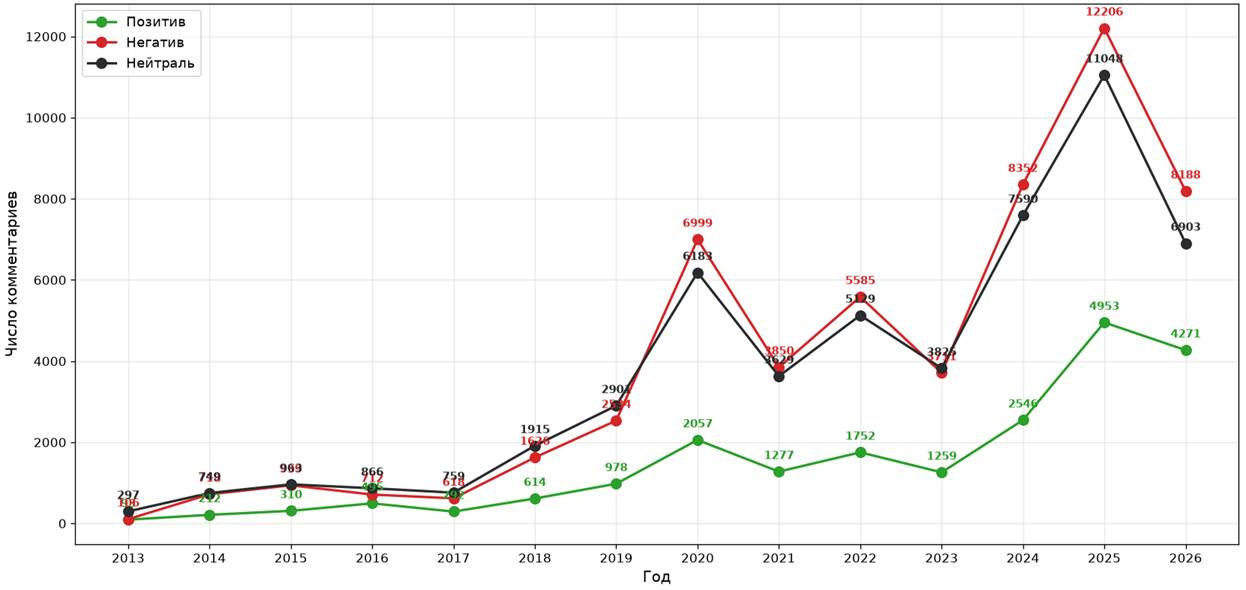
Рисунок 3. Общая динамика тональности комментариев к постам по финансовой тематике в социальной сети «Вконтакте»
(2013 – 2026 гг.)
Источник: составлено авторами
В дальнейшем мы постарались пристальнее взглянуть на динамику комментариев и выявили заметное различие между пабликами банков и брокерских организаций. Сравнивая между собой показатели динамики комментариев крупных российских банков, мы обнаружили заметные сходства. Их динамика коррелировала с общей динамикой комментариев, представленной на рисунке 3 (см. Рис. 3). В тоже время обращение к результатам анализа динамики комментариев брокерских организаций наоборот показало существенный рост числа негативных комментариев после 2022 года в случае только страницы БКС, которая попала под санкции США в ноябре 2024 года. В это же время страница Финама, не попавшего под какие-либо санкции, наоборот, продемонстрировала доминирующий рост числа положительных комментариев после 2022 года и даже заметное снижение числа негативных комментариев в первой половине 2026 года.
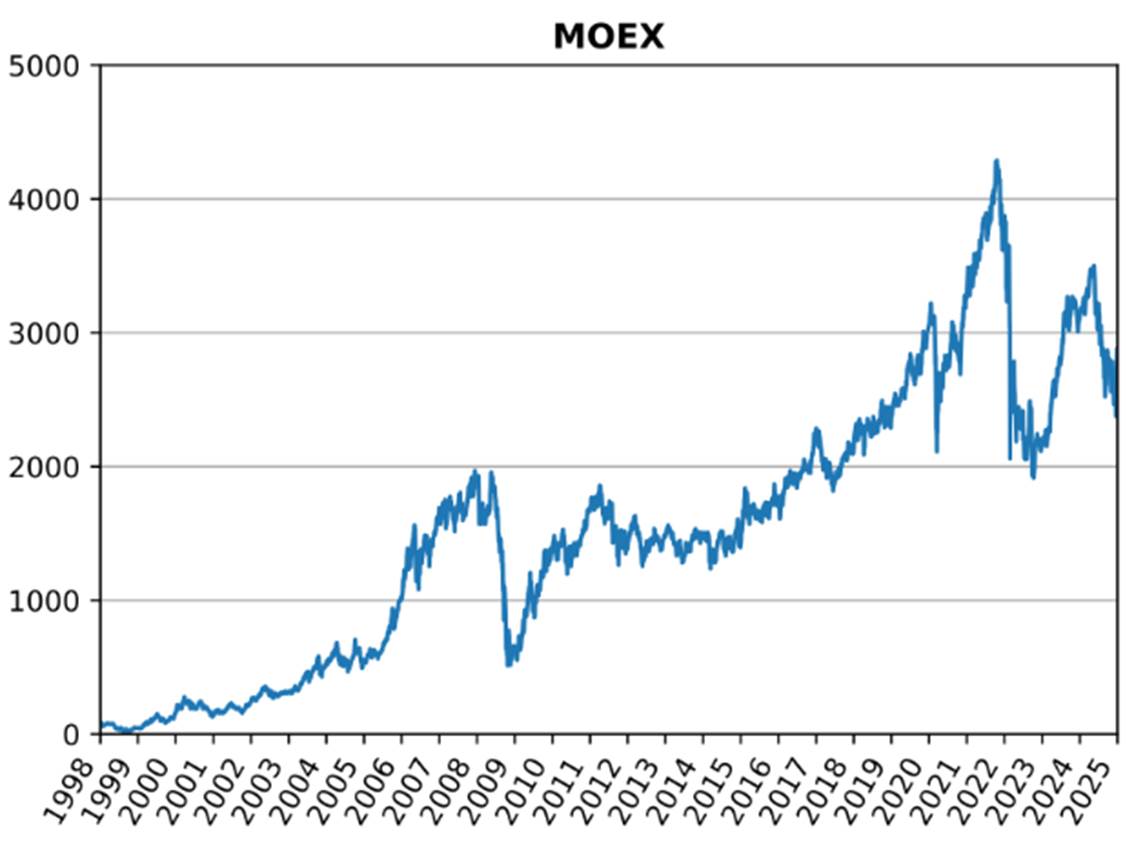
Рисунок 4. Динамика индекса Мосбиржи (1998-2025 гг.)
Источник: составлено авторами на основе данных Мосбиржи.
Результаты частотного анализа комментариев к постам по финансовой тематике в социальной сети Вконтакте
Следующим этапом нашего исследования стал частотный анализ комментариев, который позволяет увидеть особенности семантики дискурса, стоящие за совокупностью комментариев. Для проведения нашего частотного анализа мы выделили шесть лексических групп, отражающих особенности наиболее частотной лексики применительно к каждой финансовой организации, вошедшей в нашу выборку. В целях учета данных параметров, а также визуализации сравнительного анализа интересующих лексических групп, нами была подготовлена сводная таблица (см. Табл. 6), отражающая особенности частотности употребляемых существительных. Также следует отметить, что для повышения уровня репрезентативности данных в процессе обработки текстов комментариев нами были исключены слова, выражающие благодарность или имена собственные, включая названия банков и брокерских организаций.
Таблица 6. Результаты автоматизированного подсчета частотной лексики (существительные) в текстах Интернет-комментариев на страницах банков и брокерских организаций в социальной сети Вконтакте, посвященных финансовой тематике (2013 – 2026 гг.) *
|
Сбербанк
|
ВТБ
|
Т-банк
|
Альфа-банк
|
БКС
|
Финам
|
|
карта
(5,6 %) |
карта
(4,8%) |
карта
(2,7 %) |
карта
(3,3 %) |
акция
(4,7 %) |
эфир
(4,2 %) |
|
приложение (5,5 %)
|
деньги
(4,3 %) |
приложение
(2,5 %) |
деньги
(2,9 %) |
рынок
(3,6 %) |
рынок
(3,8 %) |
|
деньги
(4,1 %) |
категория
(4,1 %) |
счет
(2,1 %) |
месяц
(2,5 %) |
счет
(3,3 %) |
акция
(3,2 %) |
|
онлайн-платеж
(2,8 %) |
личный счет
(3,9 %) |
ситуация
(1,9 %) |
счет
(2,2 %) |
инвестиция
(3,1 %) |
инвестиция
(3,2 %) |
|
счет
(2,5 %) |
приложение
(3,7 %) |
условие
(1,3 %) |
приложение
(2,1 %) |
деньги
(2,9 %) |
цена
(2,6 %) |
|
телефон
(1,9 %) |
месяц
(3,7%) |
информация
(0,7 %) |
сумма
(1,8 %) |
мир
(2,7 %) |
продажа
(2,1 %) |
|
вклад
(1,7 %) |
онлайн-платеж
(2,9 %) |
понимание
(0,3 %) |
кредит
(1,3 %) |
приложение
(2,5 %) |
компания
(1,8 %) |
|
перевод
(1,3 %) |
требование
(2,1 %) |
деньги
(0,3 %) |
перечисление
(0,8 %) |
рубль
(2,1 %) |
покупка
(1,1 %) |
|
кредит
(1,2 %) |
условие
(1,9 %) |
акция
(0,3 %) |
акция
(0,7 %) |
ценная бумага
(2,1 %) |
рост
(0,9 %) |
|
займ
(0,9%) |
программа
(1,1 %) |
подарок
(0,2 %) |
долг
(0,4 %) |
ситуация
(1,3 %) |
рубль
(0,7 %) |
в комментариях по группе
Источник: составлено авторами на основе данных пабликов в социальной сети ВКонтакте
Анализ результатов автоматизированного подсчета частотной лексики в текстах Интернет-комментариев в разрезе существительных показал заметные различия между лексикой на страницах крупных российских банков и брокерских организаций. При этом различия между самими банками оказались минимальными, что позволяет нам перейти к описанию выявленных тенденций. Сравнительный анализ показал, что наибольшая частотность была выявлена в обсуждении участниками пабликов банков пластиковых карт и приложений банков, что можно рассматривать как отражение активной политики банков в последние годы по расширению клиентской базы и цифровых финансовых услуг. Общей для всех банков тенденцией стал высокий уровень частотности в обсуждении различных видов счетов, что было вполне ожидаемым на фоне сохранения в России консервативной модели финансового поведения, а также периода высоких ставок по вкладам в последние годы. Кроме того, вполне ожидаемым было увидеть определенный уровень частотности лексем, связанных с обсуждением кредитов, займов и долговых обязательств. В определенной степени второстепенное значение данной темы в обсуждениях участников Интернет-дискуссий на наш взгляд было связано более высоким уровнем внимания клиентов российских банков в отношении накопительных счетов, вкладов и новых банковских приложений, которые просто отодвинули на второй план тематику кредитов и займов. К тому же условия кредитования на страницах банков являются предельно детализированными, что само по себе могло быть источником низкого уровня дискуссионности данной темы.
Как мы и ожидали, паблики брокерских организаций в отличие от банков выявили иной набор лексем, частотность которых явно указывала на приоритет обсуждения темы инвестиций. Так, в топ-3 наиболее упоминаемых существительных вошли такие понятия как акция, рынок, инвестиция. Кроме того, была выявлена частотность употребления слов, отражающих динамику фондового рынка. Заметным отличием проанализированных нами пабликов стала их ориентация на инструменты коммуникации с клиентами и пользователями цифровых сервисов. В случае БКС мы видим это в высокой частотности обсуждения вопросов работы приложения брокера, а в случае Финама – вопросов проведения эфиров.
Обсуждение
Результаты нашего исследования, выполненные на базе только одного медиаресурса – социальной сети Вконтакте не позволяют нам рассматривать наши выводы в более широкой перспективе, так как активные дискуссии относительно актуальных вопросов развития финансовых рынков идут на различных цифровых платформах и коммуникационных порталах (в том числе запрещенных в РФ), а также в собственных социальных сетях крупных банков и брокеров. Вместе с тем социальная сеть Вконтакте продолжает оставаться одной из наиболее популярных из числа разрешенных цифровых площадок, где обсуждается широкий круг вопросов финансовой сферы. Это позволяет нам в определенной степени сравнить результаты нашего исследования с результатами наших коллег.
Интерпретация статистических данных пабликов финансовых организаций в социальной сети Вконтакте, вошедших в нашу выборку, позволяет нам уверенно говорить о доминировании банков в информационной сфере вокруг финансовой проблематики. Здесь следует отметить, что сложившаяся ситуация не является уникальной российской спецификой. Наоборот, по всему миру банки продолжают оставаться ключевыми объектами финансового доверия [19, 21]. Несмотря на все усилия российских брокерских организаций в деле привлечения клиентов и целый ряд законодательных инициатив по поддержке фондового рынка, мы видим, что судя по числу постов, интерес основной массы участников финансовых пабликов в социальной сети Вконтакте остается направленным в отношении банков и размещаемой ими информации.
Результаты нашего исследования подтверждают ряд выводов наших коллег, зафиксировавших наличие взаимосвязи между сентиментом частных инвесторов и динамикой фондового рынка России [3, 5, 6, 7, 8]. В отличие от работ наших коллег, нас интересовала не столько зависимость движения активов на фондовом рынке от динамики настроений на цифровых платформах, сколько общая динамика сентимента на одной цифровой платформе в контексте геополитических и макроэкономических событий. Показательно в этой связи то, что преобладание негативного сентимента оказалась присущим не только пабликам брокерских организаций, но и пабликам крупных российских банков, отражая негативную геополитическую и макроэкономическую повестку. Характерно, что всплески эмоциональной составляющей комментариев и рост их количества пришлись на 2020, 2022 и 2024-2025 гг.
В контексте результатов нашего частотного анализа был подтвержден вывод о сохранении и доминировании в среде российского массового сознания консервативной модели финансового поведения, на что указывал высокий уровень частотности в обсуждении пластиковых карт, приложений банков и счетов. Несмотря на то, что в последнее время крупные банки также активно продвигают различные программы инвестиционной деятельности, их паблики в социальной сети Вконтакте не позволяют увидеть в данном случае значимый эффект от данного направления их корпоративной политики.
Заключение
Таким образом, обращение к эмоциональной составляющей поведенческих финансов в современных условиях нельзя рассматривать отдельно от изучения особенностей тех цифровых сред, где коллективные эмоции превращаются в общественный дискурс, а мнения и оценки посетителей цифровых платформ способны формировать заметные тенденции в том числе и на фондовом рынке. В этих условиях сентимент-анализ пользовательских реакций в комментариях финансовых пабликов оказывается важным методологическим инструментом, позволяющим комбинировать методы цифровой социологии, поведенческих финансов и технологии машинного обучения. В данном исследовании мы сосредоточили внимание на изучении особенностей сентимента Интернет-комментариев участников финансовых пабликов крупных российских банков и брокеров в социальной сети Вконтакте. Анализ статистических данных пабликов финансовых организаций, вошедших в нашу выборку, показал заметное доминирование страниц Сбербанка и Т-банка как в рамках активности пользователей, так и их интереса к информационному контенту. При этом именно страницы брокеров в социальной сети Вконтакте показали наиболее высокий уровень информационной активности.
Подводя итоги нашего изучения общей динамики сентимента за период 2013 – 2026 гг. мы можем с уверенностью говорить о явном доминировании негативных и нейтральных комментариев, а также выявили корреляцию с динамикой индекса Мосбиржи. Мы также обнаружили, что пики эмоциональной активности участников на страницах всех интересующих нас банков и брокерских организаций пришлись на 2020, 2022 и 2024-2025 годы, что очевидно совпадало с крупными эпидемиологическими и геополитическими событиями. Это позволило полностью подтвердить нашу первую гипотезу.
Сравнение динамики комментариев на страницах банков и брокеров на интересовавшем нас хронологическом отрезке также выявило влияние санкционной повестки на динамику сентимента комментариев на страницах брокерских организаций, где важную роль сыграло попадание брокера в санкционный список. Вместе с тем сравнительный анализ динамики сентимента комментариев брокерских организаций позволил лишь частично подтвердить вторую гипотезу, где рост доли негативных комментариев отражал не только актуальную ситуацию на российском фондовом рынке, но и введение санкционных ограничений для соответствующей организации.
Проведенный сентимент-анализ был дополнен результатами частотного анализа, который в нашем случае был сфокусирован на лексику комментариев и выявил сохранение консервативной модели финансового поведения среди пользователей избранных нами пабликов, что позволило подтвердить третью гипотезу исследования. Заметим, что сохранение консервативной модели финансового поведения было особенно заметно в рамках интереса к темам пластиковых карт, банковских приложений и клиентских счетов. На этом фоне интерес к теме инвестиционной деятельности показали только паблики брокерских организаций, где обсуждение участников ожидаемо фокусировалось на теме акций, рынков и инвестиций.
Соответственно дальнейший анализ специфики цифрового коммуникационного пространства вокруг финансовой проблематики как в аспекте углубления методологии сентимент-анализа, так и в аспекте расширения числа изучаемых эмоций, а также сопоставление с результатами исследования других цифровых платформ могут стать важным инструментом дальнейшего прогнозирования поведения розничных инвесторов на российском рынке и корректировки информационной политики финансовых институтов в России.
Источники:
2. Коротких В. В., Филатова В. В., Щепина И. Н. Сентимент корпоративных эмитентов в объяснении различий в доходностях акций на российском рынке // Вестник Воронежского государственного университета. Серия: Экономика и управление. – 2024. – № 3. – c. 19-34.
3. Матевосова А.М. Сентимент-анализ как инструмент исследований в сфере денежно-кредитной политики // Журнал новой экономической ассоциации. – 2026. – № 2. – c. 314-323.
4. Митягина В. А. Интернет-комментарий как коммуникативное действие. / Жанры и типы текста в научном и медийном дискурсе: Межвузовский сборник научных трудов / А. Г. Пастухов (Ред.). - Орлов: Орловский государственный институт искусств и культуры, 2012. – 188–197 c.
5. Теплова Т.В., Соколова Т.В., Файзулин М.С., Куркин А.В. Сентимент инвесторов и аномалии в поведении биржевых характеристик инвестиционных активов. - Москва: ИНФРА-М, 2022. – 199 c.
6. Теплова Т.В., Соколова Т.В., Томтосов А.Ф., Бучко Д.В., Никулин Д.Д. Сентимент частных инвесторов в объяснении различий в биржевых характеристиках акций российского рынка // Журнал новой экономической ассоциации. – 2022. – № 1. – c. 53–84.
7. Саяпин А.В., Ямашкин С.А. Анализ сентимента-финансовых новостных публикаций на русском языке // Современные наукоемкие технологии. – 2025. – № 12. – c. 184–194.
8. Файзулин М.С. Сентимент и стадное поведение частных инвесторов кластерный анализ российского фондового рынка // Финансовый журнал. – 2024. – № 4. – c. 95–113.
9. Adachi Y. Masuda M. Takeda F. Google search intensity and its relationship to the returns and liquidity of Japanese startup stocks // Pacific-Basin Finance Journal. – 2017. – p. 243–257.
10. Bachhav V.A., Sabnis A.A., Dhabale P.V., Ambhore A.R. // International Journal. – 2026. – № 02. – p. 1–9. – url: отсутствует (в исходной записи не указан).
11. Baker M., Wurgler J. // The Journal of Finance. – 2006. – p. 1645–1680. – url: (если ссылка отсутствует, указать её отсутствие).
12. Barber B. M., Odean T., Zhu N. Do retail trades move markets? // The Review of Financial Studies. – 2008. – № 1. – p. 151–186.
13. French D. McKillop D. Stewart E. Personal finance apps and low‐income households // Strategic Change. – 2021. – № 30. – p. 367–375.
14. Giménez-Nadal J.I., Molina J.A., Xiao J.J. // Journal of Behavioral and Experimental Finance. – 2026. – p. 101181. – url: https //doi.org/10.1016/j.jbehav.2026.06.009 (предположительно).
15. Kuo W. Y., Lin T. C., Zhao J. Cognitive limitation and investment performance: Evidence from limit order clustering // The Review of Financial Studies. – 2015. – № 3. – p. 838-875.
16. Liang C., Li Y., Tang L., Wei Y. Which sentiment index is more informative to forecast stock market volatility? Evidence from China // International Review of Financial Analysis. – 2020. – p. 1-11.
17. Nurazi R., Kananlua P.S., Usman B. The effect of Google trend as determinant of return and liquidity in Indonesia stock exchange // Journal Pengurusan. – 2015. – № 45. – p. 131–142.
18. Oliveira N., Cortez P., Areal N. On the predictability of stock market behavior using StockTwits sentiment and posting volume. EPIA 2013: Progress in Artificial Intelligence. – p. 355–365.
19. Pyotrenko Y., Boór M. // Acta Academica. – 2023. – p. 54–68. – url: отсутствует (в записи нет прямого указателя на URL).
20. Perelman M.A. The Neglected Economics of Trust The Bentham Paradox and Its Implications // American Journal of Economics and Sociology. – 2006. – № 57. – p. 381–389.
21. Pixley J. Emotions in Finance: Distrust and Uncertainty in Global Markets. - Cambridge University Press, 2004. – 228 p.
22. Renault T. Intraday online investor sentiment and return patterns in the U.S. stock market // Journal of Banking and Finance. – 2017. – № 84. – p. 25–40.
23. Risk Traditional Finance Versus Behavioral Finance Ricciardi V. Risk: Traditional Finance Versus Behavioral Finance // Handbook of Finance: Vol. 3: Valuation, Financial Modeling, and Quantative tools / Frank J. Fabozzi (ed.). – London: John Wiley & Sons, 2008. – p. 11-38 URL: отсутствует.
24. Ricciardi V., Simon H.K. What is Behavioral Finance? // Business, Education and Technology Journal. – 2000. – p. 1-9.
25. Ritter J.R. Behavioral finance // Pacific-Basin Finance Journal. – 2003. – p. 429–437.
26. Schmeling M. Investor sentiment and stock returns Some international evidence // Journal of Empirical Finance. – 2009. – № 3. – p. 394–408.
27. Sharma D., Kumar A. // International Scientific Journal of Engineering and Management (ISJEM). – 2025. – № 03. – p. 1–9. – url: //.
28. Smales L.A. Investor attention and global market returns during the COVID-19 crisis // International Review of Financial Analysis. – 2021. – p. 101616.
29. Smales L.A. The importance of fear: investor sentiment and stock market returns // Applied Economics. – 2017. – № 34. – p. 3395-3421.
30. Sunstein C.R. Democracy and filtering // Communications of the ACM. – 2004. – № 12. – p. 57–59.
31. Wu D.D., Zheng L., Olson D.L. A decision support approach for online stock forum sentiment analysis // The IEEE Transactions on Systems, Man, And Cybernetics Systems. – 2014. – № 8. – p. 1077–1087.
Страница обновлена: 29.09.2026 в 11:52:48
The emotional component of behavioral finance: a content analysis of comments by Russian users in financial publics on the VKontakte social network
Linchenko A.A., Linchenko I.A., Makarov I.N.Journal paper
Journal of Economics, Entrepreneurship and Law
Volume 16, Number 10 (October 2026)
Abstract:
Thу article presents the results of a content analysis of comments by Russian users in financial publics belonging to major Russian banks and brokerage firms on the VKontakte social network for the period 2013–2026. Statistical data from financial institutions' social media pages allow to conclude that Sberbank and T-Bank clearly dominate in terms of both user activity and interest in informational content. The authors have found that brokerage pages exhibited the highest level of informational activity among these organizations. Using machine learning methods, the authors have analyzed sentiment trends from 2013 to 2026. The results show a clear predominance of negative and neutral comments and suggested a correlation with the MOEX Index. Notably, peaks in user emotional activity coincide with major epidemiological (COVID-19) and geopolitical (the conflict in Ukraine) events. A frequency analysis of the vocabulary used in comments reveals the continued dominance of a conservative model of financial behavior, with discussions centering primarily on bank cards, banking apps, and various types of client accounts.
Keywords: behavioral finance, collective emotions, content analysis, sentiment analysis, machine learning, frequency analysis, financial culture
Funding:
JEL-classification: G40, G41, Z13, D91, C88
References:
Adachi Y. Masuda M. Takeda F. (2017). Google search intensity and its relationship to the returns and liquidity of Japanese startup stocks Pacific-Basin Finance Journal. 46 243–257.
Bachhav V.A., Sabnis A.A., Dhabale P.V., Ambhore A.R. (2026). Stock Market Prediction and Sentiment Analysis International Journal. (02). 1–9.
Baker M., Wurgler J. (2006). Investor sentiment and the cross-section of stock returns The Journal of Finance. 1645–1680.
Barber B. M., Odean T., Zhu N. (2008). Do retail trades move markets? The Review of Financial Studies. 22 (1). 151–186.
Fayzulin M.S. (2024). Sentiment and Herd Behavior of Private Investors: a Cluster Analysis of the Russian Stock Market. The Journal of Finance. 16 (4). 95–113.
French D. McKillop D. Stewart E. (2021). Personal finance apps and low‐income households Strategic Change. (30). 367–375.
Giménez-Nadal J.I., Molina J.A., Xiao J.J. (2026). Emotions related to time use in financial activities Affective patterns in the US Journal of Behavioral and Experimental Finance. 50 101181.
Goretskaya V.A. (2013). Behavioral Finance: Implementation of Prospect Theory in the Process of Making Investment Decisions. Russian entrepreneurship. (13). 104–110.
Korotkikh V. V., Filatova V. V., Schepina I. N. (2024). Corporate Sentiment and Stock Returns: Evidence from Russia. Bulletin of Voronezh State University. Series: Economics and Management. (3). 19-34.
Kuo W. Y., Lin T. C., Zhao J. (2015). Cognitive limitation and investment performance: Evidence from limit order clustering The Review of Financial Studies. 28 (3). 838-875.
Liang C., Li Y., Tang L., Wei Y. (2020). Which sentiment index is more informative to forecast stock market volatility? Evidence from China International Review of Financial Analysis. 71 1-11.
Matevosova A.M. (2026). Sentiment Analysis for Monetary Policy Research. Journal of the New Economic Association. (2). 314-323.
Mityagina V. A. (2012). Online commentary as a communicative action
Nurazi R., Kananlua P.S., Usman B. (2015). The effect of Google trend as determinant of return and liquidity in Indonesia stock exchange Journal Pengurusan. (45). 131–142.
Oliveira N., Cortez P., Areal N. On the predictability of stock market behavior using StockTwits sentiment and posting volume. EPIA 2013: Progress in Artificial Intelligence. – p. 355–365.
Perelman M.A. (2006). The Neglected Economics of Trust The Bentham Paradox and Its Implications American Journal of Economics and Sociology. (57). 381–389.
Pixley J. (2004). Emotions in Finance: Distrust and Uncertainty in Global Markets
Pyotrenko Y., Boór M. (2023). Impact of Sentiment on Households’ Financial Decision Making Acta Academica. 54–68.
Renault T. (2017). Intraday online investor sentiment and return patterns in the U.S. stock market Journal of Banking and Finance. (84). 25–40.
Ricciardi V. Risk: Traditional Finance Versus Behavioral Finance // Handbook of Finance: Vol. 3: Valuation, Financial Modeling, and Quantative tools / Frank J. Fabozzi (ed.). – London: John Wiley & Sons, 2008. – p. 11-38
Ricciardi V., Simon H.K. (2000). What is Behavioral Finance? Business, Education and Technology Journal. 1-9.
Ritter J.R. (2003). Behavioral finance Pacific-Basin Finance Journal. 11 429–437.
Sayapin A.V., Yamashkin S.A. (2025). Sentiment Analysis of Financial News Articles in Russian Language. Modern high-tech technologies. (12). 184–194.
Schmeling M. (2009). Investor sentiment and stock returns Some international evidence Journal of Empirical Finance. 16 (3). 394–408.
Sharma D., Kumar A. (2025). The Impact of Emotional Factors on Household Financial Decision-Making An Exploratory study International Scientific Journal of Engineering and Management (ISJEM). 4 (03). 1–9.
Smales L.A. (2017). The importance of fear: investor sentiment and stock market returns Applied Economics. 49 (34). 3395-3421.
Smales L.A. (2021). Investor attention and global market returns during the COVID-19 crisis International Review of Financial Analysis. 73 101616.
Sunstein C.R. (2004). Democracy and filtering Communications of the ACM. 47 (12). 57–59.
Teplova T.V., Sokolova T.V., Fayzulin M.S., Kurkin A.V. (2022). Investor sentiment and anomalies in the behavior of stock characteristics of investment assets
Teplova T.V., Sokolova T.V., Tomtosov A.F., Buchko D.V., Nikulin D.D. (2022). The Sentiment of Private Investors in Explaining the Differences in the Trade Characteristics of the Russian Market Stocks. Journal of the New Economic Association. (1). 53–84.
Wu D.D., Zheng L., Olson D.L. (2014). A decision support approach for online stock forum sentiment analysis The IEEE Transactions on Systems, Man, And Cybernetics Systems. 44 (8). 1077–1087.