
Процессная модель экспорта ИИ-решений
Третьякова В.А.1 , Ткаченко А.И.1 , Горлачева Е.Н.1
1 Российская академия народного хозяйства и государственной службы при Президенте Российской Федерации (РАНХиГС), Москва, Россия
Скачать PDF | Загрузок: 4
Статья в журнале
Информатизация в цифровой экономике (РИНЦ, ВАК)
опубликовать статью | оформить подписку
Том 7, Номер 3 (Июль-сентябрь 2026)
Аннотация:
Постановка проблемы. Расширение несырьевого экспорта и обеспечение его конкурентоспособности является системообразующим приоритетом функционирования российской экономики, который задает вектор развития высокотехнологичным отраслям. Одним из стратегических направлений несырьевого экспорта РФ является экспорт отечественных ИИ-решений, что сопряжено со сложностью учета множественных барьеров. Цель работы - разработка процессной модели экспорта ИИ-решений, позволяющей структурировать этапы выхода на внешние рынки. Методологическую основу исследования составили положения теории принятия управленческих решений и процессного моделирования. В качестве методов исследования использовались общетеоретические методы анализа, синтеза, качественная интерпретация предложенных этапов, а также инструменты стратегического маркетинга. Информационная база исследования основана на доступных нормативных и аналитических документах по экспорту ИИ-решений. В результате исследования предложена пятиэтапная процессная модель экспорта. В рамках модели определен критический этап – экспорт продукта, характеризующийся наибольшими рисками и неопределенностью. Разработанный алгоритм увязывает управленческие решения с вероятностью успешной адаптации продукта к зарубежным рынкам. Полученные результаты позволяют сделать вывод, что наиболее вероятным сценарием является локализация ИИ-решений крупными игроками, а ключевым вызовом для российских компаний становится преодоление внешних ограничений на каждом из этапов предложенной модели
Ключевые слова: процессный подход, стратегический маркетинг, внешние рынки, модели экспорта, ИИ-решения, локализация ИИ-продукта
JEL-классификация: L51, L52, O25
Благодарности:
Работа выполнена в рамках государственного задания РАНХиГС
Введение
Зависимость структуры национального экспорта от сырьевого сектора остается критическим вызовом для долгосрочной устойчивости российской экономики [3] (Anosova, Kabir, 2023). В этой связи расширение несырьевого экспорта рассматривается не просто как тактическая задача, а как системный приоритет, определяющий траекторию модернизации производственных отраслей и формирования ресурсной базы экономического развития.
Текущая макроэкономическая политика направлена на преодоление целого ряда ограничений, сдерживавших расширение экспортного потока и диверсификацию его структуры. В 2017 г. был запущен национальный проект «Международная кооперация и экспорт» [1], который направлен на усиление национальной поддержки несырьевого экспорта. В соответствии с Указом Президента РФ [2] общая доля несырьевого экспорта должна составлять не менее 20% ВВП, что потребует кратного увеличения объема экспорта несырьевых товаров [14] (Sadriev, Lukishina, Marufi, 2020). Однако в настоящее время экспорт отечественных ИТ-решений продолжает падать [3].
В условиях глобального технологического перехода ключевым фактором конкурентоспособности становятся технологии искусственного интеллекта (ИИ) [17] (Smagina, Yudin, 2025). Согласно прогнозам МакКинзи [4], совокупный вклад ИИ в глобальный ВВП к 2030 г. может превысить 13 трлн долл. США, что делает этот сектор ареной острой геоэкономической конкуренции [2] (Aminov, Krikukhin, Zakharova, 2023). В настоящее время лидирующие позиции в сфере ИИ занимают США и Китай. Страны прилагают значительные усилия, как политические, так и инвестиционные для разработки технологий и создания ИИ-систем различного спектра назначения. Так, США разработали ряд стратегических документов, в их числе «Национальный стратегический план по развитию искусственного интеллекта» [5], нацеленный на усиление глобального доминирования в сфере ИИ, а Китай – планирует стать мировым лидером в ИИ до 2030 г. [6]
На фоне гонки мировых лидеров российский ИТ-сектор демонстрирует устойчивый рост: по данным Минцифры [7] и ИСИЭЗ [8] НИУ ВШЭ, объем рынка в 2024 г. достиг 3,1–3,3 трлн руб. (около 1,8% ВВП) в прогнозируемым среднегодовым темпом роста – 8,54% до 2033 г. Особый интерес представляет сегмент ИИ-решений: при оценках объема рынка от 114 до 500 млрд руб., его среднегодовой темп роста в 2020–2024 гг. составил 25%, что в 2,5 раза превышает средние показатели по ИТ-отрасли [9]. Данные опросов CBInsight [10] фиксируют высокий уровень проникновения технологий: более половины крупных российских корпораций уже интегрировали ИИ как минимум в одну бизнес-функцию. Это свидетельствует о сформировавшемся внутреннем потенциале и наличии компетенций, которые могут быть масштабированы на внешние рынки [18] (Sorokina, Kulakov, Karlovskaya, 2025).
Беспрецедентное санкционное давление, с одной стороны, существенно ограничивает традиционные каналы технологического обмена, но с другой – создает «окно возможностей» для отечественных ИИ-решений [11]. Для масштабирования компаниям-разработчикам необходим выход на внешние рынки, где наблюдается спрос на альтернативные технологические стеки [12].
Однако высокий научный потенциал вступает в противоречие с низкой представленностью отечественных ИИ-решений на глобальных рынках [16] (Sergeeva, 2022). Существующие подходы к продвижению высокотехнологичного экспорта, как правило, ориентированы на традиционные товарные группы или унифицированные ИТ-продукты и не учитывают специфику ИИ-решений. К такой специфике относятся: высокая зависимость от качества данных, необходимость адаптации ИИ-решений под локальные регуляторные и культурные особенности, а также чувствительность к вопросам цифрового суверенитета и трансграничной передачи данных принимающих стран.
Несмотря на существующие национальные программы (Искусственный интеллект [13], Международная кооперация и экспорт [14]), специфика ИИ-решений, как AI-as-a-service, не всегда учитывается. Основное отличие ИИ-решений (вне зависимости, встроены ли они в чат-бот, фрезерный станок или онлайн-сервис) заключается в их чувствительности к инфраструктурной среде и качеству данных, с которыми они работают. Для ИИ-решений характерна такая проблема, как дрейф модели [39] (Miller, Durlik, 2026). В академическом дискурсе вопросы продвижения ИИ-решений также рассматриваются фрагментарно: либо технические аспекты разработки ИИ, либо общие вопросы экспорта ИТ-услуг [23] (Yakovlev, Kabir, Barashenkov, 2022). В контексте классических моделей международной торговли (U-модель, I-модель, сетевые модели) продвижение ИИ-решений не рассматривается в силу новизны этого явления [32] (Johanson, Vahlne, 1977), [27] (Cavusgil, 1980), [40] (Oviatt, McDougall, 1994), [44] (Roque, Alves, Raposo, 2019). И хотя эти модели объясняют такие важнейшие аспекты интернационализации, как объем ресурсных обязательств, механизмы операционного контроля, необходимость управления рисками, их применимость становится все более ограниченной в условиях современной динамики интернационализации, для которой характерно интенсивное использование данных, принятие решений в режиме реального времени, высокая связность глобальных экосистем [50] (Verbeke, Ciravegna, 2018), [47] (Stallkamp, Schotter, 2021).
Исследование зарубежных ученых не всегда учитывают российскую специфику. Так, анализ работ по теме исследования показал, что в настоящее время иностранные ученые сосредоточены на гибридизации современной интернационализации, расширяя классические модели управляемыми алгоритмами, с учетом нормативных требований и критериев устойчивого развития [25] (Autio, Mudambi, Yoo, 2021), [48] (Surdu, Mellahi, Glaister, 2019). Ряд исследователей сосредоточены на анализе нормативных проблем, так как продвижение ИИ-решений (несмотря на их потенциальную эффективность) создает проблемы правового и нормативного характера [Goswami, Shraddha, 2025]. Исследования о влиянии ИИ-решений на международную торговлю в большей степени делают акцент на преобразующий потенциал ИИ [41] (Ozturk, 2024) и проблемы, связанные с качеством данных, этическими соображениями [42] (Perc, Mahmut, Hojnik, 2019), технологической сложностью, общественным восприятием [29] (Garg, Nativa, Ghosh, 2022) и влиянием ИИ на бизнес-стратегии [45] (Saha, Reshmi, Sudha, Santosh, Hasi, Dongol, 2023).
Таким образом, анализ научной литературы, а также нормативных, стратегических документов показал, что в настоящее время отсутствуют формализованные механизмы и модели, которые комплексно описывали бы процесс выхода ИИ-продуктов на зарубежные рынки с учетом этих факторов.
Однако существующие модели интернационализации не в полной мере учитывают специфику ИИ-решений, именно поэтому в работе разрабатывается организационный алгоритм, который учитывает изменчивость ИИ-решений в иной среде данных, необходимость послепроектной корректировки ИИ-решений.
Целью настоящей статьи является разработка организационной модели экспорта отечественных ИИ-решений, позволяющей структурировать этапы выхода на внешние рынки и минимизировать сопутствующие риски.
Для достижения поставленных целей необходимо решение следующих задач:
- определить ключевые барьеры и факторы неопределенности, характерные для вывода ИИ-решений на зарубежные рынки;
- обоснование применения теории принятия управленческих решений и процессного подхода в качестве методологической базы моделирования;
- разработка организационной модели экспорта с детализацией содержания каждого этапа;
- разработка алгоритма реализации модели и сценарного прогноза для российских компаний-экспортеров.
Теоретическую основу исследования составили концепции процессного управления и теория принятия решений в условиях неопределенности. Информационную базу образуют материалы международных и российских аналитических агентств, данные министерств, а также корпус нормативно-правовых актов, регулирующих сферу ИИ и внешнеэкономической деятельности.
Статья структурирована следующим образом. Во втором разделе представлен обзор теоретических подходов к управлению экспортом высокотехнологичной продукции. В третьем разделе – обоснована архитектура процессной модели и раскрывается содержание ее ключевых этапов. В четвертом разделе – представлена интерпретация полученных результатов, в заключение – сформулированы основные выводы и обозначены направления дальнейших исследований.
Обзор литературы
Теоретической основой для разработки модели экспорта ИИ-решений послужила интеграция положений теории принятия решений и процессного подхода.
В контексте теории принятия решений выделяют два основных подхода: нормативный и дескриптивный. Сторонники нормативного подхода [9] (Larichev, 2006), [11] (Orlov, 2022) рассматривают процесс принятия решения сквозь призму рациональности, предполагая, что лицо, принимающее решение (ЛПР), обладает полной информацией и стремится к максимизации своей полезности. В рамках дескриптивного направления [7] (Kaneman, Slovik, Tverski, 2005) считается, что реальному поведению ЛПР присущи когнитивные искажения, эмоции и принятие решений в условиях неполной информации. Аналогичных суждений придерживался и Г. Саймон [15] (Saymon, 2000), который ввел понятие «ограниченной рациональности», доказав, что ЛПР заменяют критерий максимизации скорее на критерий удовлетворительности, выбирая приемлемый вариант, а не оптимальный.
В современных исследованиях теории принятия решений акцент смещается с общечеловеческих когнитивных искажений на индивидуальные и контекстуальные факторы выбора [8] (Kornilova, 2005). В работах В.И. Моросановой и Т.А. Индиной [10] (Morosanova, Indina, 2011) подчеркивается, что на рациональность влияют личностные, ценностные и смысловые установки субъекта. Г.М. Шварц [22] (Shvarts, 2005) определяет принятие решения как осознанный процесс структурирования проблемной ситуации и выбора между альтернативами, что имплицитно требует формализации этого процесса.
Общим основанием в современной теории принятия решений является то, что любой управленческий выбор осуществляется в условиях дихотомии «определенность/риск» и требует компромисса между противоречивыми целями [12] (Saati, 2021).
Тем самым теория принятия решений дает определение лица, принимающего решения, и контекста выбора, но не отвечает на вопрос, как принимать решения при экспорте ИИ-решения на внешние рынки. Решение этого организационного вопроса можно рассмотреть в плоскости процессного подхода к управлению [5] (Brom, Tretiakova, 2023). В соответствии с процессным подходом деятельность организации можно рассматривать не как набор разрозненных функций, а как сеть взаимосвязанных и повторяющихся бизнес-процессов, трансформирующих ресурсы на «входе» в результат на «выходе». Основная идея этого подхода заключается в том, что управлять необходимо процессами, а не функциями. Моделирование бизнес-процессов создает основу для принятия обоснованных управленческих решений, рассматривая в том числе и альтернативные сценарии и точки контроля.
Объединение двух подходов позволяет концептуализировать задачу экспорта ИИ-решений как управленческую проблему, требующую формализации последовательности действий и обоснованного выбора на каждом из этапов этого процесса.
Безусловно, классические модели интернационализации являются основой для понимания экспансии компаний на зарубежные рынки. Так, в U-модели интернационализация рассматривается как процесс постепенного обучения по мере накопления компаниями практических знаний о внешних рынках [32] (Johanson, Vahlne, 1977), [33] (Johanson, Vahlne, 2009). В I-модели также поддерживается идея о постепенном выходе на международные рынки [26] (Bilkey, Tesar, 1977), [27] (Cavusgil, 1980).
Модель «рожденные глобальными» описывает процесс интенсивной, скачкообразной интернационализации [40] (Oviatt, McDougall, 1994), [36] (Knight, Cavusgil, 2004). В сетевых моделях акцент ставится на межорганизационные и социальные связи как механизмы доступа к знаниям, ресурсам и возможностям (Johanson, Mattsson, 1988), [28] (Coviello, Kano, Liesch, 2017). Все перечисленные модели образуют своеобразный фундамент [24] (Andersen, 1993); [43] (Rialp, Rialp, Knight, 2005), на основе которого формируются современные модели выхода на внешние рынки и реализуются конкретные траектории интернационализации [44] (Roque, Alves, Raposo, 2019); [50] (Verbeke, Ciravegna, 2018). Несмотря на их теоретическую значимость, их использование в современном контексте ограничено: так как эти модели не охватывают цифровую динамику, не учитывают эффекты быстрой масштабируемости и принятие решений на основе данных и алгоритмов [37] (Liesch, Welch, 2024), [35] (Kim, Gretz, Basuroy, 2025). Также отсутствуют исследования, в которых рассматриваются влияние цифровизации на международную экспансию, изменения в конфигурации координации, контроля и управления рисками (Merchant, Van der Stede, 2017), [34] (Justin, Ibrahim, Nasser, Prakash, 2023).
Современные модели экспорта, учитывающие специфику ИТ-сферы, ориентированы скорее на коробочные решения и не учитывают специфику ИИ-решений. Для них также характерна фрагментарность и акцент на тематических исследованиях [51] (Yang, Bai, Chen, Rong, 2025), [49] (Tortorella, Fogliatto, Cauchick-Miguel, Kurnia, Jurburg, 2021), [46] (Schmeisser, Saebi, Schotter, Gooderham, 2025).
Ключевыми факторами все чаще выступают способность компании адаптироваться к имеющимся условиям, ее ориентация на выстраивание доверия с зарубежными заказчиками. При этом эмпирические исследования фокусируются на идее, что любые универсальные модели требуют дополнительной настройки под конкретные страновые условия. Условия, значимые для развитых экономик, не работают в развивающихся, где по большей части на успех влияет менталитет и культурная среда [15], [16].
Важным направлением современных исследований экспортных моделей также является и интеграция инструментов стратегического маркетинга [1] (Aleksanov, Pakhalov, Sheresheva, 2025). Исследования показывают, что разработанная стратегия и применяемая маркетинговая модель выступает звеном между ресурсной базой компании и фактическими достижениями на внешних рынках.
Исходя из проведенного анализа, можно сделать вывод, что в научной литературе практически не рассматривается экспорт ИИ-решений как специфического объекта управления; не учитываются особенности жизненного цикла ИИ-решений при формировании и реализации экспортной стратегии; не определяют «узкие места» экспорта, которые требуют институциональной поддержки.
Таким образом, актуальность формализации процесса вывода ИИ-решений на внешние рынки, учитывающего их специфику как AI-as-a-service, очевидна [21] (Chernova, 2025).
Разработка организационной модели экспорта ИИ-решений
Процесс принятия решений и реализация экспорта ИИ-решений является сложной задачей, которая характеризуется не только многоэтапностью, но и специфическими особенностями, характеризующими каждый этап, что влияет на структуру управленческих решений, распределение ресурсов, механизм контроля результатов в этом процессе.
Используя концептуальные положения теории принятия решений и процессного подхода, можно выделить пять укрупненных этапов экспорта для экономического агента: подготовительный, принятие решения об экспорте, экспорт продукта, сопровождение продукта, завершение жизненного цикла продукта. Предлагаемая организационная модель основывается не только на теоретических положениях, но и на основе анализа практического опыта отечественных компаний – разработчиков ИИ-решений, что позволило учесть существующие барьеры экспорта. На рисунке 1 представлена визуализация модели. В таблице 1 представлено описание предложенной модели.
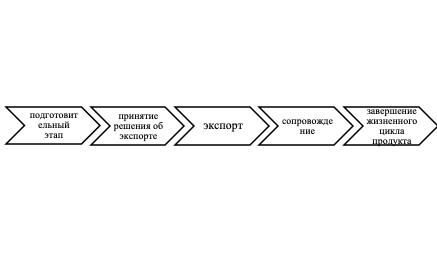
Рисунок 1. Визуализация предложенной организационной модели
Таблица 1 Организационная модель экспорта ИИ-решений: характеристика этапов
Table 1
The organization model of exporting AI solutions: characteristics of the stages
|
№
|
Этап
|
Цель
|
Описание
этапа
|
Вход
|
Выход
|
Показатели
эффективности
|
|
1
|
Подготовительный
|
Формирование экспортной
версии готового продукта
|
Определение
экспортного продукта и его ценностного предложения; классификация продукта;
анализ чувствительности продукта к экспорту |
Решение о выходе
на внешний рынок;
разработанный ИИ-продукт |
Сформированный
экспортный продукт
|
Период на
подготовку продукта к экспорту;
Уровень готовности продукта к экспорту;
Степень локализации продукта;
Наличие документации (сертификаты, лицензии и т.д.) и др.
|
|
2
|
Принятие решения
об экспорте
|
Принятие решения
о целесообразности экспорта и разработка экспортной стратегии
|
Анализ целевых
зарубежных рынков, выбор рынка/рынков для экспорта; оценка экспортного
потенциала и разработка экспортной стратегии
|
Сформированный
экспортный продукт;
Информация о целевых рынках
|
Решение об
экспорте продукта: начать / отказаться / отложить;
выбранные рынки для экспорта; план мероприятий |
Время на
принятие решения о целесообразности экспорта;
Стоимость принятия решения об экспорте;
Уровень экспортного потенциала продукта; Обоснованность рынка для экспорта; Наличие экспортной стратегии и др. |
|
3
|
Экспорт продукта
|
Реализация
экспортной стратегии и внедрение ИИ-решения на зарубежном рынке
|
Поиск клиентов,
переговоры, заключение контрактов, локализация и адаптация решения, внедрение
и тестовая эксплуатация
|
Выбранный рынок
для экспорта;
готовый продукт; план мероприятий для экспорта |
Заключенный
контракт, ИИ-решение внедрено у зарубежного заказчика
|
Срок ведения
переговоров с Заказчиком до заключения контракта;
Количество заключенных контрактов к общему количеству сформированных коммерческих предложений; Время на внедрение ИИ-решения; Объем экспортной выручки и др. |
|
4
|
Сопровождение
продукта
|
Обеспечение
стабильной эксплуатации и развития ИИ-решения на зарубежном рынке
|
Техническая
поддержка, мониторинг работы продукта, дообучение модели, обновление и
модернизация решений, управление инфраструктурой
|
Внедренное
ИИ-решение;
Действующий контракт;
Инфраструктура поддержки;
Характеристика и особенности ИИ-решения
|
Устойчивое
функционирование системы и удовлетворенность Заказчика
|
Время отклика
поддержки на запрос пользователя;
Время исправления ошибки; Количество запросов в поддержку в период времени; Количество обновлений за период; Уровень удовлетворенности Заказчика и др. |
|
5
|
Завершение ЖЦ
продукта
|
Контролируемое
завершение эксплуатации продукта или его трансформация
|
Корректное
завершение контрактных обязательств; вывод системы из эксплуатации;
архивирование данных; анализ результатов проекта; возможная модернизация или
архитектурная переработка продукта
|
Действующий
контракт;
Результаты эксплуатации системы;
Потребности Заказчика в части модернизации / переработки продукта
|
Завершение
проекта;
Новая версия продукта
|
Доля продленных
контрактов;
Затраты на завершение проекта;
Время на завершение проекта;
Уровень удовлетворенности Заказчика;
Сохранение партнерских отношений с Заказчиком и др.
|
Ключевое отличие предложенной модели от существующих – смещение фокуса на подготовительный этап и этап сопровождения продукта, который по сути своей становится центром прибыли и удержания зарубежного заказчика и становится неотъемлемым условием продвижения ИИ-решений на внешние рынки.
В рамках подготовительного этапа формируется идея экспансии на внешние рынки и определяется продукт (или его версия), предназначенный для экспорта. В контексте ИИ-решений необходимо определить их значимые как функциональные, так и маркетинговые характеристики. Если для функциональных характеристик можно воспользоваться классификацией, представленной в ГОСТ Р 59277–2020 [18], то для маркетинговых необходимо учитывать следующие:
- ценность предложения: решение какой проблемы клиента (заказчика) обеспечивает ИИ, почему предлагаемый продукт лучше существующих альтернатив, какой результат и эффект (в т.ч. экономический) может получить заказчик и т.д.;
- форма технологической реализации: аппаратные решения с интегрированными ИИ-компонентами, программные ИИ-продукты, программно-аппаратные комплексы, платформенные и экосистемные ИИ-решения;
- тип реализации: облачный сервис, локальное развертывание у клиента, встраиваемый модуль, проект под заказчика и др.;
- особенности ИИ-решения, чувствительное к экспорту: насколько экспортируемое решение зависит от языка, локального нормативного законодательства, зависимость самой технологии от уровня технологического развития и наличия соответствующей инфраструктуры в стране размещения и т.д.
Результатом данного этапа является подготовленный продукт с учетом нормативных, институциональных и рыночных требований.
Стратегически важным является этап принятия решений об экспорте ИИ-решений, поскольку именно на этом этапе формируется целесообразность выхода на внешний рынок и закладываются параметры всех последующих действий. Чаще всего решение об экспорте связано не с разовой коммерческой операцией, а с изменением масштаба и модели деятельности всей организации. Поэтому от качества выполнения данного этапа во многом будет зависеть успешность и эффективность экспорта, а также текущая деятельность экономического агента. Данный этап целесообразно разбить на несколько подэтапов, которые представлены в таблице 2.
Таблица 2 Принятие решения о целесообразности экспорта
Table 2
Making a decision on the expediency of export
|
№
|
Этап
|
Описание этапа
|
|
1
|
Анализ целевых зарубежных рынков
|
Системная оценка потенциальных стран с
целью отбора наиболее перспективных направлений экспорта
|
|
2
|
Оценка экспортного потенциала ИИ-решения
|
Определение степени готовности экономического
агента
|
|
3
|
Разработка и выбор сценария реализации экспортной стратегии
|
Формирование системы мероприятий и
управленческих решений, направленных на обеспечение устойчивой и экономически
эффективной экспортной деятельности
|
Каждый из перечисленных подэтапов представляет собой большой объем работы, связанной со сбором информации, ее обработкой и анализом. При анализе целевых рынков необходимо оценить цифровой ландшафт выбранной страны и провести факторный анализ. Перечень рассматриваемых факторов представлен в таблице 3.
Таблица 3 Ключевые рыночные факторы
Table 3
Key market factors
|
Рыночные
- оценка уровня рыночного спроса и рыночной емкости; - оценка конкурентной среды; - оценка уровня риска при выходе на рынок - экономическая стабильность; - оценка барьеров выхода на рынок; - тип потребителя (заказчика) в регионе (B2B, B2C, B2G) |
Правовые
- анализ нормативно-правовой среды; - перечень требований по сертификации продукции; - режим интеллектуальной собственности; - законодательство в сфере трансграничной передачи данных |
|
Культурные
- анализ менталитета и культурных особенностей страны; |
Инфраструктурные
- уровень технологического развития; - инфраструктура поддержки отрасли; |
Оценка рыночных факторов необходима, так как высокий спрос может быть нивелирован регулированием трансграничной передачи данных, либо низким качеством локальной ИТ-инфраструктуры, либо технологической незрелостью зарубежного заказчика [21].
Перечень рассматриваемых критериев может быть изменен/дополнен рядом других с учетом особенностей экспортируемого решения, например, требований по сертификации продукции, режим интеллектуальной собственности и т.д.
Полученные результаты по выбранным странам можно распределить по группам от «наиболее привлекательных» до «наименее привлекательных». Таким образом, можно сформировать три группы стран для экспорта:
- наиболее перспективные страны с благоприятными условиями;
- страны с относительно благоприятными условиями;
- малоперспективные страны (может быть, в текущий момент) – с неблагоприятными условиями для экспорта.
По результатам отбора можно оставить 1–3 страны, обеспечивающие наибольшую вероятность коммерческого успеха экспорта ИИ-решений при приемлемом уровне рисков и издержек.
Очевидно, что оценка ИИ-решений отличается от оценки традиционных товаров более высокой степенью технологической и регуляторной сложности, зависимости от данных и динамического характера жизненного цикла такого продукта.
Следующим подэтапом является оценка экспортного потенциала ИИ-решений. Для определения экспортного потенциала используются качественные методики, основанные на многофакторном анализе.
Разработка экспортной стратегии предполагает, что проведенный анализ и исследования рынков продемонстрировали положительные выводы о целесообразности экспорта рассматриваемого продукта.
В связи с тем, что экспорт ИИ-решений – это долгосрочная деятельность, отдачу от которой следует ожидать в перспективе от одного до трех лет в зависимости от благоприятного развития событий [22], компания должна быть готова к длительным значительным инвестициям, прежде чем начнет получать доход от экспортной деятельности.
Рассматривая зарубежные рынки и потенциальных заказчиков, компании (экономическому агенту) необходимо формирование не только устойчивого спроса, но и выстраивание доверия с потенциальными заказчиками. Необходимо учитывать менталитет и культуру рассматриваемой страны. Так, для стран Латинской Америки важным моментом будет являться длительный период личных переговоров и физическое присутствие в стране экспорта [23].
С точки зрения внутренних процессов компания должна обеспечить управляемость экспортом: соответствующая инфраструктура, сотрудники, имеющие опыт ведения международного бизнеса, план организационно-технических мероприятий, связанных с последующей поддержкой и сопровождением ИИ-решений.
План организационно-технических мероприятий должен охватывать полный жизненный цикл экспортируемого продукта – от подготовки к экспорту до сопровождения и развития на зарубежных рынках, включая систему управления рисками и инвестиционное обеспечение международной деятельности: быть ресурсообеспеченным, синхронизирован с инвестиционным планом, увязанным с системой целей, а также быть процессно-ориентированным и адаптивным, т.е. иметь возможность оперативно корректироваться.
При разработке плана для экспорта ИИ-решений нужно учитывать, что стратегия экспорта будет определяться тремя ключевыми составляющими (рис. 1).
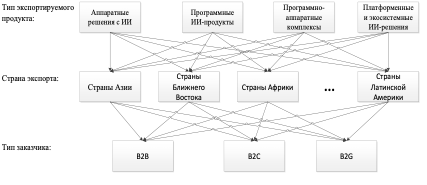
Рисунок 1. Формирование вариантов для выбора модели поведения при экспорте
Источник: разработано авторами.
Figure 1. The options for choosing an export behavior model
Source: elaborated by the authors.
В процессе разработки стратегии об экспорте не исключено, что даже если при оценке экспортного потенциала было принято решение о целесообразности экспорта, разработка плана мероприятий может выявить дополнительные трудности.
Для ИИ-решений данный этап будет иметь более сложную структуру по сравнению с экспортом традиционных товаров, поскольку включает не только поставку, но и интеграцию, адаптацию и запуск интеллектуальной системы в эксплуатацию. Процесс локализации и адаптации включает адаптацию интерфейса, настройку под локальные данные, в том числе дообучение модели, интеграцию с информационными системами заказчика с последующим пилотированием и тестовой эксплуатацией. С учетом перечисленных особенностей, становится очевидно, что организациям важно заранее учесть эти особенности и обеспечить их выполнение, например, открыть представительство в стране экспорта или направить туда своих специалистов на длительный срок. Это становится необходимым и для обеспечения перехода на следующий этап, связанный с сопровождением.
Сопровождение ИИ-решения в процессе эксплуатации – этап, имеющий стратегическое решение для ИИ-продукции, обеспечивающий стабильное функционирование, развитие и коммерческую устойчивость на зарубежном рынке [18] (Sorokina, Kulakov, Karlovskaya, 2025).
Компания должна учесть особенности сопровождения для различных типов ИИ-решений, к которым можно отнести:
- постоянный мониторинг инфраструктуры;
- обновление системы с заданной периодичностью, обеспечение работы;
- управление облачными ресурсами;
- сервисное обслуживание оборудования;
- дообучение модели и т.д.
Этап сопровождения ИИ-решений представляет собой совокупность организационно-технических и экономических мероприятий, направленных на обеспечение устойчивой эксплуатации, адаптации и развития продукта на зарубежном рынке.
Принятие управленческого решения о прекращении эксплуатации ИИ-решения может обеспечить контроль, а также экономически и юридически корректное завершение эксплуатации продукта. Но в некоторых случаях для ИИ-решений характерна модернизация, переобучение или архитектурная переработка продукта. В этом случае завершение жизненного цикла не будет являться окончанием деятельности, а всего лишь выступит элементом непрерывного цикла обновления и инновационного развития экспортного портфеля компании.
Представленную организационную модель можно рассматривать, как основу для разработки методики экспорта ИИ-решений в конкретных организационных условиях предприятия. Разработанная процессная модель учитывает высокую степень неопределенности, а представленный алгоритм (рис. 2) построен как итеративный контур. На этапе сопровождения сбор данных о поведении пользователей может послужить обратной связью для первого этапа и «пересборки» продукта под новые требования.
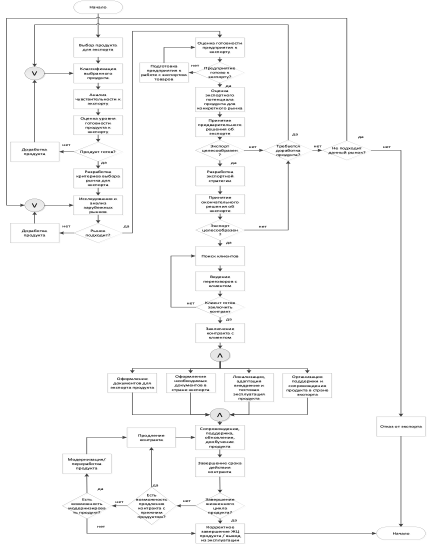
Рисунок 2. Алгоритм разработанной организационной модели экспорта
Источник: разработано авторами.
Figure 2. The algorithm of the organization export model
Source: elaborated by the authors.
Предложенная модель позволяет сделать процесс экспорта управляемым, что критически важно для масштабирования ИИ-решений.
Интерпретация и обсуждение результатов
Предложенная организационная модель экспорта ИИ-решений представляет собой попытку формализовать деятельность отечественных компаний – разработчиков ИИ-решений на внешних рынках, объединяя положения теории приятия решений и процессного подхода. По сравнению с традиционными моделями экспорта товаров, где ключевым этапом является этап поставки (логистика), в разработанной модели учитываются особенности ИИ-решений как сервисного продукта (AI-as-a-service) и акцент смещается на этапы адаптации, сопровождения и утилизации. Такая модель принципиально трансформирует структуры экспортных доходов: в основе финансовой модели – оплата подписки либо оплата за количество обработанных запросов. Несмотря на то, что повышается «стоимость жизненного цикла клиента», необходимо соблюдать требования по бесперебойной работе сервиса, что, в свою очередь, влияет на репутацию и доходы экспортера.
Гипотеза о том, что наибольшей неопределенностью является этап «экспорт ИИ-решения», подтверждается, так как здесь возникают неопределенности как рыночного, так и технологического характера. В отличие от традиционного ПО, локализация ИИ-решений требует доступа к репрезентативным данным заказчика, их очистке, валидации, разметке, дообучению. Создается «узкое место», где пересекаются проблемы кибербезопасности, трансграничной передачи данных (cross-border data flows) и требования локального регулирования [19] (Filipova, 2023). Реализация этого этапа выступает своеобразной переломной точкой, где успешный результат зависит не только от качества исходного кода, сколько от способности экспортера выстроить всю архитектуру взаимодействий с зарубежным заказчиком.
В этом случае возможны несколько альтернативных сценариев развития событий: создание локальной версии продукта с обучением модели на данных заказчика, так называемая полная адаптация. Этот сценарий максимизирует точность решений, но требует значительных временных и вычислительных ресурсов. Второй сценарий – «облачный шлюз» – предполагает обработку данных на серверах экспортера, но может не соответствовать местному законодательству о защите данных. Третий сценарий – гибридный – предполагает развертывание основной модели на серверах заказчика, но с периодической синхронизацией и дообучением в облаке экспортера. Выбор конкретного сценария зависит от сочетания правовых норм и технической зрелости заказчика, что определяет многовариантность разработанной процессной модели.
По сравнению с работами других авторов [6] (Efremov, Nosova, 2025), [13] (Savinov, Rimkevich, 2020), которые анализируют только барьеры входа (тарифные, нетарифные), разработанная модель дополняет их анализом барьеров «поствхода» – учитываются аспекты долгосрочной технической поддержки, необходимость локализации, решения вопроса с передачей данных, их дообучения в случае необходимости, а также постоянной адаптации модели под требования заказчика.
В свою очередь, эти процессы будут влиять и на изменения в организационной модели компании-экспортера, создания гибридной структуры, совмещающей функции отдела НИОКР с функциями сервисного обслуживания, что может быть реализовано через механизмы технологического партнерства [20] (Chekadanova, 2018). Такой подход позволит распределить риски, связанные с локальным контекстом, и снизить потребность в физическом присутствии сотрудников компании-экспортера в стране заказчика.
Ограничением данного исследования является его концептуальный характер. Предложенная модель требует эмпирической проверки на примере конкретных российских компаний – экспортеров ИИ-решений в страны, рекомендованные РЭЦ [24] (Российский экспортный центр). Дальнейшие исследования должны быть направлены на разработку методики расчета весовых коэффициентов для критериев выбора рынка, а также на создание математической модели, оценивающей оптимальное соотношение глубины локализации (дообучения модели) и стоимости выхода на рынок. Решение этих задач позволит минимизировать риски отрицательной рентабельности экспортеров.
Заключение
В настоящей работе экспорт ИИ-решений представлен как цикличный процесс, состоящий из 5 этапов: подготовительный, принятие решений, экспорт, сопровождение и завершение жизненного цикла ИИ-решения. Такой фреймворк, основанный на процессном моделировании и концептуальных положениях теории принятия решений, позволяет учитывать специфику ИИ-решений при экспорте.
Обосновано, что этап «экспорт продукта» является наиболее неопределенным и ресурсоемким, что требует от компаний-экспортеров инвестиций и формирования финансовых резервов на техническое сопровождение и дообучение моделей даже на стадии заключения контракта.
Разработанная модель может служить основой для формирования корпоративных стратегий интернационализации для российских разработчиков ИИ-решений, а также быть использована институтами развития для проектирования мер поддержки, ориентированных не только на поиск партнера, но и на софинансирование этапов постпродажной адаптации и сертификации ИИ-решений за рубежом.
Таким образом, предложенная организационная модель заполняет существующий пробел в теории и практике управления экспортом [4] (Aronov, Rybakova, Ivanov, 2024), адаптируя классические управленческие подходы к реалиям цифровой экономики и специфике технологий искусственного интеллекта. Дальнейшая валидация модели на эмпирических данных позволит уточнить взаимосвязи между этапами и разработать отраслевые стандарты для экспорта российского высокотехнологичного программного обеспечения.
[1] http://government.ru/rugovclassifier/922/events/ (дата обращения: 08.03.2026).
[2] http://www.kremlin.ru/acts/news/73986?erid=2SDnjc45hpG&ysclid=mmv09fa18t743453387 (дата обращения 10.03.2026).
[3] https://www.cnews.ru/news/top/2024-01-12_rossijskij_it-eksport_padaet?ysclid=mmv0d93h48380519516 (дата обращения: 15.03.2026).
[4] Икбаев Д., Емельянцев Д. McKinsey: К 2030 году вклад ИИ в мировой ВВП достигнет $13–20 трлн // Forbes Казахстан. 2024. 6 июля. URL: https://forbes.kz/articles/mckinsey-k-2030-godu-vklad-ii-v-mirovoy vvp-dostignet-13-20-trln-824162 (дата обращения: 08.03.2026).
[5] https://catalog.data.gov/dataset/national-artificial-intelligence-research-and-development-strategic-plan-2023-update (дата обращения: 15.03.2026).
[6] https://digichina.stanford.edu/work/full-translation-chinas-new-generation-artificial-intelligence-development-plan-2017/ (дата обращения: 15.03.2026).
[7] Министерство цифрового развития РФ. Available at: https://digital.gov.ru/news/razvitie-it-otrasli-czifry-i-tendenczii (accessed 07.03.2026).
[8] Институт статистических исследований и экономики знаний НИУ ВШЭ. Available at: https://issek.hse.ru/news/1037622972.html (accessed 07.03.2026).
[9] Альманах Искусственный Интеллект № 13, Индекс ИИ 2023 // Центр компетенций НТИ по направлению «Искусственный интеллект». URL: https://www.aireport.ru/ai_index_russia-2023 (дата обращения: 14.03.2026).
[10] Here’s how leading strategy teams are successfully driving generative AI adoption in their organizations // CBInsights Research Report. January 16. 2025. URL: https://www.cbinsights.com/research/report/ corporate-strategy-generative-ai-adoption-success (дата обращения: 05.03.2026).
[11] Исследование «Руссофт»: Краткий обзор состояния экспорта программного обеспечения из России - CNews (дата обращения: 05.03.2026).
[12] Российские технологии за рубежом: как отечественные компании осваивают внешние рынки – Информационный промышленный сайт (дата обращения: 05.03.2026).
[13] AH4x6HgKWANwVtMOfPDhcbRpvd1HCCsv.pdf (дата обращения: 08.03.2026).
[14] http://government.ru/rugovclassifier/922/events/ (дата обращения: 08.03.2026).
[15] РСМД : Экспорт российских технологических решений в Латинскую Америку (дата обращения: 12.03.2026).
[16] Блог Нейролаб: последние новости и инновации в ИИ (дата обращения: 10.03.2026).
[17] Блог Нейролаб: последние новости и инновации в ИИ (дата обращения: 10.03.2026).
[18] gost_r_59277-2020.pdf (10.03.2026).
[19] РСМД :: Экспорт российских технологических решений в Латинскую Америку (дата обращения: 12.03.2026).
[20] Проектный офис Службы «цифровой атташе» (дата обращения: 09.03.2026).
[21] Блог Нейролаб: последние новости и инновации в ИИ (дата обращения: 10.03.2026).
[22] Блог Нейролаб: последние новости и инновации в ИИ (дата обращения: 10.03.2026).
[23] РСМД :: Экспорт российских технологических решений в Латинскую Америку (дата обращения: 12.03.2026).
[24] Российский экспортный центр (дата обращения: 15.03.2026).
Источники:
2. Аминов Х. И., Крикухин И. Ю., Захарова А. В. Основные барьеры и направления применения технологий искусственного интеллекта в международном бизнесе // Экономика и управление. – 2023. – № 3. – c. 280–287. – doi: 10.35854/1998-1627-2023-3-280-287.
3. Аносова Л. А., Кабир Л. С. Приоритеты и направления национального развития в сфере поддержки несырьевого экспорта // Экономика и управление. – 2023. – № 1. – c. 4–10. – doi: 10.35854/1998-1627-2023-1-4-10.
4. Аронов И.З., Рыбакова А.М., Иванов А.В. Модификация гравитационной модели внешней торговли с учетом инфраструктуры качества экономик // Российский внешнеэкономический вестник. – 2024. – № 10. – c. 7–24.
5. Бром А.Е., Третьякова В.А. Разработка средств стратегического планирования предприятием на уровне бизнес-процессов // Компетентность. – 2023. – № 8. – c. 38–43.
6. Ефремов А.А., Носова В.А. Меры стимулирования развития экспорта информационных технологий в России: состояние и потребности их правовой поддержки // Вопросы государственного и муниципального управления. – 2025. – № 3. – c. 151–182. – doi: 10.17323/1999-5431-2025-0-3-151-182.
7. Канеман Д., Словик П., Тверски А. Принятие решений в неопределенности: Правила и предубеждения. - Харьков: Издательство Институт прикладной психологии Гуманитарный Центр, 2005. – 632 c.
8. Корнилова Т. В. Методологические проблемы психологии принятия решений // Психологический журнал. – 2005. – № 1. – c. 7-17.
9. Ларичев О. И. Теория и методы принятия решений. - М., 2006. – 296 c.
10. Моросанова В. И., Индина Т. А. Регуляторные и личностные основы принятия решений. - М.; СПб.: Нестор-История, 2011.
11. Орлов А. И. Теория принятия решений. - М.: Ай Пи Ар Медиа, 2022. – 826 c.
12. Саати Т. Принятие решений при зависимостях и обратных связях: Аналитические сети. / Пер. с англ. - М., 2021. – 360 c.
13. Савинов Ю.А., Римкевич С.В. Структура и динамика российского экспорта услуг на рынке информационных технологий // Российский внешнеэкономический вестник. – 2020. – № 6. – c. 25–40.
14. Садриев А. Р., Лукишина Л. В., Маъруфи М. Взаимосвязь изобретательской активности и структуры национального экспорта // Экономика и управление. – 2020. – № 4. – c. 366–372. – doi: 10.35854/1998-1627-2020-4-366-372.
15. Саймон Г. А. Теория принятия решений в экономической теории и в науке о поведении. / Вехи экономической мысли. Т. 2. Теория фирмы / Под ред. В. М. Гальперина. - СПб.: Экономическая школа, 2000. – 54–72 c.
16. Сергеева Н. В. Использование технологий искусственного интеллекта в международном бизнесе как ответ на вызовы чрезвычайных ситуаций // Экономика. Налоги. Право. – 2022. – № 2. – c. 72-79. – doi: 10.26794/1999-849X-2022-15-2-72-79.
17. Смагина В. И., Юдин И. О. Технологические тренды, определяющие цифровую трансформацию в экономике // Научные труды Вольного экономического общества России. – 2025. – № 2. – c. 198–212. – doi: 10.38197/2072-2060-2025-252-2-198-212.
18. Сорокина Л. А., Кулаков М. В., Карловская С. Б. Сценарии развития трансграничного бизнеса в сфере генеративного искусственного интеллекта // Экономика и управление. – 2025. – № 10. – c. 1289–1301. – doi: 10.35854/1998-1627-2025-10-1289-1301.
19. Филипова И. А. Искусственный интеллект: европейский подход к регулированию // Журнал зарубежного законодательства и сравнительного правоведения. – 2023. – № 2. – c. 54–65. – doi: 10.12737/jzsp.2023.022.
20. Чекаданова М.В. Мировой опыт стимулирования развития кластеров в электронной отрасли // МИР (Модернизация. Инновации. Развитие). – 2018. – № 1. – c. 98–107.
21. Чернова О.А. Возможности искусственного интеллекта в продуктово-сервисных системах промышленных компаний // Управленец. – 2025. – № 4. – c. 70–86.
22. Шварц Б. Парадокс выбора: почему «больше» значит меньше. / пер. с англ. Д. Скворцов. - М.: Добрая книга, 2005.
23. Яковлев И. А., Кабир Л. С., Барашенков В. В. Несырьевой экспорт развитых и развивающихся стран: основные способы поддержки и сложности современного этапа // Экономика и управление. – 2022. – № 10. – c. 970–984. – doi: 10.35854/1998-1627-2022-10-970-984.
24. Andersen O. On the internationalization process of firms: A critical analysis // Journal of International Business Studies. – 1993. – № 2. – p. 209-231.
25. Autio E., Mudambi R., Yoo Y. Digitalization and globalization in a turbulent world: Centrifugal and centripetal forces // Global Strategy Journal. – 2021. – № 1. – p. 3-16.
26. Bilkey W. J., Tesar G. The export behavior of smaller-sized Wisconsin manufacturing firms // Journal of International Business Studies. – 1977. – № 1. – p. 93-98.
27. Cavusgil S. T. On the internationalization process of firms // European Research. – 1980. – № 6. – p. 273-281.
28. Coviello N., Kano L., Liesch P. W. Adapting the Uppsala model to a modern world // Journal of International Business Studies. – 2017. – № 9. – p. 1151-1164.
29. Garg S., Nativa M., Ghosh J. Artificial Intelligence as an Emerging Technology in Global Trade. / Research Anthology on Macroeconomics and the Achievement of Global Stability. - Hershey: IGI Global, 2022. – 604–623 p.
30. Goswami P., Shraddha S. (2025). Smart Trade: The Legal Web of Blockchain and AI in Global Supply Chains. Proceedings of the National Seminar on Enhancing Privacy Protection in the Digital Age (NSEPPDA 2025). [Электронный ресурс]. URL: https://ssrn.com/abstract=5559038. http://dx.doi.org/10.2139/ssrn.5559038 (дата обращения: 07.08.2026).
31. Johanson J., Mattsson L.-G. (1988). Internationalization in industrial systems // Strategies in global competition / Ed. by N. Hood, J.-E. Vahlne. Croom Helm. P. 287–314.
32. Johanson J., Vahlne J.-E. The internationalization process of the firm // Journal of International Business Studies. – 1977. – № 1. – p. 23-32.
33. Johanson J., Vahlne J.-E. The Uppsala internationalization process model revisited // Journal of International Business Studies. – 2009. – № 9. – p. 1411–1431.
34. Justin P., Ibrahim A., Nasser B., Prakash S. Digital entrepreneurship research: A systematic review // Journal of Business Research. – 2023. – p. 113507.
35. Kim Y., Gretz R. T., Basuroy S. Applying the latest Uppsala model to digital products: An empirical investigation of app internationalization via app updates // International Marketing Review. – 2025. – № 1. – p. 64-82.
36. Knight G. A., Cavusgil S. T. Innovation, organizational capabilities, and the born-global firm // Journal of International Business Studies. – 2004. – № 2. – p. 124–141.
37. Liesch P. W., Welch C. Asynchronicities of growth: A process extension to the Uppsala model of internationalization // Journal of International Business Studies. – 2024. – № 6. – p. 796-804.
38. Merchant K. A., Van der Stede W. A. (2017). Management control systems: Performance measurement, evaluation, and incentives. 4th ed. Pearson.
39. Miller T., Durlik I. When models fail: trustworthy anomaly detection under distributional drift via dual-layer monitoring of data and AI behavior // Applied Sciences. – 2026. – p. 1-25. – doi: 10.3390/app16115293.
40. Oviatt B. M., McDougall P. P. Toward a theory of international new ventures // Journal of International Business Studies. – 1994. – № 1. – p. 45-64.
41. Ozturk O. The Impact of AI on International Trade: Opportunities and Challenges // Economies. – 2024. – № 11. – p. 298. – doi: 10.3390/economies12110298.
42. Perc M., Mahmut O., Hojnik J. Social and juristic challenges of artificial intelligence // Palgrave Communications. – 2019. – p. 61.
43. Rialp A., Rialp J., Knight G. A. The phenomenon of early internationalizing firms // International Business Review. – 2005. – № 2. – p. 147–166.
44. Roque A., Alves M., Raposo M. Internationalization strategies revisited: Main models and approaches // IBIMA Business Review. – 2019.
45. Saha Ch., Reshmi M., Sudha M. P., Santosh Y., Hasi S., Dongol P. The Impact of Artificial Intelligence on Business Strategy and Decision-Making Processes // European Economic Letters. – 2023. – p. 926-934.
46. Schmeisser B., Saebi T., Schotter A. P. J., Gooderham P. The digital transformation of international business: A conceptualization, multidisciplinary review, and research agenda // Journal of World Business. – 2025.
47. Stallkamp M., Schotter A. P. J. Platforms without borders? // Journal of International Business Studies. – 2021. – № 9. – p. 1603-1628.
48. Surdu I., Mellahi K., Glaister K. W. Emerging market multinationals // International Business Review. – 2019. – № 2. – p. 356-369.
49. Tortorella G. L., Fogliatto F. S., Cauchick-Miguel P. A., Kurnia S., Jurburg D. Integration of Industry 4.0 technologies into total productive maintenance practices // International Journal of Production Economics. – 2021. – p. 108224.
50. Verbeke A., Ciravegna L. International entrepreneurship research versus international business research // Journal of International Business Studies. – 2018. – № 4. – p. 387–403.
51. Yang B., Bai W., Chen Y., Rong K. Internationalization of digital firms: A systematic review and research agenda // Journal of Business Research. – 2025. – p. 115124.
Страница обновлена: 27.10.2026 в 22:51:19
Download PDF | Downloads: 4
The process model for exporting AI solutions
Tretiakova V.A., Tkachenko A.I., Gorlacheva E.N.Journal paper
Informatization in the Digital Economy
Volume 7, Number 3 (July-september 2026)
Abstract:
The expansion of non-primary exports and ensuring their competitiveness is a system-forming priority of the Russian economy, which sets the vector of development for high-tech industries. One of the strategic directions of Russia's non-resource exports is the export of domestic AI solutions. This involves the difficulty of accounting for multiple barriers. The article aims to develop a process model for exporting AI solutions, which allows structuring the stages of entering foreign markets. The methodological basis of the research includes the provisions of the theory of managerial decision-making and process modeling. In the course of the research, general theoretical methods of analysis, synthesis, qualitative interpretation of the proposed stages, as well as strategic marketing tools were applied.
The information base of the study is based on available regulatory and analytical documents on the export of AI solutions. As a result of the research, a five-stage export process model is proposed. The model defines a critical stage – the export of a product characterized by the greatest risks and uncertainty. The developed algorithm links management decisions with the probability of successful adaptation of the product to foreign markets. The results obtained allow to conclude that the most likely scenario is the localization of AI solutions by large players, and the key challenge for Russian companies is overcoming external constraints at each stage of the proposed model.
Keywords: process approach, strategic marketing, foreign markets, export models, AI solutions, AI product localization
JEL-classification: L51, L52, O25
References:
Aleksanov K. N., Pakhalov A. M., Sheresheva M. Yu. (2025). Factors in Consumer Loyalty to Brands, Retail Chains, and Private Labels. The Manager. 16 (6). 51-68. doi: 10.29141/2218-5003-2025-16-6-4.
Aminov Kh. I., Krikukhin I. Yu., Zakharova A. V. (2023). Major Obstacles and Directions for the Application of Artificial Intelligence in International Business. Economics and Management. 29 (3). 280–287. doi: 10.35854/1998-1627-2023-3-280-287.
Andersen O. (1993). On the internationalization process of firms: A critical analysis Journal of International Business Studies. 24 (2). 209-231.
Anosova L. A., Kabir L. S. (2023). Priorities and Directions of National Development in Supporting Non-Resource Exports. Economics and Management. 29 (1). 4–10. doi: 10.35854/1998-1627-2023-1-4-10.
Aronov I.Z., Rybakova A.M., Ivanov A.V. (2024). Modification of Foreign Trade Gravity Model Considering the Quality Infrastructure. Russian Foreign Economic Bulletin. (10). 7–24.
Autio E., Mudambi R., Yoo Y. (2021). Digitalization and globalization in a turbulent world: Centrifugal and centripetal forces Global Strategy Journal. 11 (1). 3-16.
Bilkey W. J., Tesar G. (1977). The export behavior of smaller-sized Wisconsin manufacturing firms Journal of International Business Studies. 8 (1). 93-98.
Brom A.E., Tretiakova V.A. (2023). Strategic Planning Tools’ Development by the Enterprise at the Business Processes’ Level. Kompetentnost. (8). 38–43.
Cavusgil S. T. (1980). On the internationalization process of firms European Research. 8 (6). 273-281.
Chekadanova M.V. (2018). World Experience in Stimulating the Development of Clusters in the Electronic Industry. MIR (Modernization. Innovation. Research). 9 (1). 98–107.
Chernova O.A. (2025). The Potential of Artificial Intelligence in Industrial Companies’ Product-Service Systems. The Manager. 16 (4). 70–86.
Coviello N., Kano L., Liesch P. W. (2017). Adapting the Uppsala model to a modern world Journal of International Business Studies. 48 (9). 1151-1164.
Efremov A.A., Nosova V.A. (2025). Incentive Measures for the Development of Information Technology Exports in Russia: The State and Needs of Their Legal Support. Public administration issues. (3). 151–182. doi: 10.17323/1999-5431-2025-0-3-151-182.
Filipova I. A. (2023). Artificial Intelligence: A European Approach to Regulation. Zhurnal zarubezhnogo zakonodatelstva i sravnitelnogo pravovedeniya. 19 (2). 54–65. doi: 10.12737/jzsp.2023.022.
Garg S., Nativa M., Ghosh J. (2022). Artificial Intelligence as an Emerging Technology in Global Trade
Goswami P., Shraddha S. (2025). Smart Trade: The Legal Web of Blockchain and AI in Global Supply ChainsProceedings of the National Seminar on Enhancing Privacy Protection in the Digital Age (NSEPPDA 2025). Retrieved August 07, 2026, from https://ssrn.com/abstract=5559038. http://dx.doi.org/10.2139/ssrn.5559038
Johanson J., Mattsson L.-G. (1988). Internationalization in industrial systems // Strategies in global competition / Ed. by N. Hood, J.-E. Vahlne. Croom Helm. P. 287–314.
Johanson J., Vahlne J.-E. (1977). The internationalization process of the firm Journal of International Business Studies. 8 (1). 23-32.
Johanson J., Vahlne J.-E. (2009). The Uppsala internationalization process model revisited Journal of International Business Studies. 40 (9). 1411–1431.
Justin P., Ibrahim A., Nasser B., Prakash S. (2023). Digital entrepreneurship research: A systematic review Journal of Business Research. 156 113507.
Kaneman D., Slovik P., Tverski A. (2005). Decision-making in Uncertainty: Rules and Biases
Kim Y., Gretz R. T., Basuroy S. (2025). Applying the latest Uppsala model to digital products: An empirical investigation of app internationalization via app updates International Marketing Review. 42 (1). 64-82.
Knight G. A., Cavusgil S. T. (2004). Innovation, organizational capabilities, and the born-global firm Journal of International Business Studies. (2). 124–141.
Kornilova T. V. (2005). Methodological Problems of Decision Making Psychology. Psychological journal. 26 (1). 7-17.
Larichev O. I. (2006). Theory and methods of decision-making
Liesch P. W., Welch C. (2024). Asynchronicities of growth: A process extension to the Uppsala model of internationalization Journal of International Business Studies. 55 (6). 796-804.
Merchant K. A., Van der Stede W. A. (2017). Management control systems: Performance measurement, evaluation, and incentives. 4th ed. Pearson.
Miller T., Durlik I. (2026). When models fail: trustworthy anomaly detection under distributional drift via dual-layer monitoring of data and AI behavior Applied Sciences. 16 1-25. doi: 10.3390/app16115293.
Morosanova V. I., Indina T. A. (2011). Regulatory and personal decision-making frameworks
Orlov A. I. (2022). Theory of decision-making
Oviatt B. M., McDougall P. P. (1994). Toward a theory of international new ventures Journal of International Business Studies. 25 (1). 45-64.
Ozturk O. (2024). The Impact of AI on International Trade: Opportunities and Challenges Economies. 12 (11). 298. doi: 10.3390/economies12110298.
Perc M., Mahmut O., Hojnik J. (2019). Social and juristic challenges of artificial intelligence Palgrave Communications. 5 61.
Rialp A., Rialp J., Knight G. A. (2005). The phenomenon of early internationalizing firms International Business Review. 14 (2). 147–166.
Roque A., Alves M., Raposo M. (2019). Internationalization strategies revisited: Main models and approaches IBIMA Business Review. 2019
Saati T. (2021). Decision-making with dependencies and feedbacks: Analytical networks
Sadriev A. R., Lukishina L. V., Marufi M. (2020). The Relationship Between Inventive Activity and National Export Structure. Economics and Management. 26 (4). 366–372. doi: 10.35854/1998-1627-2020-4-366-372.
Saha Ch., Reshmi M., Sudha M. P., Santosh Y., Hasi S., Dongol P. (2023). The Impact of Artificial Intelligence on Business Strategy and Decision-Making Processes European Economic Letters. 13 926-934.
Savinov Yu.A., Rimkevich S.V. (2020). The Structure and Changes in Russia’s Exports of Information Technology Services. Russian Foreign Economic Bulletin. (6). 25–40.
Saymon G. A. (2000). The theory of decision-making in economic theory and in the science of behavior
Schmeisser B., Saebi T., Schotter A. P. J., Gooderham P. (2025). The digital transformation of international business: A conceptualization, multidisciplinary review, and research agenda Journal of World Business.
Sergeeva N. V. (2022). The Use of Artificial Intelligence Technologies in International Business as a Response to Emergency Challenges. Economy. Taxes. Law. 15 (2). 72-79. doi: 10.26794/1999-849X-2022-15-2-72-79.
Shvarts B. (2005). The Paradox of choice: why more means less
Smagina V. I., Yudin I. O. (2025). Technological Trends Shaping Digital Transformation in the Economy. Scientific papers of the Free Economic Society of Russia. 252 (2). 198–212. doi: 10.38197/2072-2060-2025-252-2-198-212.
Sorokina L. A., Kulakov M. V., Karlovskaya S. B. (2025). Scenarios for the Development of Cross-Border Business in the Field of Generative Artificial Intelligence. Economics and Management. 31 (10). 1289–1301. doi: 10.35854/1998-1627-2025-10-1289-1301.
Stallkamp M., Schotter A. P. J. (2021). Platforms without borders? Journal of International Business Studies. 52 (9). 1603-1628.
Surdu I., Mellahi K., Glaister K. W. (2019). Emerging market multinationals International Business Review. 28 (2). 356-369.
Tortorella G. L., Fogliatto F. S., Cauchick-Miguel P. A., Kurnia S., Jurburg D. (2021). Integration of Industry 4.0 technologies into total productive maintenance practices International Journal of Production Economics. 240 108224.
Verbeke A., Ciravegna L. (2018). International entrepreneurship research versus international business research Journal of International Business Studies. 49 (4). 387–403.
Yakovlev I. A., Kabir L. S., Barashenkov V. V. (2022). Non-Resource Exports of Developed and Developing Countries: Major Support Measures and Challenges of the Current Stage. Economics and Management. 28 (10). 970–984. doi: 10.35854/1998-1627-2022-10-970-984.
Yang B., Bai W., Chen Y., Rong K. (2025). Internationalization of digital firms: A systematic review and research agenda Journal of Business Research. 189 115124.