
Хронология развития государственных стратегий в области цифровизации социальной сферы: эффекты, цифровое время
Мухачёва А.В.1 
1 Российский экономический университет им. Г.В. Плеханова, Москва, Россия
Скачать PDF | Загрузок: 18
Статья в журнале
Экономика, предпринимательство и право (РИНЦ, ВАК)
опубликовать статью | оформить подписку
Том 16, Номер 3 (Март 2026)
Эта статья проиндексирована РИНЦ, см. https://elibrary.ru/item.asp?id=89188445 [89188445]
Аннотация:
Актуальность исследования определяется необходимостью систематизации мирового опыта цифрового развития государств с целью трансляции передовых практик в этой области. Целью данной статьи является изучение хронологии развития государственных стратегий в области цифровизации социальной сферы, возникающих на этой основе положительных и отрицательных эффектов (экстерналий), а также рассмотрение цифрового времени как ключевого фактора проводимых преобразований. Методы исследования представлены анализом, синтезом, систематизацией и формализацией.
Представлена систематизация стратегий цифрового развития стран Европы, США, Китая, Бразилии, Индии, Казахстана, Кении. Проведен их сопоставительный анализ, описаны технологии и экстерналии цифровизации сферы занятости, обеспечения экологической безопасности, формировании цифрового неравенства граждан, стран и регионов, рассмотрен феномен социального ускорения. Автором выявлена взаимосвязь скорости внедрения цифровых технологий в экономику и социальную сферу стран мира и достигнутых результатов цифрового развития, предложено рассмотрение «цифрового времени» как фактора развития цифрового потенциала территории. Результаты исследования позволили провести анализ цифрового развития государств с позиции комплексности и оперативности цифровых преобразований экономики и социальной сферы, выявить лучшие практики, описать известные международные цифровые проекты в социальной сфере, расширить перечень факторов цифрового развития территорий за счет включения цифрового времени как значимой детерминанты
Ключевые слова: цифровая экономика, цифровое общество, социальная сфера, экстерналии, цифровое время, стратегия
JEL-классификация: O33, L86, Z13, D62, R11
Введение
Цифровизация представляет собой внедрение цифровых технологий в отрасли экономики и социальной сферы в соответствии с формируемым спросом и ресурсами участников социально-экономической экосистемы в целях повышения эффективности ее функционирования. Рассмотрение зарубежного опыта внедрения цифровых технологий в социальную сферу необходимо в связи с тем, что а) страны Евросоюза стали основоположниками индустрии 4.0 как способа интенсивного социально-технологического развития территорий, б) в мировом национальном и региональном опыте накопился существенный набор передовых практик, которые могут транслировать на другие территории, в) разнообразие и масштаб стратегического цифрового развития территорий мира создают необходимый разброс эмпирической базы для анализа преимуществ и недостатков внедрения цифровых технологий для обеспечения качества жизни населения [5].
Цифровизация социальной сферы начала развиваться позднее по сравнению с цифровизацией экономики. В качестве ключевых элементов социальной сферы большинство исследователей выделяет образование, здравоохранение, экологическую безопасность, культуру, демографию, социальную инфраструктуру, охрану правопорядка, жилищное обеспечение и ЖКХ, условия труда. Все актуальнее становится вопрос социальных последствий цифровизации, выражаемых через экстерналии цифрового развития. Экстерналии цифровизации с авторской позиции представляют собой позитивные и негативные эффекты, последствия внедрения цифровых технологий в экономику и социальную сферу.
Феномен ускоренного развития экономики и социальной сферы государств во всем мире в условиях цифровизации, требующий оперативных решений в этой области, непрерывного мониторинга лучших практики и их адаптации под специфику цифровых потребностей и ресурсов территории, получил название «социальное ускорение». Данный феномен описывается в концепциях VUCA-, BANI- и SHIVA-мира, предрекающих ряд негативных последствий внедрения цифровых технологий в экономике и социальной сфере, которые, однако, компенсируются основными преимуществами цифровизации – снижением транзакционных издержек производства и потребления экономических и общественных благ.
Целью данной статьи является анализ государственных стратегий, социальных проектов и последствий цифровизации экономики и социальной сферы в странах мира, определение роли временного фактора в обеспечении цифрового развития территорий различного масштаба.
Материалы и методы
Методы исследования: теоретический анализ, синтез, интеграция, сопоставление, систематизация, формализация, индукция, дедукция. Информационная база исследования – зарубежные источники в международных базах данных, анализ нормативно-правовых актов международного, национального и регионального уровня, источники сети Интернет.
Результаты исследования
Индустрия 4.0: технологии и подход
Категории цифровой экономики, первые стратегические программы цифрового развития экономики и социальной сферы начали развиваться в странах Евросоюза, определяя мировую повестку цифровизации. Многие терминологические определения были разработаны крупнейшими корпорациями для решения своих бизнес-задач.
Концепция «Индустрии 4.0» (теория перехода на полностью автоматизированное цифровое производство, управляемое интеллектуальными системами в режиме реального времени в постоянном взаимодействии с внешней средой) является названием одного из десяти проектов государственной Hi-Tech-стратегии Германии до 2020 г., описывающего организацию умного производства (Smart Manufacturing) на базе глобальной промышленной сети интернета вещей и услуг (Internet of Things and Services). Государственные структуры и научное сообщество начали проецировать экономические определения этой концепции на сферы государственного управления и социально-экономического развития территорий.
Описание основных цифровых технологий в контексте цифрового развития территорий приведено в таблице 1.
Таблица 1
Базовые цифровые технологии, применяемые в целях цифрового развития территорий
|
№
|
Цифровая технология
|
Описание
|
|
1
|
Промышленный
интернет
|
Введена в 2012 г.
компанией General Electric (GE) как «конвергенция глобальной промышленной системы
с мощью передовых вычислений, аналитики, недорогого зондирования и новых
уровней подключения, разрешенных Интернетом».
Впоследствии GE вместе с Cisco, Intel, AT&T, IBM и другими компаниями сформировали Консорциум промышленного Интернета (IIC). Архитектура системы промышленного Интернета 2.0 (Китай) вместе с IIRA (США), RAMI 4.0 (Германия) и IVRA (Япония) стали основной эталонной архитектурой во всем мире |
|
2
|
Технология
распределенного реестра, включая блокчейн
|
Представляет собой
«систему электронных записей, которая позволяет независимым субъектам
устанавливать консенсус вокруг общего «реестра» без необходимости полагаться
на центрального координатора для предоставления авторитетной версии записей
(используется для безопасного сбора, хранения и передачи ценных записей)» [18]
(Grybauskas et al., 2021).
В социальной экономике применяются в основном в полевых действиях в «поддержке массовой миграции, социальных движений, банковского обслуживания сообществ, финансов и распределенного демократического управления». Преимущества технологии вытекают из принципов работы блокчейна (децентрализации, прозрачности, равенства и подотчетности), гарантирующих, что все участники рассматриваются одинаково и не подвергаются злоупотреблениям со стороны центрального элемента [19] (Hassan, 2009) |
|
3
|
Большие данные
|
Определяются как
значительные объемы данных различной степени структуризации для принятия
решений посредством аналитики. Признаются ценным ресурсом для количественной
оценки социального контекста и измерения эффективности реализованных
мероприятий в социальной сфере [20]. К основным барьерам использования
относится отсутствие адекватных стандартов управления данными [15],
обеспечение конфиденциальности и безопасности
|
|
4
|
Искусственный
интеллект
|
«Относится к
вычислительной, выводной и обучающей способности цифровых инструментов
(машин) обрабатывать, интерпретировать и действовать на основе данных и информации,
как люди». Ожидания относительно успешного применения ИИ в социальной сфере
только формируются
|
|
5
|
Интернет вещей
|
Виртуальная и
физическая среда, в которой датчики органично сочетаются с окружающей средой,
а информация распределяется между платформами для разработки общей
операционной картины. Удаленные датчики и беспилотный мониторинг могут
использоваться в управлении дорожным движением, мониторинге окружающей среды.
В «стареющем» обществе в связи с увеличением продолжительности жизни домашний
интернет вещей может снизить потребность в медицинских кадрах, обеспечивая
круглосуточное медицинское наблюдение
|
В отношении указанных технологий следует отметить, что цифровое и «знаниевое» неравенство будут благоприятствовать культурам и странам с высокими цифровыми и интеллектуальными ресурсами [13].
Анализ государственных стратегий цифрового развития стран мира. Дания является лидером цифровизации в ЕС по индексу развития электронного правительства (EGDI), первые программы появились еще в начале «нулевых». 2025 – в европейском отчете о «Цифровом десятилетии» в Дании отмечено опережающее цифровое развитие. Дания активизирует усилия в области полупроводниковых и квантовых технологий, цифровой безопасности уязвимых групп населения и внедрения устойчивых ИТ-решений в энергетическом секторе [14]. В Нидерландах контуры государственной политики в области цифровизации и электронного правительства были сформированы еще раньше – в 1980–1990-х гг.
Финляндия – одна из ведущих стран ЕС по доле населения с доступом к сети Интернет: около 90% жителей пользуются интернетом ежедневно. Почти все люди моложе 45 лет пользуются интернетом несколько раз в день. Однако 20% людей в возрасте 65–74 лет и 59% людей старше 74 лет не пользовались интернетом последние три месяца, что указывает на цифровое неравенство населения в компетенциям и доступе к цифровой инфраструктуре. Согласно данным Евростата за декабрь 2024 года, уровень регулярного использования интернета среди населения страны составил 87,66%, что ниже на 5,18 п.п., чем в 2023 году, но при этом сохраняет значительный охват цифровыми услугами в национальном масштабе [16].
По данным европейского отчета об исполнении планов «Цифрового десятилетия» от 2025 года, Финляндия демонстрирует лидерство во внедрении технологий искусственного интеллекта (ИИ) и развитии полупроводниковых технологий при полном покрытии сетью 5G, достигая инклюзивного роста цифровых компетенций населения и предоставления высококачественных государственных услуг, при этом устойчивое технологическое развитие реализуется через проекты типа суперкомпьютера LUMI с цифровым двойником для климатических решений, но в то же время внедрение электронных медицинских карт происходит медленнее среднеевропейских темпов [16].
В 2020 году создано финское Агентство по цифровым и демографическим данным (DPDA). Реализовано 2 масштабных проекта по цифровизации социальной сферы. Во-первых, оцифрована подача заявлений на основные социальные льготы через Социальный Страховой институт Финляндии (Kela). Включает в себя элементы базовой социальной защиты в виде пособий на ребенка, поддержки доходов, базовой пенсии, пособий по безработице, жилью, инвалидности, реабилитационную поддержку. Во-вторых, оцифрованы медицинские карты и рецепты (портал My Kanta). Муниципалитеты ввели системы записи на прием, сервисные чаты и удаленные консультации. В 2024 году в Финляндии сформирована Национальная стратегическая дорожная карта в рамках программы ЕС «Цифровое десятилетие», устанавливающую более высокий целевые показатели в области цифровизации, экономики данных и кибербезопасности по сравнению с общеевропейскими. Ключевые приоритеты Финляндии включают развитие облачных вычислений, искусственного интеллекта, квантовых технологий, связи 6G и наращивание мощностей в области полупроводникового производства [24] (Narayanamurthy et al., 2021).
В США Управление экономики и статистики выпускало отчеты об измерении формирующейся цифровой экономики еще в 1998 году. В 2016 году Министерство торговли США сформировало первый Совет консультантов по цифровой экономике (DEBA), в состав которого вошли видные представители промышленности и научных кругов. Объем цифровой экономики в США с 2020-го по 2024 год удвоился и достиг $4,9 трлн (Бюро интерактивной рекламы (IAB)). Выручка от применения цифровых технологий составляет 18% ВВП (главный драйвер экономического роста). Средний ежегодный рост цифровой экономики в США с 2020 года составляет 19%, тогда как ВВП увеличивается на 7% каждый год [1] (Asyaeva et al., 2023).
Цифровая экономика Китая официально начала развиваться в последние десять лет, а термин впервые появился в отчете о работе правительства в 2017 г., почти на 20 лет позже, чем в США. Однако Китай добился впечатляющих результатов: в 2025 году страна заняла 12-е место из 69 государств по Индексу цифровой конкурентоспособности (между Финляндией и Норвегией) [8] (Tszo et al., 2025), достигнув максимального показателя за все предшествующие годы; 10-е место из 139 государств по Глобальному индексу инноваций (между Данией и Германией) [3] (Mukhachyova, 2025). Исследования китайских ученых Лонгмей Цанг и Салли Чен показывают, что каждый процентный пункт повышения общего уровня цифровизации экономики увеличивает ВВП на 0,3 процентных пункта [24] (Narayanamurthy et al., 2021).
В 2023 году был сформирован план цифровизации Китая, ориентированный на формирование в стране единой цифровой экосистемы, характеризующейся оптимизированным предоставлением государственных сервисов, развитой культурой информационной среды, всеобщей доступностью социальных онлайн-ресурсов и внедрением технологий «зеленой» цифровизации в процессы управления. Китай в числе первых начал применять технологии цифрового здравоохранения (Digital Health), прежде всего телемедицину, мобильное здравоохранение (m-Health), что позволило компенсировать недостаток и неравномерность распределения медицинских ресурсов. Однако частота медицинских несчастных случаев в Китае увеличилась на 20%, по большей части из-за применения цифровых технологий [11].
В Бразилии в социальной сфере была разработана электронная платформа CadÚnico, представляющая собой единую базу данных семей с низкими доходами. Система позволяет автоматически определять получателей социальных услуг, предоставляемых в рамках федеральных, региональных и муниципальных программ. В Индии, по прогнозам к 2025–2026 годам, страна достигнет поставленной правительством цели роста цифровой экономики до 1 трлн долларов США [4].
Казахстан укрепляет позиции лидера в области искусственного интеллекта и технологических инноваций в Центральной Азии [12] (Desouza et al., 2014). Единая цифровая экосистема занятости Казахстана на базе Электронной биржи труда сопровождает граждан на их профессиональном пути от выбора карьеры до оформления трудовых отношений [35].
Цифровизация занимает значимое место в плане Kenya Vision 2030, принят также отдельный план по цифровизации – Information Communication Technology (ICT) Digital Masterplan 2022–2032. Цифровизация политики социальной защиты в Кении основана на Национальной программе социальной защиты и предусматривает 3 компоненты: социальная помощь, социальное обеспечение и медицинское страхование. Программа денежных переводов для пожилых людей (OPCT) в Кении началась в 2007–2008 гг. и приносит пользу бедным жителям выбранных районов в возрасте 65 лет и старше (в настоящее время бенефициарами OPCT по всей стране являются миллион человек). Объем финансирования ежегодно растет. Основная цель мобильных (электронных) платежей в Кении заключается в предоставлении прямой финансовой помощи бедным пожилым людям [30].
Систематизация опыта государств по разработке цифровых стратегий представлена автором на рисунке 2.
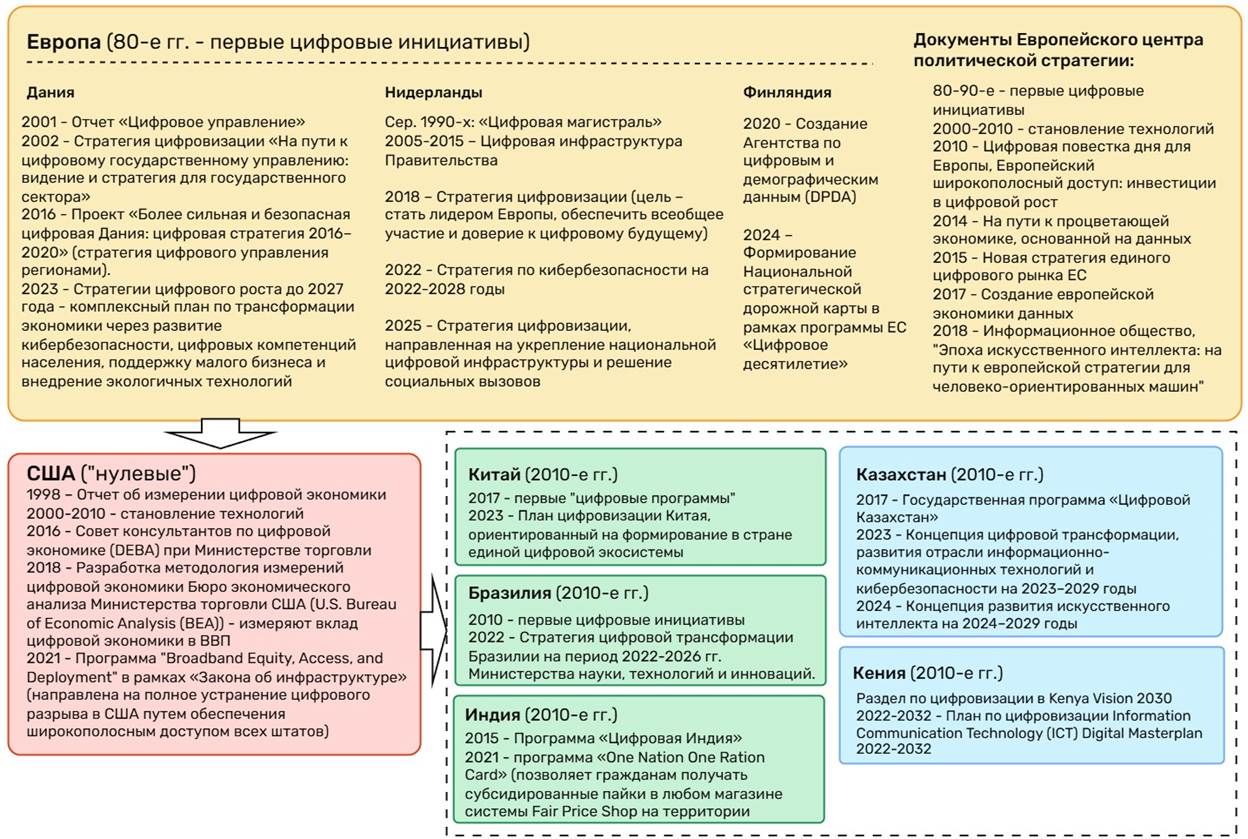
Рисунок 2. Хронология развития стратегических инициатив в цифровой сфере в странах мира
Источник: составлено автором.
Хронология основных нормативно-правовых актов в данной области началась в европейских странах, в частности в Германии, родоначальнице Индустрии 4.0. В США первые цифровые инициативы были начаты позднее, в «нулевых» и «десятых», однако оперативность и эффективность внедрения цифровых технологий обеспечило стране технологическое превосходство и суверенитет. Китае, Бразилии, Индии, странах СНГ и Африки цифровые инициативы начали внедряться с 2010 года, но оперативность и порядок внедрения, исходная ресурсная база были различными, что проявилось в разных результатах цифровизации указанных государств.
В России развитие цифровых инициатив началось в «нулевые», как и в США, с программ «Электронная Россия», «Информационное общество» (рис. 3). С 2019 года стартовало две серии национальных проектов в области цифровизации «Цифровая экономика» (2019–2024 гг.) и «Экономика данных». Интенсивность вводимых преобразований в нашей стране характеризуется как достаточно высокая, что определило достойные позиции в мировых рейтингах.
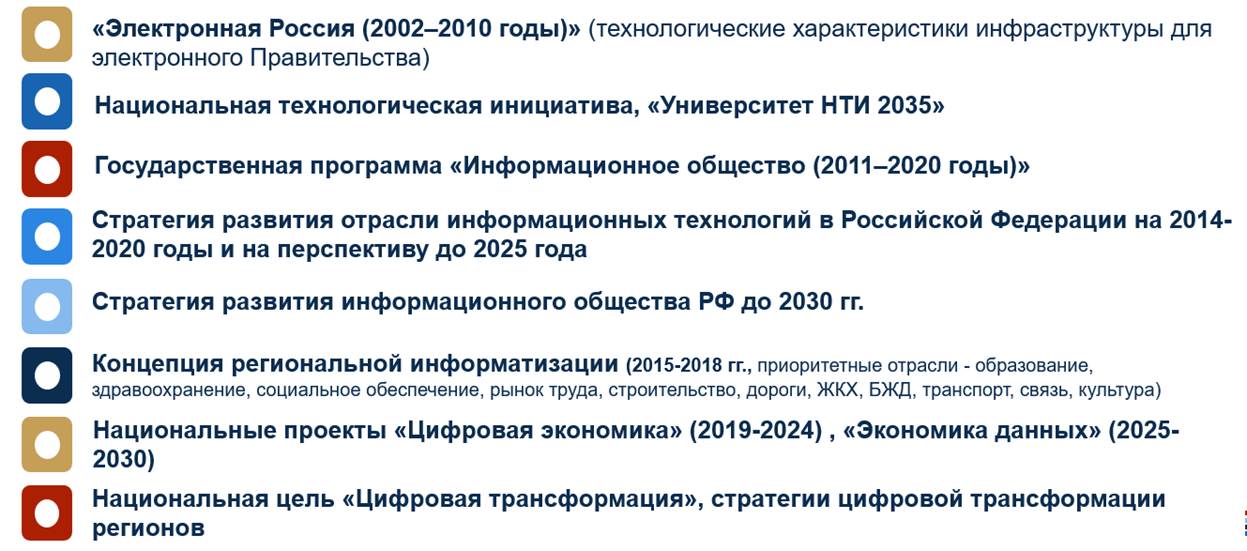
Рисунок 3. Нормативно-правовая база цифровизации в России
Источник: составлено автором.
В результате проактивных цифровых инициатив государства в 2025 году Российская Федерация заняла 41-е место из 133 стран по Индексу сетевой готовности, 40-е место из 170 стран по Индексу развития ИКТ. В 2024 году Россия занимала 43-е место из 193 стран по Индексу развития электронного Правительства, 39-е место из 188 стран по Индексу готовности Правительства, 49-е место из 173 стран по Индексу мобильного взаимодействия [9].
Развитие социальных проектов в странах мира, включая Россию, представлено на рисунке 4.
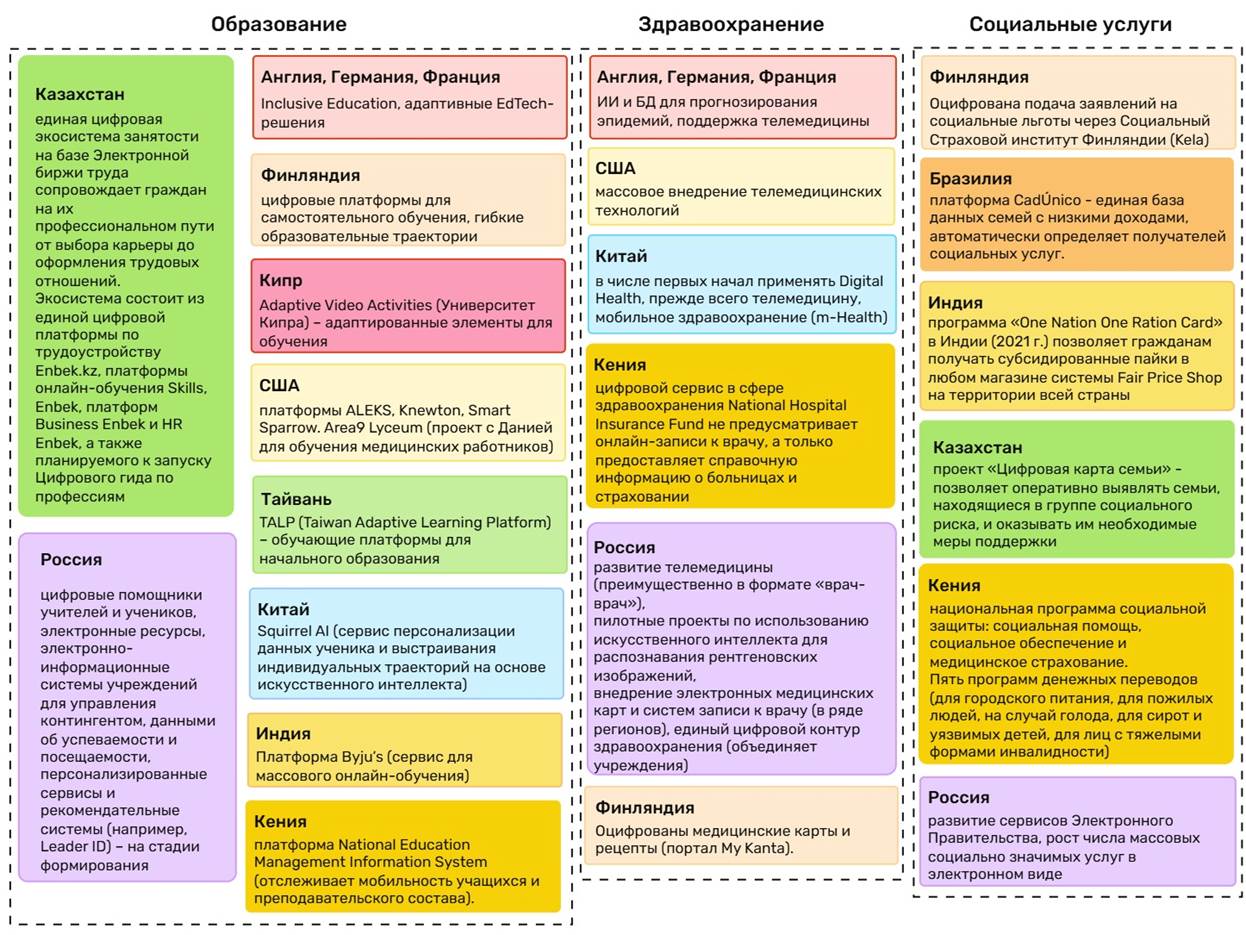
Рисунок 4. Развитие цифровых проектов в отраслях социальной сферы в странах мира
Источник: составлено автором.
Как можно видеть, больше всего цифровых инициатив в странах мира реализуется в сфере образования (цифровые платформы для самостоятельного обучения, цифровые образовательные ресурсы для педагогического состава, рекомендательные системы по образовательным траекториям и пр.). В области здравоохранения в мировой практике используют прогностические модели с использованием искусственного интеллекта, развивают мобильное здравоохранение, электронные медицинские карты, телемедицинские услуги и пр. В области социальных услуг внедряют сервисы электронного Правительства (по аналогии с единым порталом государственных услуг в России), программы социальной помощи, платформы для осуществления платежей нуждающимся.
Позитивные и негативные социальные экстерналии цифровизации: международный опыт. Академические круги остаются весьма непоследовательными при интерпретации социальных аспектов, связанных с Индустрией 4.0. Большинство самых цитируемых исследований в области последствий цифровизации для экономики и социальной сферы, в частности рынка труда, производятся в Германии, Италии, Австрии, Великобритании, Индии [21]. Исследования в основном сосредотачиваются на положительном влиянии цифровых технологий, при этом меньше внимания уделялось их негативным последствиям [31] (Strengers et al., 2024).
Имеются этические проблемы в отношении использования социальных сетей, опасения относительно целостности информации, роста фейковых новостей, дезинформации, возможности использования данных для контроля за личной жизнью, нарушения конфиденциальности данных и человеческого достоинства в цифровую эпоху. Также «цифровая революция» приводит к отрыву от национальных контекстов, формированию новых классовых структур, определяющих тех, кто участвует в новой цифровой экономике и является исключенным из этого процесса; организации новой системы престижа, авторитета и власти; увеличению физической и социальной мобильности; дальнейшей секуляризация ценностей, институтов и социальных отношений; появлению виртуальных сообществ; фрагментации социальных отношений; озабоченности статусом и вниманием [26] и др.
Некоторые специалисты в области кибернетики и развития систем управления рассматривают цифровизацию как современный вид рабовладельческого строя. Анализ цифровых технологий в обществе, его функционирование, возможность анализа собранных данных обеспечивают тотальный контроль и, соответственно, тотальную управляемость социумом [10] (Berardi et al., 2022). Гуманистическая направленность цифровизации может разрешить указанные проблемы со временем, в т.ч. за счет создания информационной среды для выражения легитимного общественного мнения, при составлении управленческих решений, противодействующих массовому манипулированию общественным сознанием.
Социальные последствия цифровизации могут быть описаны в таблице 7.
Таблица 7
Социальные последствия цифровизации, выделяемые зарубежными исследователями
|
№
|
Сфера социальной жизни
|
Положительные последствия
|
Отрицательные последствия
|
|
1
|
Социальные
потребности
|
Возможность
удаленного и круглосуточного взаимодействия с другими людьми
|
Беспокойство,
депрессия, одиночество и общее чувство тошноты. Технологии делают людей менее
человечными, «стерильный ИИ» вместо «работы сердцем» [21]
|
|
2
|
Экология
|
Цифровизация –
это революционный фактор сокращения твердых бытовых отходов и выбросы
парниковых газов, сохранение сырья и развития энергетики [25]
Финансовые развитие и цифровизация помогают снизить уровень выбросов путем содействия производству и потреблению возобновляемой энергии. Цифровые технологии повышают производительность энергетического сектора [34] (Xu et al., 2022). Цифровизация существенно улучшает качество окружающей среды за счет снижения выбросов углерода, парниковых газов и других загрязняющих веществ; поощряет зеленую экономику [37] |
Согласно
Shift Project почти 3,7% мирового загрязнения углерода происходит из-за
растущей цифровизации, которая выросла примерно на 70% за последнее
десятилетие [37]
|
|
3
|
Рынок
труда
|
Индустрия
4.0 создала новые рабочие места и повысила устойчивость занятости в условиях
пандемии COVID-19 в определенных промышленных секторах [27] (Onyango et al., 2023).
Позволит снизить производственный травматизм, повысить творческий потенциал
работы
|
Индустрия
4.0 сократила человеческий труд в некоторых профессиях и секторах, создает
навязчивый контроль за сотрудниками.
Будет снижена связь с работодателем, что повлияет на мотивацию к трудовой деятельности. Повышенный стресс, отсутствие уверенности в завтрашнем дне, безработица |
|
4
|
Социальное
неравенство
|
Ццифровизация
как новый «социальный лифт», возможности дополнительных заработков или
получения услуг в сфере образования, здравоохранения, социальной защиты с
помощью цифровых технологий
|
Цифровая
эксклюзия (исключение) лиц с низкими цифровыми компетенциями, уровнем жизни,
пожилых и других социально уязвимых категорий граждан. Цифровое неравенство
граждан, усугубляющее социальное неравенство
|
|
5
|
Региональная
дифференциация
|
Рост
преимуществ регионов с развитой цифровой и сервисной экономикой, концентрация
ресурсов цифрового развития в регионах-лидерах для создания передовых практик
в других регионах России
|
Риски
массовой безработицы в промышленных регионах с высокой долей ручного труда,
отставание регионов-аутсайдеров цифрового развития, усиливающийся дисбаланс
между территориями
|
|
6
|
Культура,
управление объектами культурного наследия
|
Возможности
создания HBIM-моделей,
цифровых двойников объектов культурного наследия для обеспечения их
сохранности, измерения уровня востребованности, повышения интерактивности для
удовлетворения культурных потребностей граждан. Возможности цифровизации
архивов и систематизации информации о памятника культуры и искусства,
повышение доступности культурного наследия с помощью технологий цифровой
культуры
|
Риски
потери цифровых архивов информации об объектах культурного наследия. Снижение
вовлеченности и близости населения к памятникам культуры, более низкое
качество услуг учреждений культуры при виртуальном обращении к ним по
сравнению с реальным (реальное и виртуальное посещение выставок, памятников
культуры приносит различный уровень удовлетворения)
|
Таким образом, цифровизация имеет как положительные, так и отрицательные социальные эффекты. Цифровизация может создавать условия для нивелирования рисков, связанных с собственным развитием.
Социальное ускорение как новая жизненная реальность в условиях цифровой экономики. В современных условиях приобретает актуальность принятие государственных решений в сфере цифровизации в условиях социального ускорения. Увеличивающееся количество новых социальных проблем, возникающих в политической повестке, усиливает спрос на быстрые и эффективные политические решения [22, 36] (Maiurova et al., 2022).
К. Ван Керсберген и Б. Вис вслед за другими исследователями вводят понятие «социальное ускорение» и предлагают его трактовать как постепенно ускоряющееся сокращение количества времени, необходимого для социальной деятельности или опыта, где эти категории в широком смысле включают производство, потребление, общение, путешествия, работу, отношения и т.д. [36]. Главным следствием является растущая неуверенность в том, как будет выглядеть общество завтра, дезориентации в социальной, культурной и политической жизни.
Ускорение темпа жизни относится к «объективно измеримой интенсификации опыта и деятельности, в которую мы вовлечены в течение определенного периода времени» [33] (Van et al., 2022). Большинство людей производят действия все быстрее, с меньшим количеством перерывов, все больше занимаются несколькими делами одновременно, увеличивается количество контактов. Постоянная нехватка времени, в свою очередь, может вызвать страх упустить что-то, создать навязчивую потребность адаптироваться и вызвать (или усилить) дисбаланс между работой и личной жизнью. Rosa H. В связи с этим определила «синдром скользящего склона» – экзистенциальное чувство стояния на скользком склоне, вызванное осознанием того, что «в динамичном обществе почти весь запас знаний и имущества человека постоянно находится под угрозой устаревания» [32].
Ускоряющееся общество требует «быстрой демократии». Количество решений, которые необходимо принять, растет, а время, отведенное на принятие решения, сокращается. Более короткий временной горизонт в высокоскоростном обществе ограничивает возможность управления. Следовательно, более эффективными в цифровом обществе становятся государства с «быстрой демократией» или с ее отсутствием (при выраженной вертикали власти и директивном принятии решений).
Правительства по всему миру предприняли инициативы по адаптации к социальному ускорению путем цифровизации [29]. Кабинет министров Дании, например, запланировал ежегодный пересмотр национальной стратегии цифровизации [28] (Rauf, 2021). Кабинет министров Нидерландов определил шесть приоритетов цифрового развития: ускорение разработки ИИ; использование данных для решения общественных проблем и экономического роста; цифровая инклюзивность и навыки; цифровое правительство, направленное на то, чтобы сделать голландское цифровое правительство более доступным, понятным и персонализированным; связь, особенно внедрение 5G; цифровая устойчивость [36].
Если ранее наблюдалась отчетливая взаимосвязь между социально-экономическим и цифровым развитием государств и их административных районов, то в последних рейтингах цифрового развития в лидеры все чаще выходят государства, социально-экономическое положение которых можно характеризовать как среднее и ниже среднего. Становится очевидно, что помимо инвестиций во внедрение цифровых технологий, развития кадровых ресурсов государств и регионов в ИКТ-сфере, цифровой инфраструктуры существует еще один важный фактор, определяющий эффективность государственного управления в области цифровизации экономики и социальной сферы и результаты цифрового развития территорий в целом – оперативность цифровых преобразований или цифровое время (в авторской интерпретации).
Цифровое время, с позиции автора, представляет собой важнейший фактор эффективности цифрового развития территорий в условиях социального и экономического ускорения, определяющий оперативность и эффективность цифровых преобразований экономики и социальной сферы территорий (государств, регионов, муниципальных образований) в целях обеспечения экономического роста и повышения качества жизни населения.
Цифровое время наряду с цифровыми инвестициями, человеческим капиталом цифровизации, цифровым государственным управлением и цифровой инфраструктурой является значимым элементом цифрового профиля территории (типологическими особенностями, определяющими ее цифровые потребности и цифровые ресурсы), участвует в формировании цифрового потенциала региона.
В части детерминации цифрового потенциала территории как перспективного уровня развития цифровое время в условиях ускоряющейся экономики и общественной жизни является едва ли не ключевым фактором. Оперативность и точность внедрения цифровых проектов и инициатив, качество их отбора определяет будущее социально-экономической системы любого масштаба (государства, региона, муниципалитета). Свидетельством тому является международный опыт формирования стратегий цифрового развития государств, представленный выше. Страны, ранее других либо быстрее и эффективнее других внедрившие актуальные цифровые проекты и инициативы, существенно опережают другие государства по уровню цифрового развития, имеют лучшие перспективы на будущее.
Обсуждение результатов
Феномен социального ускорения, описанный выше в рамках подходов зарубежных исследователей, означает возрастающую скорость социально-экономических изменений под воздействием турбулентности цифрового мира, VUCA-, BANI-, SHIVA-реальности. Развитие цифрового потенциала региона как перспективного уровня развития субъекта Российской Федерации с учетом его цифровых ресурсов и потребностей ранее опиралось на такие элементы цифрового профиля региона, как развитие цифровой инфраструктуры, наращивание человеческого капитала цифровизации, цифровых инвестиций, повышение эффективности цифрового государственного управления. «Цифровое время» как оперативность цифровых преобразований в субъектах Российской Федерации ранее не рассматривалось как фактор развития цифрового потенциала региона, однако проглядывалось в философских концепциях футурологов цифрового развития. Определение «цифрового времени» как значимого фактора перспективы цифрового развития региона необходимо для повышения эффективности управления цифровой трансформацией экономики и социальной сферы субъекта Российской Федерации.
Заключение
Цифровизация охватила все отрасли экономики и социальной сферы стран мира, порождая схожие по направленности и структуре стратегические инициативы по управлению данным процессом в различных государствах. Требуется изучение практик в этой области для выявления передового опыта государств с целью его масштабирования и адаптации по цифровые потребности и ресурсы других территорий.
Страны, начавшие ранее других внедрять цифровые технологии (Германия, Дания, Нидерланды, Финляндия), как правило, получали более высокие преимущества в технологическом, экономическом и социальном развитии. Однако имеются примеры государств, которые при относительно недавнем начале внедрения цифровых инициатив в экономику и социальную сферу, смогли достигнуть высоких результатов в развитии цифровой экономики и формировании цифрового общества (США, Россия). Цифровая политика развивающихся стран (Бразилия, Индия, Кения) часто носит компенсаторный характер, восполняя за счет цифровизации дефицит традиционных ресурсов.
Ключевым фактором эффективности цифровых преобразований служит цифровое время, отражающее оперативность и точность принимаемых решений в области цифрового развития, внедрения цифровых проектов и инициатив.
Источники:
2. Ларионова М.В., Шелепов А.В. Индия. Формирование регулирования технологических компаний для роста цифровой экономики // Вестник международных организаций. – 2024. – № 2. – c. 127–144. – doi: 10.17323/1996-7845-2024-02-07.
3. Мухачёва А.В. Цифровизация в зарубежных странах: общие закономерности и особенности влияния на экономическое развитие и социальную сферу // Экономика. Налоги. Право. – 2025. – № 18. – c. 82-90. – doi: 10.26794/1999-849X-2025-18-6-82-90.
4. Развитие измерений цифровой экономики: международные тенденции и рекомендации. [Электронный ресурс]. URL: https://cctld.ru/upload/iblock/1d8/s4m3sk3mlgqwyrt9hmomzpjcu60oru1d/digec.pdf (дата обращения: 18.01.2026).
5. Развитие измерений цифровой экономики: международные тенденции и рекомендации. [Электронный ресурс]. URL: https://cctld.ru/upload/iblock/1d8/s4m3sk3mlgqwyrt9hmomzpjcu60oru1d/digec.pdf (дата обращения: 18.01.2026).
6. Индикаторы цифровой экономики. Статистический сборник ВШЭ 2025 // (16.02.2026)
7. Филимонов В.П. Цифровое общество и конец истории. XXVI Международные Рождественские чтения, секция «Актуальные вопросы национального суверенитета России, Москва, 26 января 2018 г., Российский университет дружбы народов. [Электронный ресурс]. URL: https://ruskline.ru/analitika/2018/02/01/cifrovoe_obwestvo_i_konec_istorii/ (дата обращения: 18.01.2026).
8. Цзо Ци Цифровая трансформация в Китайской Народной Республике: динамика и тенденции // Вестник Московского университета. Серия 18. Социология и политология. – 2025. – № 1. – c. 202-234.
9. Цифровой кодекс Казахстана – шаг в будущее. [Электронный ресурс]. URL: https://kazpravda.kz/n/tsifrovoy-kodeks-kazahstana-shag-v-budushchee/ (дата обращения: 18.10.2025).
10. Berardi L., Valentinetti D Digitalization of Social Impact for Social Economy Organizations // Canadian Journal of Nonprofit and Social Economy Research. – 2022. – № 13. – p. 116-122. – doi: 10.29173/cjnser617.
11. Denmark 2025. Digital Decade Country Report. [Электронный ресурс]. URL: https://digital-strategy.ec.europa.eu/en/factpages/denmark-2025-digital-decade-country-report (дата обращения: 07.10.2025).
12. Desouza K.C., Smith K.L. Big data for social innovation // Stanford Social Innovation Review. – 2014. – № 12. – p. 38–43.
13. Finland - Individuals frequently using the internet. [Электронный ресурс]. URL: https://tradingeconomics.com/finland/individuals-frequently-using-the-internet-eurostat-data.html (дата обращения: 18.01.2026).
14. Finland 2025 Digital Decade Country Report. [Электронный ресурс]. URL: https://digital-strategy.ec.europa.eu/en/factpages/finland-2025-digital-decade-country-report (дата обращения: 18.01.2026).
15. Gagliardi D., Psarra F., Wintjes R., Trendafili K., Pineda Mendoza J., Haaland K., Turkeli S., Giotitsas C., Pazaitis A., & Niglia F. New technologies and digitisation: Opportunities and challenges for the social economy and social enterprises // European Commission, Executive Agency for SMEs. 2020 doi:10.2826/667682
16. Galen D., Brand N., Boucherle L., Davis R., Do N., El-Baz B., Lee J. Blockchain for social impact: Moving beyond the hype. Center for Social Innovation, RippleWorks. [Электронный ресурс]. URL: https://www.gsb.stanford.edu/sites/gsb/files/publication-pdf/study-blockchain-impact-moving-beyond-hype.pdf (дата обращения: 18.01.2026).
17. Gibin, M., & Maturo, A. No profit e impatto sociale al tempo dei Big Data: tra Quantified Context eBlockchain. No profit e impatto sociale al tempo dei Big Data: tra Quantified Context e Blockchain. – 2020. – 157–174
18. Grybauskas A., Stefanini A., Ghobakhloo M. Social sustainability in the age of digitalization // A systematic literature review on the social implications of Industry 4.0. SSRN Electronic Journal. – 2021. – p. 1–34. – doi: 10.2139/ssrn.3962898.
19. Hassan R. Empires of speed. Time and the acceleration of politics and society. - Leiden: Brill, 2009.
20. International Trade Administration. Finland Country Commercial Guide. [Электронный ресурс]. URL: https://www.trade.gov/country-commercial-guides/finland-digital-economy (дата обращения: 07.10.2025).
21. Longmei Zhang, Sally Chen China’s digital economy: Opportunities and risks. International Monetary Fund. – 2019. – P. 9. [Электронный ресурс]. URL: https://www.imf.org/en/Publications/WP/Issues/2019/01/17/Chinas-Digital-Economy-Opportunities-and-Risks-46459 (дата обращения: 05.07.2025).
22. Maiurova A., Kurniawan T. A., Kustikova M., Bykovskaia E., Othman M. H. D., Singh D. Promoting digital transformation in waste collection service and waste recycling in Moscow (Russia): Applying a circular economy paradigm to mitigate climate change impacts on the environment // J. Clean. – 2022. – № 354. – p. 131604. – doi: 10.1016/j.jclepro.2022.131604.
23. Marwick Alice Status Update: Celebrity, Publicity, and Branding in the Social Media Age.New Haven. - CT: Yale University Press, 2015.
24. Narayanamurthy G., Tortorella G. Impact of COVID-19 outbreak on employee performance–moderating role of industry 4.0 base technologies // Int. J. Prod. Econ.. – 2021. – № 234. – p. 108075.
25. Nederlandse Rijksoverheid. Nederlandse Digitaliseringsstrategie 2.0. [Электронный ресурс]. URL: https://www.rijksoverheid.nl/documenten/rapporten/2019/07/05/nederlandse (дата обращения: 18.01.2026).
26. OECD. Key issues for digital transformation in the G20. Paris: OECD. [Электронный ресурс]. URL: https://www.digitale-technologien.de/DT/Redaktion/DE/Downloads/Publikation/2017_Digitale%20Transformation%20G20.pdf?__blob=publicationFile&v=1 (дата обращения: 18.01.2026).
27. Onyango G., Ondiek J.O. Digitalising analogue policy targets! ‘Digital capabilities’ of older persons and policy digitalisation of social safety net programs in a developing сountry context // Journal of Technology in Human Services. – 2023. – № 4. – p. 348–375. – doi: 10.1080/15228835.2023.2263494.
28. Rauf A.A. New moralities for new media? Assessing the role of social media in acts of terror and providing points of deliberation for business ethics // Journal of Business Ethics. – 2021. – № 2. – p. 229-251. – doi: 10.1007/s10551-020-04635-w.
29. Rosa, H. Social acceleration: A new theory of modernity. New York: Columbia University Press OECD. Key issues for digital transformation in the G20. Paris: OECD. 2015
30. Scheuerman, W. E. Liberal democracy and the social acceleration of time. Baltimore and London: The John Hopkins University Press. 2004
31. Strengers Y., Dahlgren K., Pink S., Sadowski J., Nicholls L. Digital technology and energy imaginaries of future home life: Comic-strip scenarios as a method to disrupt energy industry futures // Energy Res. Soc. Sci. – 2024. – № 84. – p. 102366. – doi: 10.1016/j.erss.2021.102366.
32. The Social Code will become the basis of a new social policy. Official information resource of the Prime Minister of the Republic of Kazakhstan. [Электронный ресурс]. URL: https://primeminister.kz/ru/news/socialnyy-kodeks-stanet-osnovoy-novoy-socpolitiki-t-duysenova-27112247 (дата обращения: 18.01.2026).
33. Van Kersbergen Kees, Vis Barbara Digitalization as a policy response to social acceleration: Comparing democratic problem solving in Denmark and the Netherlands // Government Information Quarterly. – 2022. – № 3. – p. 101707. – doi: 10.1016/j.giq.2022.101707.
34. Xu J., She S., Liu W. Role of digitalization in environment, social and governance, and sustainability: Review-based study for implications // Front. Psychol. – 2022. – p. 961057. – doi: 10.3389/fpsyg.2022.961057.
Страница обновлена: 13.09.2026 в 03:49:26
Download PDF | Downloads: 18
Chronology of the state strategies development in social sphere digitalization: effects and digital time
Mukhachyova A.V.Journal paper
Journal of Economics, Entrepreneurship and Law
Volume 16, Number 3 (March 2026)
Abstract:
Nowadays there is a need to systematize the global experience of digital development of states in order to broadcast best practices in this area. The article aims to study the chronology of the development of state strategies in social sphere digitalization, to identify the positive and negative effects (externalities) that arise on this basis, and to consider digital time as a key factor in ongoing transformations. The research methods are represented by analysis, synthesis, systematization, and formalization.
The systematization of digital development strategies in Europe, the USA, China, Brazil, India, Kazakhstan, and Kenya is presented. Their comparative analysis is carried out.
The technologies and externalities of digitalization of employment, ensuring environmental safety, the formation of digital inequality of citizens, countries and regions are described.
The phenomenon of social acceleration is considered. The author identifies the relationship between the speed of the introduction of digital technologies into the economy and social sphere of the countries of the world and the achieved results of digital development and suggests considering "digital time" as a factor in the development of the digital potential of the territory. The results of the study made it possible to analyze the digital development of states from the perspective of the complexity and speed of digital transformations of the economy and the social sphere, identify best practices, describe well-known international digital projects in the social sphere,and expand the list of factors of digital development of territories by including digital time as a significant determinant.
Keywords: digital economy, digital society, social sphere, externalities, digital time, strategy
JEL-classification: O33, L86, Z13, D62, R11
References:
Asyaeva E.A., Myagkova Yu.Yu. (2023). Overview of Brazil's Digital Financial Agenda. Izvestiya vysshikh uchebnyh zavedeniy. Seriya: Ekonomika, finansy i upravlenie proizvodstvom. (3). 6-14.
Berardi L., Valentinetti D (2022). Digitalization of Social Impact for Social Economy Organizations Canadian Journal of Nonprofit and Social Economy Research. (13). 116-122. doi: 10.29173/cjnser617.
Denmark 2025Digital Decade Country Report. Retrieved October 07, 2025, from https://digital-strategy.ec.europa.eu/en/factpages/denmark-2025-digital-decade-country-report
Desouza K.C., Smith K.L. (2014). Big data for social innovation Stanford Social Innovation Review. (12). 38–43.
Finland - Individuals frequently using the internet. Retrieved January 18, 2026, from https://tradingeconomics.com/finland/individuals-frequently-using-the-internet-eurostat-data.html
Finland 2025 Digital Decade Country Report. Retrieved January 18, 2026, from https://digital-strategy.ec.europa.eu/en/factpages/finland-2025-digital-decade-country-report
Gagliardi D., Psarra F., Wintjes R., Trendafili K., Pineda Mendoza J., Haaland K., Turkeli S., Giotitsas C., Pazaitis A., & Niglia F. New technologies and digitisation: Opportunities and challenges for the social economy and social enterprises // European Commission, Executive Agency for SMEs. 2020 doi:10.2826/667682
Galen D., Brand N., Boucherle L., Davis R., Do N., El-Baz B., Lee J. Blockchain for social impact: Moving beyond the hypeCenter for Social Innovation, RippleWorks. Retrieved January 18, 2026, from https://www.gsb.stanford.edu/sites/gsb/files/publication-pdf/study-blockchain-impact-moving-beyond-hype.pdf
Gibin, M., & Maturo, A. No profit e impatto sociale al tempo dei Big Data: tra Quantified Context eBlockchain. No profit e impatto sociale al tempo dei Big Data: tra Quantified Context e Blockchain. – 2020. – 157–174
Grybauskas A., Stefanini A., Ghobakhloo M. (2021). Social sustainability in the age of digitalization A systematic literature review on the social implications of Industry 4.0. SSRN Electronic Journal. 1–34. doi: 10.2139/ssrn.3962898.
Hassan R. (2009). Empires of speed. Time and the acceleration of politics and society
International Trade AdministrationFinland Country Commercial Guide. Retrieved October 07, 2025, from https://www.trade.gov/country-commercial-guides/finland-digital-economy
Larionova M.V., Shelepov A.V. (2024). India: Developing Regulation of Technological Platforms for Digital Economy Growth. International organisations research journal. 19 (2). 127–144. doi: 10.17323/1996-7845-2024-02-07.
Longmei Zhang, Sally Chen China’s digital economy: Opportunities and risksInternational Monetary Fund. – 2019. – P. 9. Retrieved July 05, 2025, from https://www.imf.org/en/Publications/WP/Issues/2019/01/17/Chinas-Digital-Economy-Opportunities-and-Risks-46459
Maiurova A., Kurniawan T. A., Kustikova M., Bykovskaia E., Othman M. H. D., Singh D. (2022). Promoting digital transformation in waste collection service and waste recycling in Moscow (Russia): Applying a circular economy paradigm to mitigate climate change impacts on the environment J. Clean. (354). 131604. doi: 10.1016/j.jclepro.2022.131604.
Marwick Alice (2015). Status Update: Celebrity, Publicity, and Branding in the Social Media Age.New Haven
Mukhachyova A.V. (2025). Digitalization in Foreign Countries: General Patterns and Features of Its Impact on Economic Development and the Social Sphere. Economy. Taxes. Law. (18). 82-90. doi: 10.26794/1999-849X-2025-18-6-82-90.
Narayanamurthy G., Tortorella G. (2021). Impact of COVID-19 outbreak on employee performance–moderating role of industry 4.0 base technologies Int. J. Prod. Econ.. (234). 108075.
Nederlandse Rijksoverheid. Nederlandse Digitaliseringsstrategie 2.0.. Retrieved January 18, 2026, from https://www.rijksoverheid.nl/documenten/rapporten/2019/07/05/nederlandse
OECDKey issues for digital transformation in the G20. Paris: OECD. Retrieved January 18, 2026, from https://www.digitale-technologien.de/DT/Redaktion/DE/Downloads/Publikation/2017_Digitale%20Transformation%20G20.pdf?__blob=publicationFile&v=1
Onyango G., Ondiek J.O. (2023). Digitalising analogue policy targets! ‘Digital capabilities’ of older persons and policy digitalisation of social safety net programs in a developing sountry context Journal of Technology in Human Services. 41 (4). 348–375. doi: 10.1080/15228835.2023.2263494.
Rauf A.A. (2021). New moralities for new media? Assessing the role of social media in acts of terror and providing points of deliberation for business ethics Journal of Business Ethics. 170 (2). 229-251. doi: 10.1007/s10551-020-04635-w.
Rosa, H. Social acceleration: A new theory of modernity. New York: Columbia University Press OECD. Key issues for digital transformation in the G20. Paris: OECD. 2015
Scheuerman, W. E. Liberal democracy and the social acceleration of time. Baltimore and London: The John Hopkins University Press. 2004
Strengers Y., Dahlgren K., Pink S., Sadowski J., Nicholls L. (2024). Digital technology and energy imaginaries of future home life: Comic-strip scenarios as a method to disrupt energy industry futures Energy Res. Soc. Sci. (84). 102366. doi: 10.1016/j.erss.2021.102366.
The Social Code will become the basis of a new social policyOfficial information resource of the Prime Minister of the Republic of Kazakhstan. Retrieved January 18, 2026, from https://primeminister.kz/ru/news/socialnyy-kodeks-stanet-osnovoy-novoy-socpolitiki-t-duysenova-27112247
Tszo Tsi (2025). Digital Transformation in the People’s Republic of China: Dynamics and Trends. Vestnik Moskovskogo universiteta. Seriya 18. Sotsiologiya i politologiya. 31 (1). 202-234.
Van Kersbergen Kees, Vis Barbara (2022). Digitalization as a policy response to social acceleration: Comparing democratic problem solving in Denmark and the Netherlands Government Information Quarterly. 39 (3). 101707. doi: 10.1016/j.giq.2022.101707.
Xu J., She S., Liu W. (2022). Role of digitalization in environment, social and governance, and sustainability: Review-based study for implications Front. Psychol. 13 961057. doi: 10.3389/fpsyg.2022.961057.