
Оптимальное планирование поставок товаров через маркетплейсы
Ларин О.Н.1,2  , Сергеев С.А.1,3
1 Российский экономический университет им. Г.В. Плеханова, Москва, Россия
2 Российский университет транспорта (МИИТ), Москва, Россия
3 Финансовый университет при Правительстве Российской Федерации, Москва, Россия
Скачать PDF | Загрузок: 33
Статья в журнале
Экономика, предпринимательство и право (РИНЦ, ВАК)
опубликовать статью | оформить подписку
Том 16, Номер 3 (Март 2026)
Эта статья проиндексирована РИНЦ, см. https://elibrary.ru/item.asp?id=89188433 [89188433]
Аннотация:
В статье представлен метод оптимального планирования поставок через сеть складов маркетплейса с учетом требований к уровню логистического сервиса (срокам доставки). Модель цепи поставок через маркетплейсы состоит из «локального склада» продавца, «кластеров промежуточного хранения» (рассредоточенных складов) маркетплейса, используемых для распределения товаров по «кластерам спроса» (зонам обслуживания, включающим пункты выдачи, постаматы и пр.), где осуществляется их передача покупателю. Выбранная конфигурация складов для распределения товаров определяет продолжительность сроков исполнения заказов, от величины которых зависят объёмы спроса и затраты на услуги маркетплейса. Задача оптимального планирования поставок заключается в выборе такого набора складов в кластерах хранения, при использовании которых продавец получает максимальный экономический эффект от реализации товаров с учётом затрат на логистические услуги маркетплейса. Разработана математическая модель поиска оптимальной конфигурации промежуточных складов в виде бинарного вектора выбора (активации) промежуточных складов, в соответствии с которым устанавливаются направления перевозок товаров от продавца на промежуточные склады маркетплейса, а также варианты их последующего распределения до покупателей.
Ключевые слова: цепь поставок, маркетплейс, конфигурация складской сети, сроки доставки, логистический сервис, оптимальное планирование
JEL-классификация: C53, C65, L80, L81
Введение
Данная работа является продолжением исследований авторов в области интегрированного планирования поставок через логистическую инфраструктуру маркетплейсов, которое предусматривает согласование параметров перевозки и хранения товаров для своевременной доставки заказов покупателям и обеспечения максимальной эффективности бизнеса продавца [4] (Larin et al., 2025). Практика продаж на маркетплейсах показывает, что экономические результаты продавца существенно зависят как от выбора объемов и периодичности поставок, так и от выбора конфигурации размещения запасов в складской сети маркетплейса, так как конфигурация влияет на сроки распределения товаров по кластерам спроса (зонам обслуживания, включающим пункты выдачи, постаматы и пр.) и тарифные удержания за логистические услуги маркетплейса [12] (Correia et al., 2016). Цель настоящего исследования состоит в разработке воспроизводимой процедуры выбора конфигурации размещения запасов в кластерах промежуточного хранения (кластерах хранения) маркетплейса, при которой обеспечивается максимальная маржинальная прибыль продавца. Предлагаемое решение учитывает нелинейные зависимости объема спроса на товары и размера тарифных ставок на услуги маркетплейса от сроков доставки.
Вопросы логистического взаимодействия продавцов и маркетплейсов исследованы во многих работах отечественных и зарубежных ученых. Вместе с тем задача выбора оптимальной конфигурации складской сети размещения запасов в кластерах хранения маркетплейса с учетом динамики спроса и логистических затрат исследована недостаточно. В работе Хромовой И.Н. и др. [10] (Khromova et al., 2024) акцент сделан на управленческий учет и автоматизацию бизнес-процессов продавцов на маркетплейсах, позволяющих агрегировать финансовые показатели, автоматизировать работу с заказами, логистикой и остатками. Показано, что такие инструменты позволяют продавцу масштабировать продажи при ограниченном штате и снижать удельные издержки за счет автоматизации процессов учета, контроля и аналитики. В рамках статьи логистика рассматривается как объект мониторинга и учета, при этом за рамками анализа остается вопрос оптимизации складской сети, что и мотивирует постановку задачи в настоящем исследовании.
Важным шагом к формализации взаимодействия «продавец (производитель) – маркетплейс» является работа Уваровой Л.А. и Иванова Д.Ю. [9] (Uvarova et al., 2024), в которой предлагается универсальная экономико-математическая модель организации сбытовой деятельности продавца на маркетплейсе по схеме FBO. Однако в работе не рассматривается агрегирование складской сети в кластеры и выделение кластеров спроса, не моделируется зависимость спроса от сроков доставки.
В работе Караваевой Е.Д. [2] (Karavaeva, 2020) логистический аспект взаимодействия с маркетплейсом рассматривается как ключевой. Автор разрабатывает динамическую модель планирования логистических затрат продавца при реализации товаров через маркетплейс и формулирует задачу их минимизации. Работа автора позволяет оценить влияние плана поставок на совокупные логистические затраты и демонстрирует существенный эффект от оптимизации по сравнению с базовыми стратегиями поставок. Однако спрос и выручка в данной постановке задаются экзогенно и не зависят от сроков доставки, структура логистической сети не агрегируется до звеньев (в частности кластеров промежуточного хранения и спроса). Авторы [2] (Karavaeva, 2020) целевой критерий сводится к минимизации логистических затрат, тогда как в настоящем исследовании рассматривается максимизация маржинальной прибыли, совместно учитывающая эффекты изменения спроса и логистических затрат при различных конфигурациях складской сети.
В работе Гусева Д.О. и Батищева А.В. [1] (Gusev et al., 2024) акцент переносится от отдельных бизнес-процессов продавца к системному анализу трендов управления торговой деятельностью на ведущих российских маркетплейсах Ozon и Wildberries. Авторы показывают, что в условиях высокой насыщенности площадок и роста конкуренции критическое значение приобретают управление ассортиментом, логистика и управление запасами, динамическое ценообразование, использование больших данных и технологий искусственного интеллекта (ИИ) для аналитики и автоматизации. Статья подтверждает необходимость перехода к формализованным моделям планирования работы на маркетплейсах, однако в ней не предлагается формализованная постановка оптимизационной задачи выбора конфигурации складской сети и параметров, зависящих от уровня логистического сервиса (SLA, Service Level Agreement). В настоящей работе этот разрыв преодолевается за счет формализации конфигурации размещения запасов в кластерах промежуточного хранения по критерию маржинальной прибыли (как показателя экономического эффекта) и предложенной процедуры ее расчета для альтернативных конфигураций.
В работе [3] (Larin et al., 2024) цифровая трансформация рассматривается на уровне транспортно-логистической деятельности в целом. Фокус исследования остается преимущественно на концептуальном и технологическом уровнях (платформы, цифровые двойники, уровень цифровой зрелости), без детальной разработки прикладных экономико-математических моделей для продавцов на маркетплейсах. В настоящем исследовании данная перспектива конкретизируется на уровне модели выбора конфигурации размещения запасов и оценки экономического эффекта.
В более широком контексте тенденции развития электронной коммерции и маркетплейсов в российской цифровой экономике отражены в работе Соколова Н.А. [6] (Sokolov, 2024), где показано, как цифровизация, рост доверия к онлайн-платежам и изменение потребительского поведения формируют новую конфигурацию интернет-торговли. Отмечается, что именно сроки и надежность доставки, удобство сервиса и омниканальность становятся ключевыми факторами конкурентоспособности, а цифровая инфраструктура и экосистемное взаимодействие усиливают требования к эффективности управления запасами и логистическими процессами. Таким образом, настоящее исследование дополняет рассмотренные ранее работы по платформенной логистике и вероятностному управлению запасами.
Дальнейшее развитие методологических подходов к цифровизации в логистике и электронной коммерции отражено в работе Третьякова Д.А. и Семенова В.А. [8] (Tretiakov et al., 2023), где фокус переносится с торговли на уровне отдельного маркетплейса к интеграции процессов в электронной коммерции с корпоративными ERP-системами. Статья фиксирует важный методологический сдвиг – от автономного управления продажами к экосистемному управлению закупками и ресурсами через ERP, но оставляет открытым вопрос формализации моделей, поддерживающих принятие решений продавцом на маркетплейсе, что является направлением развития в настоящем исследовании.
Более широкую платформенную рамку для исследования маркетплейсов задает работа Торпищева Т.Р. [7] (Torpishchev, 2025), где маркетплейс рассматривается не как изолированная торговая площадка, а как сформировавшееся ядро цифровой экосистемы с трехуровневой архитектурой. Автор показывает, что устойчивость и масштабируемость маркетплейса обеспечиваются воспроизводимыми операционными процессами, общими данными и замкнутым циклом создания ценности, в котором логистика и финтех-сервисы выступают не только «поддержкой торговли», но и самостоятельными платформенными активами. В работе не конкретизируются алгоритмы планирования запасов и поставок продавца в рамках экосистемы, а также не формализуется влияние конфигурации логистической инфраструктуры и тарифов маркетплейса на маржинальную прибыль продавца, что обусловливает необходимость разработки прикладных экономико-математических моделей указанного класса.
Ближе всего к предметному полю настоящего исследования относится работа Селявского Ю.В. и др. [5] (Selyavskiy et al., 2023), в которой предложен алгоритм подбора номенклатуры и объемов поставок на региональные склады маркетплейса на основе комбинированного использования ABC- и XYZ-анализа и имитационного моделирования методом Монте-Карло для определения страхового запаса и вероятности дефицита при заданном уровне логистического сервиса. Предложенный алгоритм ориентирован преимущественно на оперативный выбор ассортимента и размера партии для одного склада и одного товара, не рассматривая влияние конфигурации сети складов, уровня логистического сервиса (SLA) по срокам доставки и тарифной политики маркетплейса на маржинальную прибыль продавца. Указанные ограничения подчеркивают необходимость развития моделей.
К зарубежным исследованиям, релевантным тематике настоящего исследования, относится работа L. Sun и др. [22] (Sun et al., 2020), где на примере китайского продавца платьев на маркетплейсе Amazon формализуется задача выбора между моделями Fulfillment by Amazon (FBA) и Fulfillment by Seller (FBS). Авторы сосредоточены на бинарном выборе между моделями и не описывают конфигурацию складской сети маркетплейса, пространственное распределение спроса и влияние сроков доставки на ранжирование и объемы продаж, что указывает на исследовательский пробел и подтверждает актуальность развития соответствующих подходов.
Предлагаемый в работе подход к поддержке решений продавца по размещению запасов в инфраструктуре маркетплейса ориентирован на получение им максимального экономического эффекта за счет роста продаж при обеспечении требуемого покупателями уровня логистического сервиса (сроков доставки) для различных кластеров спроса и сокращения логистических затрат. При такой постановке параметры сервиса рассматриваются не как внешне заданные нормативы, а как результат конфигурации складской сети и принятой политики обслуживания заказов. В этом смысле сервис является эндогенной величиной, так как он определяется выбранным набором задействованных складов (узлов сети), назначением объемов поставок по звеньям сети и действующими ограничениями. Для каждого набора переменных определяется спрос, выручка, расходы и другие параметры управленческого решения.
В задачах выбора конфигурации сети распределения продукции влияние уровня логистического сервиса на экономические результаты зачастую задается через предельные сроки доставки и штрафы за их нарушение, что позволяет сопоставлять целесообразность инвестиций в развитие сети с учетом экономических потерь от низкого уровня логистического сервиса [12]. Так как спрос и выручка зависят от уровня обслуживания (доступными окнами доставки), то для оптимизации маржинальной прибыли требуется сбалансировать выбор конфигурации складов и затраты на перевозку [14] (Domínguez-Bravo et al., 2024). Увеличение задействованных узлов на сети (используемых складов) сокращает затраты на перевозку на участке последней мили и увеличивает потенциальный сбыт, так как покупатели получают возможность быстро получить товар. Поэтому решение по конфигурации сети характеризуется не только логистическими затратами, но и эффектом в виде роста выручки [19] (Lin et al., 2022). При этом оптимальное решение допускает экономически рациональный отказ от части спроса в отдаленных кластерах спроса, в которых предельный прирост выручки не превышает дополнительные затраты на логистику [21] (Shen, 2006).
Ключевым элементом подобных постановок выступает функция зависимости спроса от срока доставки. Она имеет как экономическую, так и поведенческую природу. Спрос формируется под влиянием обещанного срока доставки и цены, причем цена и срок часто связаны эндогенно, то есть ускорение срока доставки может сопровождаться премией, а увеличение срока доставки – усилением ценовой чувствительности, поэтому реакция спроса на срок должна оцениваться (калиброваться) по данным, а не задаваться априорно [20] (Ray et al., 2004). В электронной коммерции сроки доставки являются фактором конкурентной привлекательности и включаются в целевую функцию совместно с решениями по запасам и пополнению. Поэтому зависимость спроса от уровня логистического сервиса влияет на оптимальность решения [17] (Li et al., 2019). Результаты поведенческих исследований дополнительно указывают, что потребители ориентируются прежде всего на обещанное окно доставки, а негативные отклонения (нарушение сроков доставки) существенно снижают экономический результат и лояльность (отказы, возвраты и пр.) [15] (Harter et al., 2024).
С точки зрения связки «прогноз – оптимизация» работа следует парадигме «predictive – prescriptive», когда прогнозирование спроса встраивается в оценку альтернатив и целевую функцию на горизонте планирования [23]. Для систем электронной коммерции соответствующие архитектуры трактуют прогноз, решения по запасам и управляемые параметры уровня логистического сервиса как единый модульный контур управления [11, 13] (Chowdhury et al., 2025; Das et al., 2020). Исследования показывают наличие эффекта от информационного обмена и дифференциации моделей спроса для снижения переобучения и компенсации дефицита данных [18], а также указывают на целесообразность агрегирования информации для индивидуального прогноза [16] (Lei et al., 2019). В рассматриваемой постановке эта логика реализуется через референтный перенос. Эмпирическая зависимость «спрос – окно доставки», оцененная по референтной группе товаров, переносится на конкретный товар с калибровкой масштаба по базовым продажам и затем используется для оценки альтернативных конфигураций размещения запасов.
Формально связь «конфигурация – уровень логистического сервиса»
задается оператором поиска наилучшего доступного склада по сроку доставки в
каждый кластер спроса и определяется по минимальному значению срока доставки по
кластерам хранения. Такое соотношение соответствует стандартной практике выбора
промежуточного склада по минимальному сроку доставки. При расширении множества задействованных
складов возникает эффект убывающей отдачи. Первые включенные склады существенно
улучшают сервис для большого числа кластеров спроса, тогда как дальнейшее
расширение чаще влияет лишь на периферию или небольшое число кластеров спроса.
В терминах затрат это проявляется как насыщение эффекта при росте плотности
размещения [18]. Переход от непрерывного срока к дискретным окнам доставки
поддерживается моделями уровней сервиса, где спрос и выручка сопоставляются
достижимому классу обслуживания, а не времени как таковому [14]. В совокупности
указанные результаты формируют методологическую основу выбора базовой конфигурации
размещения запасов  с учетом
гарантированных сроков доставки товаров в кластеры спроса, соответствующих окон
доставки, прогнозируемого спроса и маржинальной прибыли [12, 14, 15, 17, 20] (Correia et al., 2016;
Domínguez-Bravo et al., 2024; Harter et al., 2024; Li et al., 2019; Ray et al.,
2004).
с учетом
гарантированных сроков доставки товаров в кластеры спроса, соответствующих окон
доставки, прогнозируемого спроса и маржинальной прибыли [12, 14, 15, 17, 20] (Correia et al., 2016;
Domínguez-Bravo et al., 2024; Harter et al., 2024; Li et al., 2019; Ray et al.,
2004).
Обоснование методики оптимального планирования
Потенциальные объемы спроса на товары на маркетплейсах при прочих равных условиях зависят от сроков их доставки покупателю (курьерами, в пункты выдачи, постаматы и пр.). В современных условиях срок доставки товаров покупателю является одним из ключевых конкурентных преимуществ продавцов, которые используют маркетплейсы для реализации продукции. При значительном предложении однотипной продукции покупатель часто готов купить более дорогой товар при условии, что его доставка будет гарантирована в кратчайший срок по сравнению с другими предложениями, что в данном случае является характеристикой требуемого уровня логистического сервиса. Другие продавцы, которые могут обеспечить доставку товаров только в более длительные сроки, пытаются конкурировать за счет существенного снижения цены.
Поэтому на практике наблюдается устойчивая зависимость объемов продаваемых товаров на маркетплейсах от гарантированных сроков доставки (уровня логистического сервиса). В этом случае продавец для максимально возможной реализации товаров согласно уровню потенциального (базового) спроса должен обеспечить их наличие в таких кластерах хранения, из которых доставка в кластеры спроса может быть выполнена в минимальные сроки, заявленные покупателю. Однако поддержание запасов в таких кластерах хранения может быть сопряжено со значительными совокупными логистическими затратами (перевозка со склада продавца на склады кластеров хранения, перевозка с последних в кластеры спроса, собственно затраты на хранение, комиссионные удержания маркетплейса, которые также зависят от объема оказанных логистических услуг и др.).
Сокращение сроков доставки товаров покупателю может быть обеспечено за счет двух решений со стороны маркетплейса: во-первых, развития сети пунктов выдачи или обеспечения ценовой доступности курьерской доставки в кластерах спроса; во-вторых, расширения сети складов (кластеров) промежуточного хранения, из которых осуществляется распределение товаров по кластерам спроса.
При этом потенциальные объемы продаж в разных кластерах спроса при равных сроках доставки, как правило, также различаются из-за социально-экономических, демографических и прочих факторов. Поэтому потенциальные объемы продаж по отдельным кластерам спроса прогнозируются в допустимых интервалах заявленных сроков доставки (уровня логистического сервиса) на основе статистических данных. Если продавец не может обеспечить доставку в минимальные сроки, то прогнозное значение спроса уменьшается и, как следствие, у него снижаются объемы продаж и выручка. Кроме того, увеличение сроков доставки приводит к росту затрат на логистические услуги маркетплейса.
Выбор конфигурации складской сети для доставки товаров потребителям напрямую влияет на экономические результаты продавца: затраты на перевозку товаров напрямую зависят от удаленности склада продавца для кластера хранения, а также от удаленности кластера хранения от кластера спроса. Поэтому обслуживание нескольких кластеров спроса через различные кластеры хранения, как правило, приводит к различным срокам доставки товаров, затратам на перевозку и иные связанные с этим логистические услуги маркетплейса. Вместе с тем изменение сроков доставки приводит к изменению спроса, что, как следствие, влияет на выручку продавца. Поэтому задача заключается в поиске такого сочетания складских объектов для доставки товаров, при котором достигается максимальный экономический эффект в виде разности выручки от реализации товаров и затрат на логистические услуги.
Возможные варианты конфигурации формируются на основе фактической топологии логистических объектов, под которой понимается взаимное расположение узлов (складов продавца и кластеров хранения), а также инфраструктуры кластеров спроса (пунктов выдачи, постаматов и пр.), между которыми организуются перевозки с использованием одного или нескольких видов транспорта.
Выбранная конфигурация складов для распределения товаров определяет продолжительность сроков исполнения заказов, от величины которых зависят объемы спроса и затраты на услуги маркетплейса. Задача оптимального планирования поставок заключается в выборе такого набора складов в кластерах хранения, при использовании которых продавец получает максимальный экономический эффект от реализации товаров с учетом затрат на логистические услуги маркетплейса.
Математическая модель поставок через маркетплейсы
При продажах на маркетплейсах продавец, как правило, выбирает набор складов промежуточного хранения с сопоставимыми характеристиками логистического сервиса. В основе трехзвенной структуры цепи поставок «склад продавца – кластеры хранения – кластеры спроса» находится локальный склад продавца, а расчеты выполняются на уровне кластеров хранения и кластеров спроса.
Введем множества и индексы: 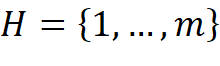 – множество
кластеров хранения как доступные локации размещения запасов, где
– множество
кластеров хранения как доступные локации размещения запасов, где  – их число, а
  – индекс
кластера хранения;
– индекс
кластера хранения;  – множество
кластеров спроса как агрегированные территории спроса, где
– множество
кластеров спроса как агрегированные территории спроса, где  – их число,
  – индекс
кластера спроса.
– индекс
кластера спроса.
Нормативы сервиса задаются матрицей  , где
, где  – нормативный (предельный)
срок доставки, измеряемый в часах, из кластера хранения
– нормативный (предельный)
срок доставки, измеряемый в часах, из кластера хранения  в кластер спроса
  .
.
Решение продавца описывается бинарным выбором кластеров хранения по формуле:
 где
где 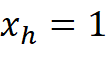 означает, что
кластер хранения активен, то есть
кластер используется для размещения запасов,
означает, что
кластер хранения активен, то есть
кластер используется для размещения запасов, 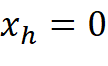 – не
используется. Множество активных кластеров:
– не
используется. Множество активных кластеров:

Ограничение реализуемости исключает нулевую конфигурацию:

Для каждого кластера спроса срок доставки определяется
минимальным значением срока доставки, что соответствует логике маркетплейса при
наличии товара в нескольких кластерах хранения. Поэтому срок доставки в кластер
спроса при конфигурации  задается минимумом
нормативов среди активных кластеров хранения:
задается минимумом
нормативов среди активных кластеров хранения:

Если минимум достигается в нескольких кластерах, при расчете
 достаточно значения
минимального срока. Выбор обслуживающего кластера при равенстве минимумов задается
и далее используется при расчете затрат.
достаточно значения
минимального срока. Выбор обслуживающего кластера при равенстве минимумов задается
и далее используется при расчете затрат.
Чтобы сравнивать альтернативные конфигурации, вводятся агрегаты. Размер конфигурации как число активных кластеров хранения:

Сервисная карта по всем кластерам спроса:
 Средневзвешенный
срок доставки по весам
Средневзвешенный
срок доставки по весам  , например, весам
кластеров спроса:
, например, весам
кластеров спроса:
 Доля спроса,
попадающая в целевое окно
Доля спроса,
попадающая в целевое окно  , например, 48 часов:

Прогнозирование спроса при изменении сроков доставки
Данные о спросе на маркетплейсе наблюдаются в дискретных
окнах доставки (уровнях логистического сервиса), например, 24/48/72 часа.
Поэтому перенос прогноза спроса между конфигурациями без корректировки приводит
к методической ошибке – меняется карта сроков доставки  , а вместе с ней
меняется и доступный (реализуемый) спрос.
, а вместе с ней
меняется и доступный (реализуемый) спрос.
Пусть  –
сценарное окно доставки в часах, например,
–
сценарное окно доставки в часах, например, 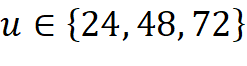 , а
, а  – базовое
(минимальное) окно доставки, например, 24 часа.
– базовое
(минимальное) окно доставки, например, 24 часа.
Обозначим  – эмпирическое
число заказов в штуках для референтной группы товаров в кластере спроса при окне . Для
рассматриваемого товара известны фактические продажи
– эмпирическое
число заказов в штуках для референтной группы товаров в кластере спроса при окне . Для
рассматриваемого товара известны фактические продажи  на периоде
наблюдения и фактическая конфигурация хранения
на периоде
наблюдения и фактическая конфигурация хранения  . Для перехода от
непрерывного срока к
интервалам вводится оператор приведения к допустимому окну
. Для перехода от
непрерывного срока к
интервалам вводится оператор приведения к допустимому окну  :
:
 В базовой версии
используется округление вверх до ближайшего окна, что исключает переоценку
уровня сервиса при пересчете спроса.
В базовой версии
используется округление вверх до ближайшего окна, что исключает переоценку
уровня сервиса при пересчете спроса.
Чтобы адаптировать референтную зависимость к
рассматриваемому товару, вводится коэффициент масштабирования  . Он выбирается так,
чтобы прогноз по базовой конфигурации воспроизвел фактические продажи.
. Он выбирается так,
чтобы прогноз по базовой конфигурации воспроизвел фактические продажи.
Сначала рассчитываются  по (4) и (9), затем
определяется коэффициент масштабирования
по (4) и (9), затем
определяется коэффициент масштабирования  :
:

Прогноз спроса (продаж) в кластере спроса при конфигурации определяется
масштабированием референтного спроса по приведенному окну доставки:

Суммарный прогноз рассчитывается по формуле:

Для сценарных сравнений дополнительно фиксируется прогноз
при заданном окне :
 что позволяет
оценивать упущенный спрос относительно базового окна:
что позволяет
оценивать упущенный спрос относительно базового окна:

Оптимизационная модель выбора конфигурации складской сети
Экономические условия маркетплейса зависят от уровня логистического сервиса: комиссии и логистические коэффициенты задаются таблично в зависимости от агрегированной метрики сроков доставки. В модели учитываются прогноз спроса, возвраты и пополнение, а также компоненты затрат.
Пусть  – доля
возвратов заказов в кластере спроса ,
– доля
возвратов заказов в кластере спроса ,  – доля
возвратов, пригодных к повторной продаже. Тогда ожидаемое число возвратов
(шт.):
– доля
возвратов, пригодных к повторной продаже. Тогда ожидаемое число возвратов
(шт.):
 а списание, то есть
возвраты, непригодные к перепродаже:
а списание, то есть
возвраты, непригодные к перепродаже:

Для применения табличных условий уровня логистического сервиса вводится средний срок доставки, взвешенный прогнозируемыми продажами:

По  выбираются параметры
табличного правила маркетплейса, такие как дополнительная комиссия
выбираются параметры
табличного правила маркетплейса, такие как дополнительная комиссия 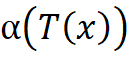 и повышающий
коэффициент логистического тарифа
и повышающий
коэффициент логистического тарифа 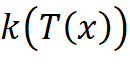 .
.
Для расчета логистических затрат необходимо знать, какой
кластер хранения фактически обслуживает каждый кластер спроса. Обслуживающий
кластер  определяется как
кластер хранения, обеспечивающий минимальный нормативный срок доставки. При
равенстве минимумов применяется вторичный критерий по тарифу пополнения:
определяется как
кластер хранения, обеспечивающий минимальный нормативный срок доставки. При
равенстве минимумов применяется вторичный критерий по тарифу пополнения:
 где
где  – тариф
кросс-докинга, то есть перемещения партии со склада продавца в кластер хранения
без длительного
хранения на промежуточном этапе.
– тариф
кросс-докинга, то есть перемещения партии со склада продавца в кластер хранения
без длительного
хранения на промежуточном этапе.
Пусть  –
цена продажи в руб./шт.,
–
цена продажи в руб./шт.,  –
себестоимость в руб./шт. Тогда выручка по выполненным заказам за вычетом
возвратов:
–
себестоимость в руб./шт. Тогда выручка по выполненным заказам за вычетом
возвратов:
 себестоимость
реализованного товара:
себестоимость
реализованного товара:
 потери от списаний
возвратов:
потери от списаний
возвратов:

Комиссия маркетплейса определяется как доля от выручки:

Пусть  – базовый тариф
прямой доставки в руб./шт. из кластера хранения в кластер спроса , а
– базовый тариф
прямой доставки в руб./шт. из кластера хранения в кластер спроса , а 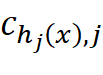 – тариф,
соответствующий матрице при выборе
– тариф,
соответствующий матрице при выборе 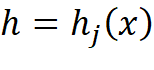 . Тогда затраты на
прямую доставку по всем отгрузкам:
. Тогда затраты на
прямую доставку по всем отгрузкам:

Пусть  – тариф
обратной доставки возврата в руб./возврат,
– тариф
обратной доставки возврата в руб./возврат,  – затраты на
обработку возврата в кластере хранения руб./возврат, а
– затраты на
обработку возврата в кластере хранения руб./возврат, а  и
и  – тарифы в
обслуживающем кластере . Тогда затраты на обратную
логистику:
– тарифы в
обслуживающем кластере . Тогда затраты на обратную
логистику:

Пополнение учитывает, что часть возвратов возвращается в
оборот и снижает потребность в новых поставках. Для каждого кластера хранения введем исходящий
поток:

и восстановленный возвратный поток, возвращаемый в продажу:

Тогда потребность в пополнении:
 а затраты на
пополнение:
а затраты на
пополнение:

Итоговая маржинальная прибыль рассчитывается по формуле:


Задача продавца формулируется как дискретная оптимизация по
бинарному вектору :

Базовый способ получения решения – полный перебор
допустимых конфигураций с последовательным расчетом карты сроков доставки  , прогноза
 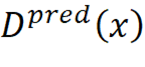 , табличных
параметров , и маржинальной
прибыли
, табличных
параметров , и маржинальной
прибыли  . Для сокращения
пространства поиска используются: предварительный список кандидатов
. Для сокращения
пространства поиска используются: предварительный список кандидатов  ; ограничения на
число активных кластеров
; ограничения на
число активных кластеров  , где
, где  и
и  – минимальное и
максимальное количество кластеров хранения соответственно; локальные эвристики
включения и исключения кластеров при улучшении . Эти приемы
сохраняют структуру расчетов и уменьшают число рассматриваемых конфигураций.
– минимальное и
максимальное количество кластеров хранения соответственно; локальные эвристики
включения и исключения кластеров при улучшении . Эти приемы
сохраняют структуру расчетов и уменьшают число рассматриваемых конфигураций.
Заключение
Разработана математическая модель поиска оптимальной конфигурации промежуточных складов в виде бинарного вектора выбора (активации) кластеров хранения, в соответствии с которым устанавливаются направления перевозок товаров от продавца на склады (кластеры) промежуточного хранения маркетплейса, а также варианты их последующего распределения к покупателям.
Ограничения предложенного подхода связаны с качеством
входных эмпирических данных , устойчивостью
калибровки  при структурных
сдвигах спроса и необходимостью учитывать внешние ограничения доступности
складов маркетплейса, такие как квоты на приемку, ограничения по товару. Эти
ограничения относятся к уровню данных и регламентов и не изменяют структуру
модели.
при структурных
сдвигах спроса и необходимостью учитывать внешние ограничения доступности
складов маркетплейса, такие как квоты на приемку, ограничения по товару. Эти
ограничения относятся к уровню данных и регламентов и не изменяют структуру
модели.
Полученные результаты рекомендуется применять для формирования конфигурации складской сети маркетплейса (размещения запасов в кластерах хранения), а также для дальнейшего детального планирования поставок в логике интегрированного подхода.
Источники:
2. Караваева Е.Д. Планирование логистических затрат при реализации товаров через маркетплейс // Креативная экономика. – 2020. – № 4. – c. 587-598. – doi: 10.18334/ce.14.4.100799.
3. Ларин О.Н., Ивуть Р.Б., Капский П.Д. Цифровая трансформация транспортно-логистической деятельности // Логистика. – 2024. – № 4(209). – c. 26-30.
4. Ларин О.Н., Сергеев С.А. Эвристические методы планирования поставок через маркетплейсы // Экономика, предпринимательство и право. – 2025. – № 2. – c. 793-812. – doi: 10.18334/epp.15.2.122638.
5. Селявский Ю.В., Дедов Е.Г., Курганова Н.Ю. Организация поставок товаров на склады маркетплейсов: к вопросу о разработке алгоритма подбора поставляемых товаров // Журнал монетарной экономики и менеджмента. – 2023. – № 3. – c. 8-16. – doi: 10.26118/2782-4586.2023.34.66.001.
6. Соколов Н.А. Особенности развития интернет-торговли в условиях цифровизации экономики // Журнал монетарной экономики и менеджмента. – 2024. – № 10. – c. 149-154. – doi: 10.26118/2782–4586.2024.19.40.092.
7. Торпищев Т.Р. Целевая модель зрелого маркетплейса как ядра цифровой экосистемы // Экономика и управление. – 2025. – № 10. – c. 1314-1328. – doi: 10.35854/1998-1627-2025-10-1314-1328.
8. Третьяков Д.А., Семенов В.А. Управление закупочной деятельностью в информационных системах класса ERP на основе интеграции с процессами электронной коммерции // Вестник Пермского национального исследовательского политехнического университета. Электротехника, информационные технологии, системы управления. – 2023. – № 48. – c. 153-174. – doi: 10.15593/2224–9397/2023.4.07.
9. Уварова Л.А., Иванов Д.Ю. Моделирование процессов сбыта в системе «производитель - маркетплейс» // Вестник Пермского университета. Серия: Экономика. – 2024. – № 3. – c. 284-299. – doi: 10.17072/1994-9960-2024-3-284-299.
10. Хромова И.Н., Марьяненко А.С., Савинская Н.А. Развитие электронной коммерции в условиях цифровизации // Вестник Академии знаний. – 2024. – № 2(61). – c. 764-768.
11. Chowdhury A.R., Paul R., Rozony F.Z. A systematic review of demand forecasting models for retail e-commerce enhancing accuracy in inventory and delivery planning // International Journal of Scientific Interdisciplinary Research. – 2025. – № 1. – p. 01-2. – doi: 10.63125/mbbfw637.
12. Correia I., Melo T. Multi-period capacitated facility location under delayed demand satisfaction // European Journal of Operational Research. – 2016. – № 3. – p. 729-746. – doi: 10.1016/j.ejor.2016.06.039.
13. Das D., Kumar R., Rajak M.K. Designing a Reverse Logistics Network for an E-Commerce Firm: A Case Study // Operations and Supply Chain Management. – 2020. – p. 48-63. – doi: 10.31387/oscm0400252.
14. Domínguez-Bravo C.A., Fernández E., Lüer-Villagra A. Hub location with congestion and time-sensitive demand // European Journal of Operational Research. – 2024. – № 3. – p. 828-844. – doi: 10.1016/j.ejor.2024.03.007.
15. Harter A., Stich L., Spann M. The Effect of Delivery Time on Repurchase Behavior in Quick Commerce // Journal of Service Research. – 2024. – doi: 10.1177/10946705241236961.
16. Lei M., Li S., Yu S. Demand Forecasting Approaches Based on Associated Relationships for Multiple Products // Entropy. – 2019. – № 10. – p. 974. – doi: 10.3390/e21100974.
17. Li H., Xu W., Yang K. The optimal delivery time and order quantity in an oligopoly market with time-sensitive customers // PLoS ONE. – 2019. – № 12. – p. e0225436. – doi: 10.1371/journal.pone.0225436.
18. Li X., Zheng Y., Zhou Z., Zheng Z. Demand Prediction, Predictive Shipping, and Product Allocation for Large-Scale E-Commerce. SSRN. [Электронный ресурс]. URL: https://ssrn.com/abstract=3277125 (дата обращения: 26.01.2026).
19. Lin Yu.H., Wang Yu., Lee L.H., Chew Ek.P. Omnichannel facility location and fulfillment optimization // Transportation Research Part B: Methodological. – 2022. – p. 187-209. – doi: 10.1016/j.trb.2022.07.005.
20. Ray S., Jewkes E.M. Customer lead time management when both demand and price are lead time sensitive // European Journal of Operational Research. – 2004. – № 3. – p. 769-781. – doi: 10.1016/S0377-2217(02)00655-0.
21. Shen Z.-J.M. A profit-maximizing supply chain network design model with demand choice flexibility // Operations Research Letters. – 2006. – № 6. – p. 673-682. – doi: 10.1016/j.orl.2005.10.006.
22. Sun L., Lyu G., Yu Yu., Teo Ch.P. Fulfillment by Amazon versus fulfillment by seller: An interpretable risk-adjusted fulfillment model // Naval Research Logistics. – 2020. – № 8. – p. 627-645. – doi: 10.1002/nav.21897.
23. Winkelmann D., Ulrich M., Römer M., Langrock R., Jahnke H. Dynamic Stochastic Inventory Management in E-Grocery Retailing. Arxiv.org. [Электронный ресурс]. URL: https://arxiv.org/abs/2205.06572 (дата обращения: 26.01.2026).
Страница обновлена: 10.10.2026 в 14:37:50
Download PDF | Downloads: 33
Optimal planning for the supply of goods through marketplaces
Larin O.N., Sergeev S.A.Journal paper
Journal of Economics, Entrepreneurship and Law
Volume 16, Number 3 (March 2026)
Abstract:
The article presents a method for optimal supply planning through a network of marketplace warehouses, taking into account the requirements for the level of logistics service (delivery time). The marketplace supply chain model consists of the seller's "local warehouse", the marketplace's "intermediate storage clusters" (dispersed warehouses) used to distribute goods across "demand clusters" (service areas including pick-up points, warehouses, etc.), where they are transferred to the buyer. The selected warehouse configuration for the distribution of goods determines the length of the order execution periods, on the value of which the volume of demand and the cost of marketplace services depend. The task of optimal supply planning is to select a set of warehouses in storage clusters, using which the seller gets the maximum economic effect from the sale of goods, taking into account the costs of logistics services of the marketplace.
the article provides a mathematical model for finding the optimal configuration of intermediate warehouses in the form of a binary vector for selecting (activating) intermediate warehouses, according to which the directions of transportation of goods from the seller to the intermediate warehouses of the marketplace are determined, and options for their subsequent distribution to buyers are chosen.
Keywords: supply chain, marketplace, warehouse network configuration, delivery time, logistics service, optimal planning
JEL-classification: C53, C65, L80, L81
References:
Chowdhury A.R., Paul R., Rozony F.Z. (2025). A systematic review of demand forecasting models for retail e-commerce enhancing accuracy in inventory and delivery planning International Journal of Scientific Interdisciplinary Research. 6 (1). 01-2. doi: 10.63125/mbbfw637.
Correia I., Melo T. (2016). Multi-period capacitated facility location under delayed demand satisfaction European Journal of Operational Research. 255 (3). 729-746. doi: 10.1016/j.ejor.2016.06.039.
Das D., Kumar R., Rajak M.K. (2020). Designing a Reverse Logistics Network for an E-Commerce Firm: A Case Study Operations and Supply Chain Management. 48-63. doi: 10.31387/oscm0400252.
Domínguez-Bravo C.A., Fernández E., Lüer-Villagra A. (2024). Hub location with congestion and time-sensitive demand European Journal of Operational Research. 316 (3). 828-844. doi: 10.1016/j.ejor.2024.03.007.
Gusev D.O., Batischev A.V. (2024). Research of Trends in Trading Business Management on Russian Marketplaces (Ozon and Wildberries). Vestnik Akademii znaniy. (3(62)). 746-752.
Harter A., Stich L., Spann M. (2024). The Effect of Delivery Time on Repurchase Behavior in Quick Commerce Journal of Service Research. doi: 10.1177/10946705241236961.
Karavaeva E.D. (2020). Planning of logistics costs in sales of goods via the marketplace. Creative Economy. 14 (4). 587-598. doi: 10.18334/ce.14.4.100799.
Khromova I.N., Maryanenko A.S., Savinskaya N.A. (2024). Development of e-Commerce with Digitization. Vestnik Akademii znaniy. (2(61)). 764-768.
Larin O.N., Ivut R.B., Kapskiy P.D. (2024). Digital Transformation of Transport and Logistics Activities. Logistika. (4(209)). 26-30.
Larin O.N., Sergeev S.A. (2025). Heuristic methods of supply planning through marketplaces. Journal of Economics, Entrepreneurship and Law. 15 (2). 793-812. doi: 10.18334/epp.15.2.122638.
Lei M., Li S., Yu S. (2019). Demand Forecasting Approaches Based on Associated Relationships for Multiple Products Entropy. 21 (10). 974. doi: 10.3390/e21100974.
Li H., Xu W., Yang K. (2019). The optimal delivery time and order quantity in an oligopoly market with time-sensitive customers PLoS ONE. 14 (12). e0225436. doi: 10.1371/journal.pone.0225436.
Li X., Zheng Y., Zhou Z., Zheng Z. Demand Prediction, Predictive Shipping, and Product Allocation for Large-Scale E-CommerceSSRN. Retrieved January 26, 2026, from https://ssrn.com/abstract=3277125
Lin Yu.H., Wang Yu., Lee L.H., Chew Ek.P. (2022). Omnichannel facility location and fulfillment optimization Transportation Research Part B: Methodological. 163 187-209. doi: 10.1016/j.trb.2022.07.005.
Ray S., Jewkes E.M. (2004). Customer lead time management when both demand and price are lead time sensitive European Journal of Operational Research. 153 (3). 769-781. doi: 10.1016/S0377-2217(02)00655-0.
Selyavskiy Yu.V., Dedov E.G., Kurganova N.Yu. (2023). Organization of deliveries of goods to warehouses of marketplaces: on the issue of developing an algorithm for selecting the supplied goods. Zhurnal monetarnoy ekonomiki i menedzhmenta. (3). 8-16. doi: 10.26118/2782-4586.2023.34.66.001.
Shen Z.-J.M. (2006). A profit-maximizing supply chain network design model with demand choice flexibility Operations Research Letters. 34 (6). 673-682. doi: 10.1016/j.orl.2005.10.006.
Sokolov N.A. (2024). Features of the Development of Online Commerce in the Context of Digitalization of the Economy. Zhurnal monetarnoy ekonomiki i menedzhmenta. (10). 149-154. doi: 10.26118/2782–4586.2024.19.40.092.
Sun L., Lyu G., Yu Yu., Teo Ch.P. (2020). Fulfillment by Amazon versus fulfillment by seller: An interpretable risk-adjusted fulfillment model Naval Research Logistics. 67 (8). 627-645. doi: 10.1002/nav.21897.
Torpischev T.R. (2025). Target Model of a Mature Marketplace as the Core of a Digital Ecosystem. Ekonomika i upravlenie. 31 (10). 1314-1328. doi: 10.35854/1998-1627-2025-10-1314-1328.
Tretiakov D.A., Semenov V.A. (2023). Procurement Management in ERP Class Information Systems Based on Integration with e-Commerce Processes. Vestnik Permskogo natsionalnogo issledovatelskogo politekhnicheskogo universiteta. Elektrotekhnika, informatsionnye tekhnologii, sistemy upravleniya. (48). 153-174. doi: 10.15593/2224–9397/2023.4.07.
Uvarova L.A., Ivanov D.Yu. (2024). Modeling of Sales Processes in the Manufacturer-Marketplace System. Vestnik Permskogo universiteta. Seriya: Ekonomika. 19 (3). 284-299. doi: 10.17072/1994-9960-2024-3-284-299.
Winkelmann D., Ulrich M., Römer M., Langrock R., Jahnke H. Dynamic Stochastic Inventory Management in E-Grocery RetailingArxiv.org. Retrieved January 26, 2026, from https://arxiv.org/abs/2205.06572